In a world where efficiency and productivity reign supreme, even the most traditional industries are embracing innovation to streamline processes and enhance output. The rice milling sector, an age-old cornerstone of agricultural economies, is no exception. Enter the mini rice milling machine—a game-changer for small-scale producers seeking to maximize their yield while minimizing costs. This compact yet powerful technology not only simplifies the rice milling process but also unlocks a plethora of benefits that can considerably bolster small businesses and local communities alike.From boosting profitability to ensuring quality control, discover how this little powerhouse is redefining the landscape of rice production, one grain at a time.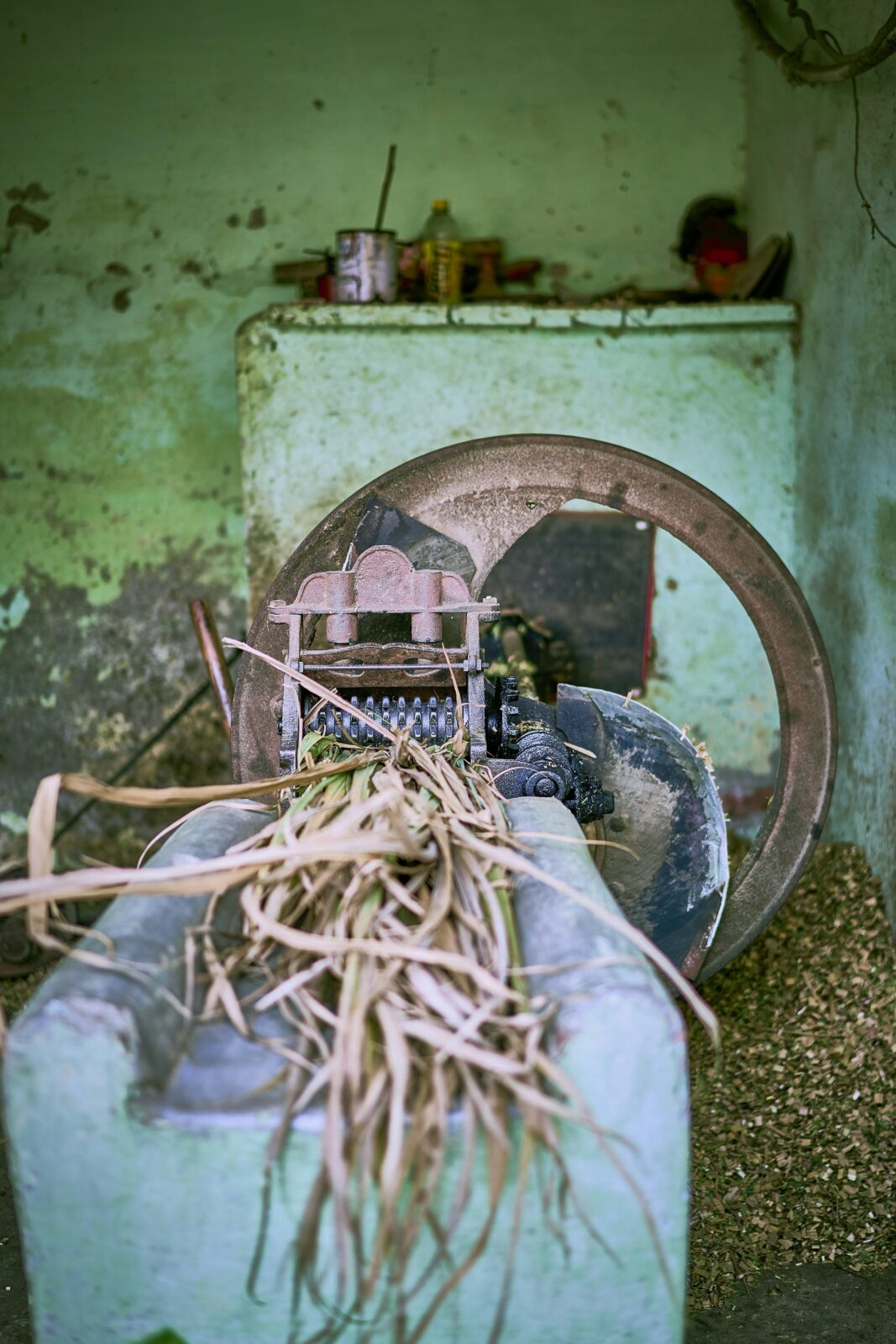
Exploring Mini Rice Milling Machines and Their Role in Small-Scale Production Efficiency
Mini rice milling machines are compact, efficient, and designed specifically for small-scale production, making them an invaluable asset for local farmers and small enterprises. These machines typically combine the processes of husking, milling, and polishing, resulting in high-quality rice output with minimal manual labor. the primary benefits include reduced operational costs, space-saving designs, and the ability to process small batches of rice quickly. Here are some key advantages of using mini rice milling machines:
- Cost-Effectiveness: The low initial investment and minimal maintenance costs make these machines accessible for small-scale operations.
- Enhanced Productivity: With a processing capacity that can range from 100 to 400 kg of rice per hour, mini rice mills significantly boost output.
- Quality Control: Operators can oversee the milling process closely, ensuring superior quality and consistency in the final product.
- Versatility: Compact designs allow easy relocation and adaptability to varying processing needs depending on demand.
However, small-scale rice mill operators must be aware of potential challenges, such as the limitations in processing capacity compared to larger industrial mills, wich can lead to longer wait times during peak demand. When comparing mini rice milling machines, consider factors like power consumption, build quality, and ease of operation. Recommended brands often include names like Satake and Husker, which are known for their reliability and efficient performance. Ultimately, selecting the right mini rice milling machine can significantly influence a small-scale producer’s ability to meet market demands while maintaining a profitable operation.

Transforming Grain into Gold: How Mini Rice Milling Machines Enhance Productivity
Mini rice milling machines have emerged as game-changers in small-scale rice production, providing farmers and entrepreneurs with an efficient way to process paddy into market-ready rice. These compact machines simplify the milling process, reducing labor costs and minimizing waste. With features such as husking, whitening, and polishing all integrated into one unit, mini rice milling machines enable producers to enhance their productivity significantly. Here are some key benefits of using these machines:
- Increased Efficiency: Mini rice milling machines operate at a fraction of the time traditional methods require, allowing for quicker turnarounds from paddy to rice.
- Energy Savings: These machines are designed to consume less power compared to larger models, making them cost-effective for smaller operations.
- Compact Design: Their small footprint makes them ideal for limited space, enabling easy installation in rural areas.
- Versatility: Many models can handle different varieties of rice and adjustable settings for various milling processes.
While the benefits are significant, small-scale producers may also face challenges when integrating these machines into their operations. Selection criteria are critical to ensure that the chosen machine fulfills the specific needs of the business. It’s essential to compare different models based on
- Processing capacity (kg/hour)
- Durability and material quality
- Maintenance needs and support available
- Cost-efficiency in terms of output versus operational costs
For those exploring options, it’s advisable to try models from reputable manufacturers known for reliability and customer service. Investing in a quality mini rice milling machine can not only optimize the milling process but ultimately transform raw grain into commercial gold.
Debunking Myths Around Mini Rice Milling Machines and Their True Potential
The world of mini rice milling machines is frequently enough clouded by misconceptions that can deter small-scale producers from exploring their full potential. One common myth is that mini rice milling machines lack efficiency compared to larger counterparts. In reality, advances in engineering have led to these compact solutions incorporating complex technology that facilitates high throughput rates, efficient separation of husk, bran, and white rice, and minimal grain damage. many models are designed to process several hundred kilograms of rice per hour, making them perfectly suitable for small-scale operations without sacrificing quality. Furthermore, the reduced footprint and lower energy consumption of these machines can translate into important cost savings for local producers, allowing them to operate at competitive prices in their markets.
Another prevalent misconception is that mini rice milling machines are only suitable for personal use or tiny batches. in truth, they are engineered to handle various production scales efficiently. For many entrepreneurs or small farmers, integrating a mini rice milling machine into their operations can enhance their value chain dramatically. By milling their own rice, producers can improve freshness and quality, differentiate their product, and save on outsourcing costs. When comparing the investment in these machines against traditional milling methods or larger models, the return on investment tends to be favorable. Key factors to consider include operational costs, maintenance requirements, and the versatility of the equipment. Small businesses can choose models designed for different grain types, ensuring that they are well-equipped to meet varying customer demands.
Essential Tips for Choosing the Right Mini Rice Milling Machine for Your Business Needs
when selecting a mini rice milling machine for your business, it’s essential to consider several factors that can enhance your operational efficiency.Start by evaluating the capacity of the machine, which is vital for ensuring it meets your production demands. Common capacities range from 200 kg to 800 kg per hour, so determine your output needs before making a decision. Additionally, check the types of milling configurations available, such as single pass or multi-pass systems. Single pass machines are typically faster but may require more post-processing, whereas multi-pass systems provide better quality but can slow down production. Don’t hesitate to ask suppliers for product demonstrations or customer reviews, which can provide insights into the real-world performance of these machines.
Another critical aspect to consider is energy efficiency and maintenance requirements. A machine that consumes less power can lead to significant savings in operational costs, especially in small-scale production setups where margins can be tight. look for models with easily accessible parts that simplify routine maintenance tasks, such as cleaning and replacing wear components. It’s also wise to compare the initial investment against the projected returns on your milling operation. Here’s a brief comparison table to help visualize key attributes:
| Feature | Single Pass | Multi Pass |
|---|---|---|
| Production Speed | Fast | Moderate |
| Milling Quality | Basic | High |
| Energy Consumption | Higher | Lower |
understanding your production requirements, reviewing different configurations, and considering operational costs will help you choose a mini rice milling machine that aligns perfectly with your business needs.
In Summary
the mini rice milling machine stands as a testament to the remarkable advancements in agricultural technology,offering small-scale producers a pathway to efficiency and quality. By integrating these compact and powerful machines into their operations, farmers can significantly enhance productivity, reduce labor costs, and improve the overall quality of their rice. As the demand for high-quality, locally produced rice continues to grow, investing in modern milling solutions becomes not just a choice, but a necessity.
Embracing this technology not only streamlines production processes but also empowers small-scale producers to compete in a bustling market. In an era where sustainability and efficiency are paramount, the mini rice milling machine emerges as a vital tool that connects traditional practices with modern innovation. So,whether you’re a farmer looking to optimize your output or an entrepreneur eager to make your mark in the rice industry,unlocking the potential of mini rice milling could be your key to a more productive and prosperous future.