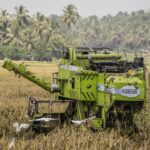
in the ever-evolving landscape of agriculture, small-scale farmers are continually seeking innovative solutions to enhance productivity and efficiency. Among the array of tools available, combine mini rice mills have emerged as a transformative asset in the pursuit of enduring farming practices. This complete guide delves into the myriad benefits and features of these compact yet powerful machines,illuminating how thay can revolutionize rice processing for smallholder farmers. By marrying tradition with technology, combine mini rice mills offer not just a means of processing, but also an possibility for farmers to reclaim control over thier harvests and maximize their profits.Join us as we explore the essential elements that make these mills an indispensable part of modern agronomy, highlighting their role in empowering communities and fostering economic resilience in the competitive world of agriculture.
Exploring the Advantages of Combine Mini Rice Mills for Small-Scale Farmers
Combine mini rice mills are an innovative solution tailored for small-scale farmers, offering numerous advantages over conventional milling methods. These compact machines have been designed to streamline the rice processing workflow,allowing farmers to efficiently convert paddy into market-ready rice.Key benefits include:
- Cost-Effectiveness: With lower initial investment and minimal operational costs, combine mini rice mills are ideal for small budgets, ensuring that smallholder farmers can enter or sustain their operations in the rice market.
- Space Efficiency: Their compact design requires less physical space, making them suitable for small farms and local communities where large milling facilities may not be feasible.
- Time Savings: The combine functionality reduces the need for multiple machines, speeding up the processing time from paddy to rice, which is crucial during harvest seasons.
- Improved Quality: These mills often incorporate advanced technology that enhances the quality of the rice produced, reducing breakage and ensuring higher market prices.
Moreover, combine mini rice mills address common challenges faced by small-scale farmers, such as limited access to milling facilities and the high costs associated with transportation to larger mills. These machines empower farmers to process their yields on-site, which not only mitigates logistical issues but also enhances the local economy by allowing farmers to engage in value-added activities.When comparing various models,farmers should consider factors like grinding efficiency,maintenance requirements,and power consumption. Many manufacturers offer insights and warranties on these machines, which can provide reassurance in making a purchase. For farmers looking to invest wisely, engaging with local agricultural cooperatives or extension services can also lead to beneficial recommendations on the best combine mini rice mill suited to their specific needs.
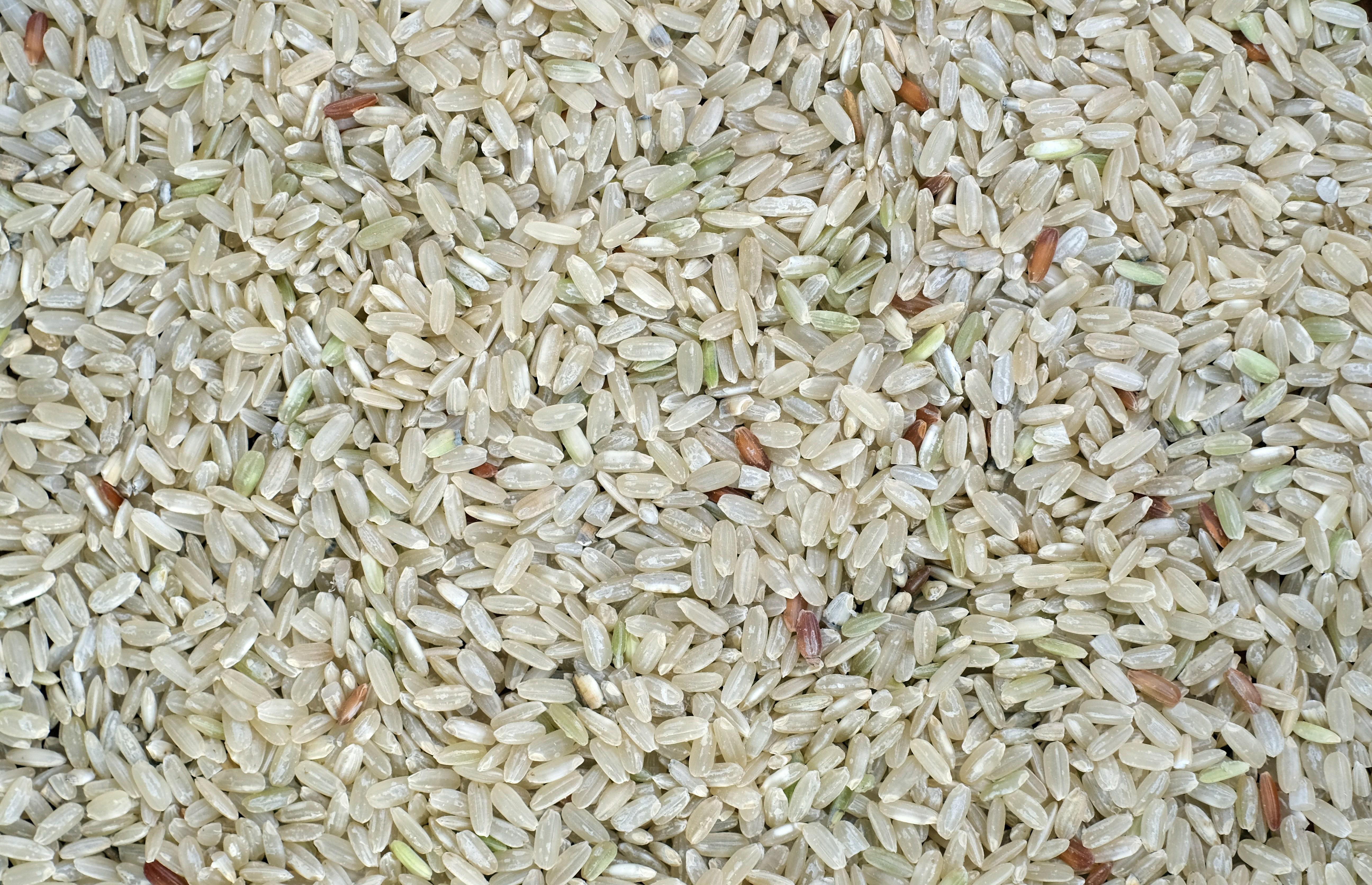
Navigating Common Misunderstandings About Mini Rice Mills in Agriculture
One common misunderstanding surrounding mini rice mills is their perceived inefficiency compared to larger,traditional milling systems. Many small-scale farmers assume that because miniature versions of machines are smaller and often more affordable, they can’t deliver the same quality output. However, mini rice mills are designed with advanced technology that allows them to process rice efficiently while maintaining high-quality results. Unlike older or larger models, modern mini rice mills frequently enough come equipped with features like automatic grading and polishing capabilities, ensuring that the rice produced meets market standards. Here’s a speedy comparison of features:
| Feature | Traditional Mill | mini rice mill |
|---|---|---|
| Size | Large, requires significant space | Compact, fits small-scale environments |
| Power consumption | High | Lower energy use |
| Processing Time | Longer | Faster due to efficient design |
| Cost | Higher initial investment | More affordable and accessible |
Another misconception is that mini rice mills are only suitable for small quantities of rice, leading some farmers to believe they won’t be profitable for larger operations. In reality, mini rice mills can adapt to varying scales of production while providing adaptability that traditional mills lack. They allow farmers to mill rice as needed, reducing wastage and ensuring freshness. Plus,by owning a mini rice mill,farmers have more control over their product quality and can create niche products,such as organic or specialty rices. This not only opens new market opportunities for farmers but can also lead to increased income through diversified offerings.
Key Features to consider when Choosing the Right Combine mini rice mill
When selecting the right combine mini rice mill, several key features should be considered to ensure optimal performance and productivity for small-scale farmers. one of the primary factors is the capacity of the mill, usually measured in tons per hour. Depending on your farming scale,it’s crucial to choose a model that can process your harvest efficiently without causing delays. Additionally, look for mills equipped with multi-functionality. Many modern mini rice mills not only husk rice but also polish and separate grains, which can save time and increase overall yield quality. Moreover, consider the design and build quality of the machine. Sturdy construction will ensure longevity and reliability, making it a worthwhile investment.
another essential aspect is energy consumption. A rice mill that is energy-efficient can substantially reduce operational costs, especially over time. Pay attention to the ease of maintenance and availability of spare parts. A machine that is difficult to maintain or whose parts are hard to find can lead to prolonged downtimes and increased costs. Check for user reviews and testimonials for firsthand insights into performance and reliability. Compare brands and their features, and create a short evaluation table to help in decision-making:
| Feature | Brand A | Brand B | Brand C |
|---|---|---|---|
| Capacity (Tons/Hour) | 1.5 | 2.0 | 1.8 |
| Energy consumption (Kw) | 3.5 | 4.0 | 3.8 |
| User Rating | 4.5/5 | 4.8/5 | 4.2/5 |
Ultimately, selecting the right combine mini rice mill hinges on assessing these critical features that align with your farming needs.
A Comparative Analysis of Mini rice Mills and Traditional Milling Techniques
Mini rice mills have emerged as a significant advancement over traditional milling techniques,particularly for small-scale farmers seeking efficiency and cost-effectiveness. Traditional milling often involves the labor-intensive process of hand-pounding rice, which can lead to lower yields and higher waste.In contrast, mini rice mills offer automated processes that reduce manual labor, resulting in a higher recovery rate of rice grains. These mills typically use modern technology to ensure a consistent quality of rice, thereby enhancing marketability.Moreover, compact designs make mini rice mills easier to transport and operate, even in rural settings where space is limited.
When comparing mini rice mills and traditional methods, several factors come into play:
- Efficiency: Mini rice mills can process up to 500 kg of paddy rice per hour, whereas traditional methods may take several hours for a significantly lower amount.
- Quality: The automated milling process reduces the likelihood of broken grains,ensuring better quality product.
- Cost: Even though the initial investment in a mini rice mill is higher than traditional tools, the long-term savings on labor and improved yields frequently enough justify the cost.
- Environmental Impact: Modern mini mills are designed with energy efficiency in mind, leading to less waste and a reduced carbon footprint compared to traditional stone milling methods.
Small-scale farmers should assess their specific needs when deciding between these two milling options. For those prioritizing efficiency and higher quality, mini rice mills present a compelling alternative to traditional techniques. However, understanding local conditions and available resources is crucial for making the right choice.
Concluding Remarks
the world of combine mini rice mills represents a significant leap forward for small-scale farmers, offering a blend of efficiency, sustainability, and versatility that can transform rice cultivation. As we’ve explored throughout this guide, the benefits of these innovative machines extend far beyond mere grain processing; they empower farmers to take control of their production, reduce waste, and ultimately enhance their livelihoods. By understanding the features that make these mills stand out, from their compact design to their energy efficiency, farmers can make informed decisions that align with their unique needs and resources.
As the agricultural landscape continues to evolve, embracing technology such as combine mini rice mills not only positions small-scale farmers for success but also contributes to the broader goal of food security. With this newfound knowledge at your fingertips,you are better equipped to explore these options,adapt to changing market demands,and elevate your farming practices.
So,whether you’re looking to increase your yield,minimize labor costs,or simply modernize your operation,the journey towards harnessing the benefits of combine mini rice mills is an exciting one. Embrace the possibilities, and let innovation pave your way towards a more prosperous farming future.Happy milling!