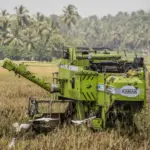
In the serene landscapes of rural farmland, the rhythmic rustle of swaying rice plants signifies not just the toil of nature, but the heartbeat of an age-old tradition. Rice has long been a staple food, a cherished symbol of sustenance and culture, sustaining billions across the globe. yet, as the world grapples with the challenges of climate change, population growth, and evolving agricultural practices, the stage is set for a revolution in rice production. Enter the realm of innovative rice processing machines—game-changers that promise to redefine agricultural paradigms while concurrently challenging long-standing traditions.This article, ”Beyond the Grain,” delves into the transformative impact of these cutting-edge technologies, exploring how they streamline production, enhance efficiency, and respond to the pressing needs of modern farming, all while navigating the delicate balance between innovation and heritage. Join us as we uncover the interesting intersection of tradition and technology in the world of rice agriculture.
Revolutionizing Rice: Evaluating the Benefits and Unintended Consequences of Modern Processing Technologies
Modern rice processing technologies promise a leap forward in efficiency,yield,and quality,but they also introduce a spectrum of unintended consequences that merit careful consideration. increased mechanization, while streamlining production and reducing labor costs, leads to the potential marginalization of smallholder farmers who may lack access to these advanced tools. moreover, the reliance on sophisticated machinery, such as automated hullers and polishers, can result in a homogenization of rice varieties, diminishing biodiversity and the rich cultural heritage tied to traditional rice cultivars. This shift challenges the assumption that all forms of innovation yield universally positive outcomes; the ecological and cultural impacts can be insidious and must be weighed against the economic benefits.
Crucially, the modern processing landscape presents trade-offs for farmers and consumers alike. Enhanced technologies frequently enough lead to faster processing times and improved grain quality, yet they can strip rice of essential nutrients when overly polished. A prudent approach is to balance technological advancement with enduring practices that preserve the nutritional profile of rice. For instance, investing in machines that offer precision milling could optimize grain quality while retaining nutrient density—something traditional methods may inadvertently preserve. Stakeholders should focus on crafting policies that encourage smallholder participation in the technological transition, such as subsidies for less affluent farmers to access modern tools and training programs that highlight best practices. By fostering an inclusive habitat, the evolution of rice processing can align economic objectives with cultural preservation and agricultural sustainability.

Challenging Tradition: The Hidden Costs of Embracing Advanced Rice Machinery in Sustainable Agriculture
Embracing advanced rice machinery may seem like a straightforward path towards enhancing productivity and efficiency, yet it often conceals significant hidden costs that challenge traditional practices.While mechanization can streamline processes—from planting to harvesting—this shift may inadvertently marginalize the very farmers it aims to assist. Consider the implications:
- Capital Investment: High upfront costs associated with purchasing advanced equipment can strain the financial resources of smallholder farmers, limiting their capability to invest in other critical areas like seeds or fertilizers.
- Skill Gaps: Operating sophisticated machinery requires training and expertise that many farmers currently lack,potentially leading to increased dependency on external operators or consultants.
- Environmental Impact: Although machinery can optimize yields, the long-term environmental costs—such as soil degradation and water over-extraction—may outweigh initial benefits, especially if farmers neglect sustainable practices.
Moreover, the adoption of advanced machinery often brings about social ramifications that can destabilize traditional agricultural practices. As an example, the transition from communal farming methods to individual mechanized operations can erode the social fabric of rural communities, where collaborative labor has historically fostered resilience and support networks. It’s crucial to weigh the trade-offs carefully and adopt a nuanced approach:
| Pros of Mechanization | Cons of Mechanization |
|---|---|
| increased efficiency | Financial Strain on Farmers |
| Higher Yields | Skill Gaps and Dependency |
| Labor Shortages Mitigation | Potential environmental Harm |
To navigate these complexities, stakeholders—policymakers, NGOs, and agricultural leaders—must tread carefully. It’s not enough to simply advocate for mechanization; fostering education and training programs that empower farmers to make informed decisions is essential. Furthermore, creating systems that integrate traditional knowledge with modern technology can help maintain the local culture and resilience while optimizing yield. In delving deeper into these hidden costs, we uncover not only the potential drawbacks of abandoning traditions but also the pathways to innovate in a balanced and sustainable manner.
Beyond Efficiency: Rethinking the Value of Heritage Practices in the Age of Next-Gen Rice Processing
As we embrace the efficiency brought about by next-generation rice processing technologies, it is indeed imperative to reassess the role and value of traditional heritage practices. Often overshadowed by the allure of modernization,these time-honored methods encompass not just skill but a wealth of cultural knowledge that can enrich agricultural sustainability. Key distinctions must be made between mere productivity gains and the broader implications for community cohesion, biodiversity, and food security. For example:
- Cultural Identity: Traditional practices imbue a sense of cultural heritage that modern technology may overlook, forging stronger community bonds.
- Biodiversity: many heritage practices promote the cultivation of diverse rice varieties, enhancing resilience to pests and climate change.
- Environmental Sustainability: Techniques such as hand harvesting or organic growing methods often have a lower ecological impact compared to industrial methods.
However, the integration of next-gen processing technologies should not be viewed merely as a replacement for heritage practices but rather as a complement that can enhance their viability. Striking a balance requires nuanced recommendations for farmers and practitioners. As an example, offering workshops where modern and traditional techniques are merged could leverage the strengths of both approaches. trade-offs** are inherent in this discussion; adopting new technologies can lead to increased efficiency and lower costs but may risk displacing local knowledge and practices. Thoughtful policies that incentivize the preservation of heritage practices while simultaneously embracing innovation can foster a more resilient agricultural framework that pays homage to the past while preparing for the future.
Innovation vs. Tradition: Navigating the Trade-offs Between Technological Advances and Cultural Heritage in Rice Cultivation
The rapid integration of innovative rice processing technologies has undoubtedly transformed agricultural practices, yet this progress often comes at the expense of cultural heritage. Traditional rice cultivation is steeped in generational knowledge, encompassing specific practices that not only enhance the quality of the grain but also reflect the identity and history of communities. The challenge lies in balancing these age-old methods with the demands of modern efficiency and production. While some argue that technological advances increase yields and reduce labor, they can inadvertently erode the cultural significance of rice farming, as seen in various regions where mechanization replaces collective harvesting rituals and local biodiversity. As we navigate this landscape, it is crucial to recognize that innovation should not be an outright replacement but rather an adaptation strategy that respects and integrates traditional values.
- Emphasizing the value of hybrid approaches: Combining high-tech machines with traditional techniques can yield better results, such as using modern seeding equipment that minimizes soil disruption while preserving crop diversity.
- encouraging local engagement: Involving the community in the decision-making process regarding technology adoption fosters a sense of ownership and preserves cultural practices.
- Investing in education: Training initiatives that help farmers learn how to use new tools while maintaining traditional methods can bridge the gap between old and new.
Moreover,it is essential to scrutinize the pervasive assumption that technological innovations are inherently beneficial without considering their socio-economic ramifications. As a notable example, smallholder farmers may find themselves in a precarious position—either squeezed out by larger agribusinesses adopting cutting-edge technologies or enticed into debt through the purchase of expensive machinery. The long-term sustainability of rice farming hinges on recognizing the multifaceted trade-offs of innovation.A nuanced stance advocates for policies that support small farmers in adopting technology in a way that complements rather than undermines their traditional practices. This dual path not only conserves cultural heritage but also positions communities to flourish in an increasingly competitive global market.
To Wrap It up
As we stand at the crossroads of tradition and innovation, the journey of rice processing machines is not merely a tale of technological advancement; it is a reflection of our evolving relationship with agriculture. From the golden fields swaying in the breeze to the bustling processing facilities that now harness cutting-edge technology, we see a future ripe with possibilities. These machines are not only transforming how we cultivate and process rice but are also reshaping the very landscape of farming practices.
As we embrace the efficiencies and capabilities offered by these new technologies, it is essential to remember the rich tapestry of traditional methods that have fed generations. The challenge lies in finding a balance—one that honors the wisdom of the past while welcoming the promise of the future.
In this ever-evolving arena, the story of rice processing machines serves as a reminder: innovation, when harmoniously integrated with heritage, can lead to sustainable practices that enrich both our soils and our communities. As we continue to explore the possibilities of agricultural technology, we invite you to join us on this journey of revelation and transformation, ensuring that each grain of rice tells a story of resilience and progress.