Introduction
In the intricate world of maize milling, the journey from kernel to flour is not merely a linear process; it is indeed a symphony of technology, precision, and strategic decision-making. As maize remains a cornerstone crop globally, the efficiency of its milling processes bears significant implications for food production, economic stability, and culinary innovation. this article delves deep into the technical analysis of maize milling processes, unraveling the performance metrics that define productivity and quality. We will explore the specifications of the essential equipment that drives these processes,while also considering the myriad of decision factors that influence optimal production outcomes. By synthesizing these elements, we aim to provide both industry experts and emerging producers with a extensive understanding of how modern maize milling can be optimized to meet the demands of an ever-evolving market landscape. Join us as we dissect the art and science of milling maize, where every turn of the machine holds the potential for innovation and excellence.
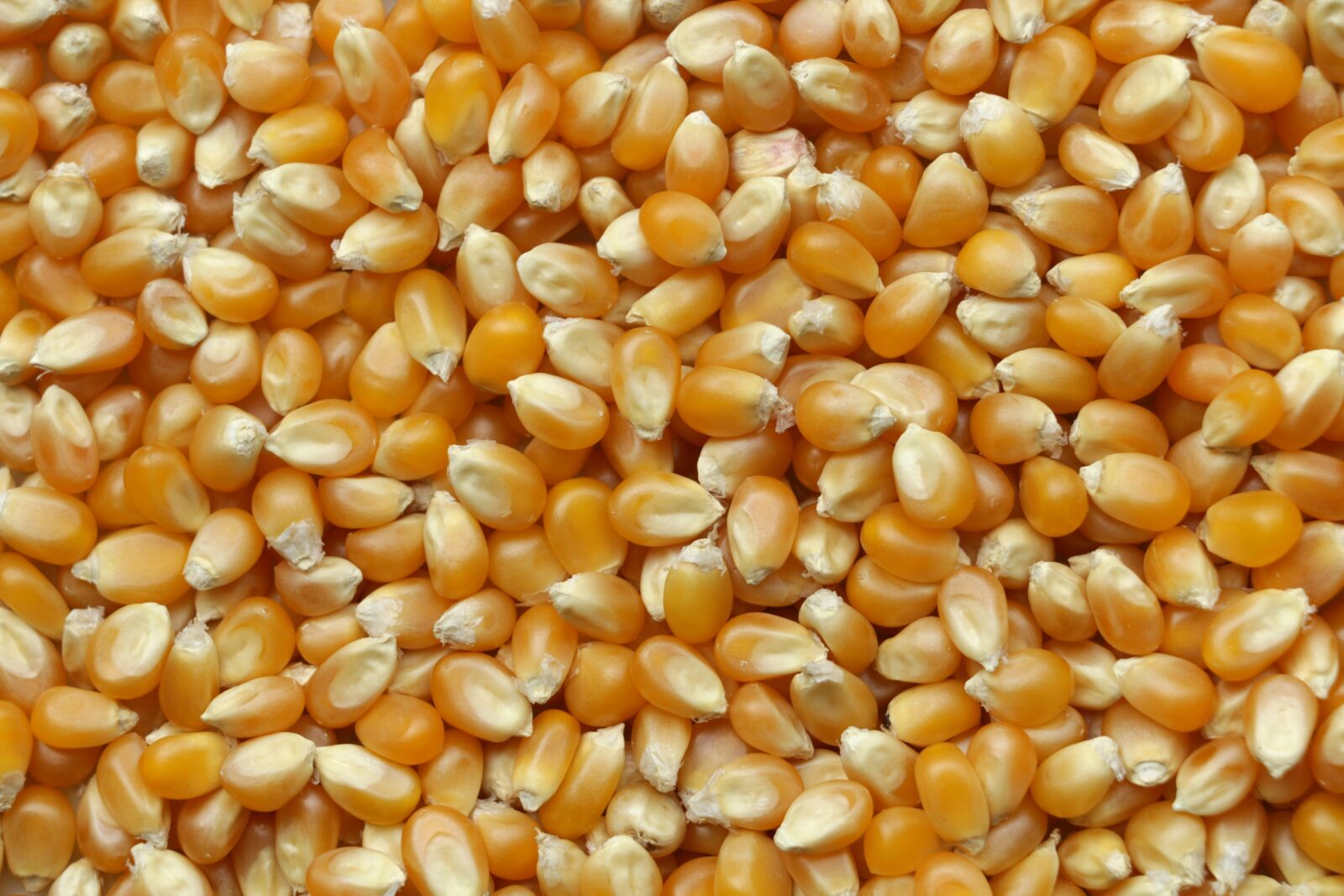
Evaluating the Mechanical Dynamics of Maize Milling for Enhanced Yield Efficiency
The mechanical dynamics of maize milling are critical for optimizing yield efficiency, especially as the industry faces increasing demand and competition. When evaluating these dynamics, several factors come into play, including the choice of milling equipment, the mechanics of the milling process, and the physical characteristics of maize itself.Key performance metrics include:
- Energy Consumption: The energy required per kilogram of maize milled influences operational costs. energy-efficient mills can reduce overhead while maintaining output quality.
- Throughput rates: This measures the volume of maize processed in a given timeframe. Higher throughput rates suggest better machinery performance, allowing for increased production without the need for additional resources.
- Particle Size Distribution: Uniformity in particle size directly impacts the quality of the flour produced. Mills may be evaluated on their ability to achieve specific distributions within defined limits.
| Criteria | Specifications |
|---|---|
| Impact Force | Measured in Newtons, high impact forces indicate effective grinding. |
| Moisture Content | Optimal moisture levels range from 14% to 16%; higher levels can lead to clogging or poor milling outcomes. |
Understanding the mechanics of milling involves examining the action of shear, compression, and impact forces as they work on maize kernels. For instance, hammer mills utilize high-speed rotating hammers to apply intense force, while roller mills employ controlled pressure to flatten and grind the grain, often providing better particle size control.However, this might come with trade-offs in terms of maintenance and operational costs. Limitations in mechanical dynamics can stem from machine wear, which can alter performance and efficiency over time. Aspects such as vibration, noise, and heat generation during milling also need to be monitored, as they can affect both product quality and equipment lifespan. Balancing these factors is crucial for achieving optimal yield efficiency, with regular maintenance and performance testing being essential components of a accomplished milling operation.

Material characteristics and Their Impact on Milling Performance Outcomes
Understanding the material characteristics of maize is crucial for optimizing milling performance. Key attributes include moisture content, kernel hardness, and the degree of tempering. The moisture content typically ranges from 13% to 15% for optimal milling, as excess moisture can lead to spoilage and affect milling yields. Similarly, the hardness of the kernels influences the energy required during grinding; harder kernels necessitate more mechanical energy, possibly impacting throughput and wear rates on equipment. Kernels with an optimal tempering moisture level (around 18% to 22%) can improve the milling process by softening the outer layer and allowing for more uniform grinding, while over-tempering can lead to excessive starch gelatinization and clumping within the milling equipment.
in comparing different maize varieties, flint corn exhibits superior hardness and is ideal for producing coarse grits, while dent corn, which is softer, is suited for fine flour production. The milling performance can also be affected by the size distribution of the feed material; coarser grits may not pass through the milling equipment as efficiently as finely ground materials. Additionally, the grinding mechanism—whether hammer or roller mill—plays a significant role; for instance, roller mills provide a more refined particle size distribution and lower levels of flour fines compared to hammer mills. It’s essential to consider the energy consumption per unit of output; machinery specifications such as horsepower ratings and throughput capacities should align with the physical characteristics of the maize being processed to maximize efficiency while minimizing waste and maintenance costs. Below is a summary table of the milling performance standards by maize type:
| Maize Type | Hardness | Recommended Moisture Content (%) | Optimal Milling equipment |
|---|---|---|---|
| Flint Corn | High | 13-15 | Hammer Mill |
| Dent Corn | Medium | 13-15 | Roller Mill |

Benchmarking Equipment Specifications Against Industry Standards in Maize Processing
In benchmarking equipment specifications for maize processing against industry standards, a rigorous evaluation of performance metrics and compliance with established criteria is crucial. Key specifications include:
- Capacity: Measured in tons per hour, it is essential to align milling capacity with production demands. Industry benchmarks often suggest a range of 1 to 30 tons per hour for different milling setups.
- Extraction Rate: The efficiency of maize milling is typically gauged by the extraction rate, which should ideally fall between 70% and 85% for efficient operations, indicating the percentage of flour obtained from the raw maize.
- Energy Consumption: An optimal maize milling operation should consume between 50 to 70 kWh per ton of maize processed, with newer technologies focusing on reducing energy usage through advanced designs and control systems.
- Grain Quality: Adherence to moisture content specifications (typically between 14% and 16%) is critical to ensure high-quality output and prevent spoilage during storage.
Comparative analysis of different milling technologies, such as hammer mills, roller mills, and stone mills, reveals varying performance characteristics regarding product granulation and energy efficiency. Such as, roller mills are generally preferred for their ability to produce a finer flour with higher extraction rates, while hammer mills might potentially be advantageous for versatility and lower initial costs. However, limitations such as maintenance intensity and wear factors associated with the milling surface materials must also be factored in. Performance monitoring parameters, including uptime percentage and maintenance cycle time, should be established based on industry standards to guide operational decisions. In this context, a sample table below presents a simplified comparison of these key metrics:
| Mill Type | Capacity (ton/hr) | Extraction Rate (%) | Energy Consumption (kWh/ton) |
|---|---|---|---|
| Hammer Mill | 1-5 | 70-75 | 60-80 |
| Roller Mill | 5-30 | 75-85 | 50-70 |
| Stone Mill | 1-15 | 75-80 | 55-75 |
Ultimately, the decision-making matrix for optimal production in maize milling involves reconciling these specifications with real-world operational constraints and market demands, ensuring that machinery and processes are effectively aligned with industry benchmarks to enhance productivity while maintaining quality.

Critical Analysis of Decision-Making Factors in Optimizing Maize Production Systems
Optimizing maize production systems involves a multifaceted analysis of decision-making factors that influence yield outcomes and operational efficiency. Key among these factors are agronomic conditions, which include soil fertility, water availability, and climatic variations. For instance, understanding the moisture requirements at different growth stages is critical; maize typically requires about 400-600 mm of water during its growing season. The following mechanisms play vital roles in this context:
- Soil Analysis: Testing soil pH, nutrient levels, and organic matter can definitely help decide on necessary amendments.
- Climate modeling: Utilization of past and predictive climate data allows farmers to plan planting and harvesting schedules more effectively.
- Genetic Selection: Choosing insect-resistant and drought-tolerant maize hybrids can significantly increase resilience to stressors.
Furthermore, technical criteria for decision-making involve economic viability and resource allocation. An example is the cost-benefit analysis of implementing precision agriculture technologies, such as GIS mapping and variable rate application equipment. These tools optimize inputs such as fertilizers and pesticides based on soil variability within a field, enhancing both yield and profitability. Comparing traditional farming methods to these advanced systems reveals a discernible productivity gap. A study shows that farms using precision agriculture reported yield increases of 10-20% while reducing input costs by 15%.A detailed assessment, as shown in the following table, delineates various performance factors affecting decision-making:
| Factor | Traditional Methods | Precision Agriculture |
|---|---|---|
| Yield per Hectare | 5-7 tons | 8-9 tons |
| Input Cost | $400/ha | $340/ha |
| Resource Use Efficiency | 70% | 85% |
Though, limitations such as the initial capital expense, technical expertise requirements, and potential environmental concerns must also be weighed. Farmers must adopt a holistic view,prioritizing not just immediate financial outcomes but long-term sustainability and soil health to create a balanced maize production system.
In Summary
the intricate dance of maize milling is guided by a fusion of performance metrics, precise equipment specifications, and informed decision-making. As we’ve explored, every aspect of this process—from selecting the right machinery to understanding the key performance indicators—plays a crucial role in achieving optimal production.By harnessing the insights gained from technical analysis, stakeholders can navigate the complexities of the milling industry with greater confidence and efficiency.
As the demand for maize products continues to grow, so too dose the necessity for refined milling operations. Embracing these technical perspectives not only sets the stage for enhanced productivity but also fosters a sustainable future in maize milling. By remaining attuned to advancements in technology and shifts in market dynamics, millers can ensure they remain at the forefront of the industry, equipped to meet evolving consumer needs.Ultimately, the journey towards optimal maize milling is one of continuous advancement, where each decision, metric, and piece of equipment contributes to a larger narrative of success. As the dust settles in the milling facilities, remember that the true measure of efficiency lies not only in output but in the thoughtful processes that underpin every kernel milled.