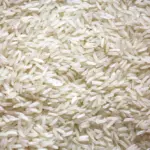
In the heart of grain processing, the quality of your rice milling machine can dictate not just the efficiency of your operations, but also the final product that reaches the consumer’s plate. As the global demand for rice continues to soar, the importance of selecting the right milling equipment becomes paramount for farmers, processors, and distributors alike. This guide delves into the intricate world of rice milling machines, illuminating the critical factors that influence performance, efficiency, and the quality of the milled grain. Whether you’re a seasoned rice miller or a newcomer to the industry, the right choice can substantially enhance your processing capabilities and ensure that your rice stands out in the marketplace.Join us as we explore the essential elements to consider in this vital decision-making process, empowering you to optimize both your workflow and product quality in the competitive landscape of grain processing.
Maximize Your Yield: A Practical Guide to Selecting and Operating Rice Milling Machines for Optimal Grain Quality
To maximize your yield and ensure the optimal quality of processed rice,choosing the right milling machine is crucial. Start by assessing the scale of your operation—small, medium, or large—as this will dictate the type of milling machine you need. As an example, small-scale farmers might benefit from compact, multi-functional machines that can husk, mill, and polish rice in one pass, such as the Satake or Sona brand rice hullers.In contrast, larger operations might require more sophisticated equipment with higher throughput capabilities like the Indus or Buhler machines. Before a purchase, examine the machine’s milling capacity, which should align with your production goals, and validate its energy consumption to avoid unexpected operational costs.
Additionally, actively monitor the maintenance schedule of the milling machine to prevent issues that often lead to quality degradation. A common pitfall is neglecting the calibration of machine settings such as the pressure applied during milling,which can lead to broken grains. Implement routine checks on the screen size and cleanliness of milling components to ensure efficient operation. Keep a log of operational hours and maintenance to realize patterns that may indicate when parts require replacement. Taking these steps not only minimizes machine downtime but also optimizes the grain quality. You can also compare the effectiveness of various types of machines through a simple table to better understand their advantages:
| Machine Type | Advantages | Best For |
|---|---|---|
| Compact Hullers | Cost-effective, space-saving | Smallholder farmers |
| single Pass Mills | Efficient milling, less labor | Medium-scale producers |
| Multi-Stage Mills | High capacity, superior quality | Industrial operations |
Key Takeaways
In the intricate dance of grain processing, selecting the right rice milling machine can be the key to unlocking greater efficiency and superior quality. By weighing the factors we’ve explored—capacity, technology, maintenance needs, and the specific demands of your operation—you can make an informed choice that aligns with your goals.As rice milling continues to evolve,staying updated on innovations and advancements will further enhance your processes and productivity. remember, a well-chosen machine is not just an investment in equipment; it’s a commitment to excellence in every grain you process. As you embark on this journey, may your decisions yield fruitful results, and may your operations flourish with every polished kernel that leaves your mill.Happy milling!