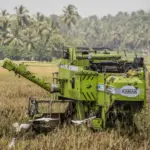
In a world where food security is increasingly intertwined with sustainability, the humble grain of rice emerges as a powerful symbol of innovation and resilience. “Beyond the Grain: How Modern Rice processing Plants are Revolutionizing Enduring Agriculture and Food Security” invites readers to explore the remarkable transformation occurring within the rice industry. As populations soar and climate challenges become more pronounced, technological advancements in rice processing are not only enhancing efficiency but also promoting eco-friendly practices that can safeguard the future of our food systems. This article delves into the cutting-edge processes and sustainable approaches being employed in modern rice plants,revealing how thes initiatives are redefining customary agricultural paradigms and paving the way for a greener,more secure world.Join us as we uncover the delicate balance between tradition and innovation, and discover the pivotal role rice processing plays in feeding the planet sustainably.
Reassessing Efficiency: The Overlooked Ecological footprint of Advanced Rice Processing Techniques
The push for efficiency in modern rice processing has frequently enough overshadowed an essential aspect of sustainability: the ecological footprint of these advanced techniques. While it is tempting to equate high-output processing with environmental progress,the reality is more complex. The adoption of cutting-edge technologies can lead to meaningful increases in energy consumption and water dependency. For instance,technologies such as drying systems,parboiling units,and automated packaging lines can yield excellent grain quality but may inadvertently contribute to increased greenhouse gas emissions if not powered by renewable sources.It is indeed crucial to reevaluate the equations defining productivity and sustainability through the lens of holistic environmental impact rather then mere output.
Trade-offs abound, and stakeholders must embrace a more nuanced understanding of what “efficiency” entails. As an example, while advanced milling techniques can reduce processing time, they may simultaneously increase waste generation, especially if byproducts like husks and bran are neglected.This highlights the importance of integrated management systems that emphasize waste reutilization and energy recovery. Recommendations for fostering a genuinely sustainable approach include:
- Implementing Life Cycle Assessments (LCAs) to identify and mitigate hidden environmental costs of processing.
- Investing in renewable energy sources to power processing plants, thereby reducing reliance on fossil fuels.
- advocating for the circular economy by finding innovative uses for byproducts, which can significantly minimize waste.
This multifaceted view of efficiency serves as a reminder that true progress in sustainable agriculture cannot be adequately measured by yield alone; it necessitates a commitment to ecological integrity throughout the entire processing paradigm.

Beyond Innovation: The potential Pitfalls of Technological Dependence in Agricultural Sustainability
Technological advances in rice processing present substantial gains for sustainable agriculture, yet this shift also raises critical concerns about excessive reliance on technology. Stakeholders must recognize the potential downsides of such dependence. Over-emphasizing mechanization can diminish local knowledge systems, eroding traditional farming practices that have been honed over generations. Additionally, relying heavily on advanced technologies without considering local conditions can breed vulnerabilities. For instance, a breakdown in processing machinery may lead to significant post-harvest losses if alternative methods aren’t readily available.
Moreover, the uneven access to these technologies can exacerbate socio-economic inequalities within communities. While larger farms can afford cutting-edge processing facilities, smaller holdings may find themselves relegated to outdated methods, undermining their competitiveness. To navigate this landscape wisely,agriculture policymakers should consider the following nuanced recommendations:
- Promote Hybrid Approaches: Encourage a balance between traditional practices and modern technologies to foster resilience.
- Invest in Training: Create programs that empower local farmers with both technical skills and knowledge of sustainable methods.
- Encourage Community-Centric Innovations: Support grassroots innovations that respect local customs while integrating necessary technological advancements.
These steps can help mitigate the risks associated with technological dependence while ensuring that the benefits of modern processing are equitably distributed across the agricultural landscape.
Substituting Tradition: evaluating the Cultural Impacts of Hi-Tech Rice Processing on Rural Livelihoods
The advent of high-tech rice processing plants presents a dual-edged sword for rural livelihoods, often undermining age-old agricultural traditions while simultaneously promising efficiency and greater yields. One of the most significant cultural impacts is the erosion of traditional practices that have historically sustained communities. many rural farmers have relied on hand-processing techniques not only as a means of subsistence but also as a vessel for cultural expression and community bonding. The transition to mechanized processing can disrupt these social fabrics, leading to a loss of identity and generational knowledge. It is indeed crucial to recognize that while these plants improve output consistency and reduce waste,they also risk commodifying agriculture in ways that dilute local customs and practices.
Moreover, the reliance on high-tech processing introduces certain trade-offs that must be critically evaluated. As an example, the lure of more efficient processing may drive smallholders into dependency on corporate-operated facilities, diminishing their autonomy. Farmers can be pressured to conform to standardized practices that align more with corporate profitability than with local needs. This commodification raises crucial questions about sustainability, equity, and the preservation of local identity. To navigate these challenges, it is essential to advocate for a balanced approach:
- implement community-led initiatives that integrate modern technology with traditional knowledge.
- Offer training programs that not only teach high-tech processing skills but also emphasize the value of traditional methods.
- Encourage policies that protect cultural heritage while promoting economic innovation.
By fostering a dialog between modern approaches and traditional practices, we can create a more resilient agricultural ecosystem that honors local customs while embracing the benefits of technological advancements.
Rethinking Food Security: The Unintended Consequences of Embracing Modern Rice Production Systems
While modern rice production systems promise enhanced efficiency and higher yields, they also harbor a suite of unintended consequences that challenge traditional notions of food security.One significant oversight is the assumption that increased productivity directly correlates with improved food availability. Though, the shift toward monoculture practices frequently enough results in diminished biodiversity, possibly undermining the very ecosystems that support agricultural stability. Furthermore, the reliance on high-input agriculture drives farmers to dependency on chemical fertilizers and pesticides, leading to soil degradation and water contamination—a dual threat that ultimately endangers long-term food security. The paradox lies in the fact that while these systems may boost short-term output, they often compromise the resilience that diverse cropping systems inherently offer.
Moreover, the socio-economic implications of modern rice production systems cannot be overlooked. Smallholder farmers, who represent a significant percentage of global rice producers, may find themselves at a disadvantage in this new paradigm. The integration of large-scale processing plants and corporate farming models can exacerbate inequalities by pushing these farmers out of the market due to their inability to compete with lower prices and the economies of scale achieved by larger entities. To navigate this complex landscape,stakeholders must adopt a nuanced approach that involves:
- Policy Innovation: Craft policies that incentivize agroecological practices that protect biodiversity.
- Access to Resources: Ensure smallholder farmers have access to alternative markets and sustainable farming inputs.
- Education and Training: Invest in farmer education regarding integrated pest management and organic farming techniques.
The challenge lies in finding a balanced strategy that reconciles the benefits of modern agriculture with the preservation of ecosystems and equitable access for all farmers.
Insights and Conclusions
As we step into a future shaped by innovation and sustainability, the role of modern rice processing plants cannot be overstated. These facilities are not just transforming how we cultivate and process one of the world’s most essential crops; they are paving the way for a more resilient agricultural landscape and enhancing food security for millions. By harnessing advanced technologies and eco-friendly practices, these plants stand at the forefront of a revolution that respects our planet while nourishing its people.
As we reflect on the journey of rice from field to fork, it becomes evident that the future of food lies in our ability to adapt and innovate.By investing in sustainable practices and modernizing our agricultural infrastructure, we can ensure that this staple grain continues to be a source of sustenance, pride, and hope for generations to come. The path ahead may be riddled with challenges, but with the ongoing commitment to sustainable agriculture, we can successfully harvest not just the grains but also the potential for a better tomorrow. Together,let us embrace this transformation and cultivate a world where food security is within everyone’s reach.