In a world where efficiency and sustainability are paramount, the humble rice mill is evolving into a beacon of innovation, catering to both small-scale entrepreneurs and established agricultural enterprises alike.As the backbone of countless communities, mini rice mill plants represent a important leap forward in rice processing technology, offering an accessible pathway for those looking to harness the full potential of this staple grain. In this article, we delve into the intricacies of mini rice mill plants, exploring their myriad benefits, uncovering the associated costs, and providing guidance on how to select the perfect system to meet your unique requirements. Whether you are a farmer seeking to enhance your agricultural operations, a business innovator exploring new ventures, or simply curious about the rice milling industry, our complete guide aims to illuminate the essential factors you need to consider before making a pivotal investment. Join us as we navigate the exciting landscape of mini rice mill plants, where tradition meets technology and opportunity awaits at every turn.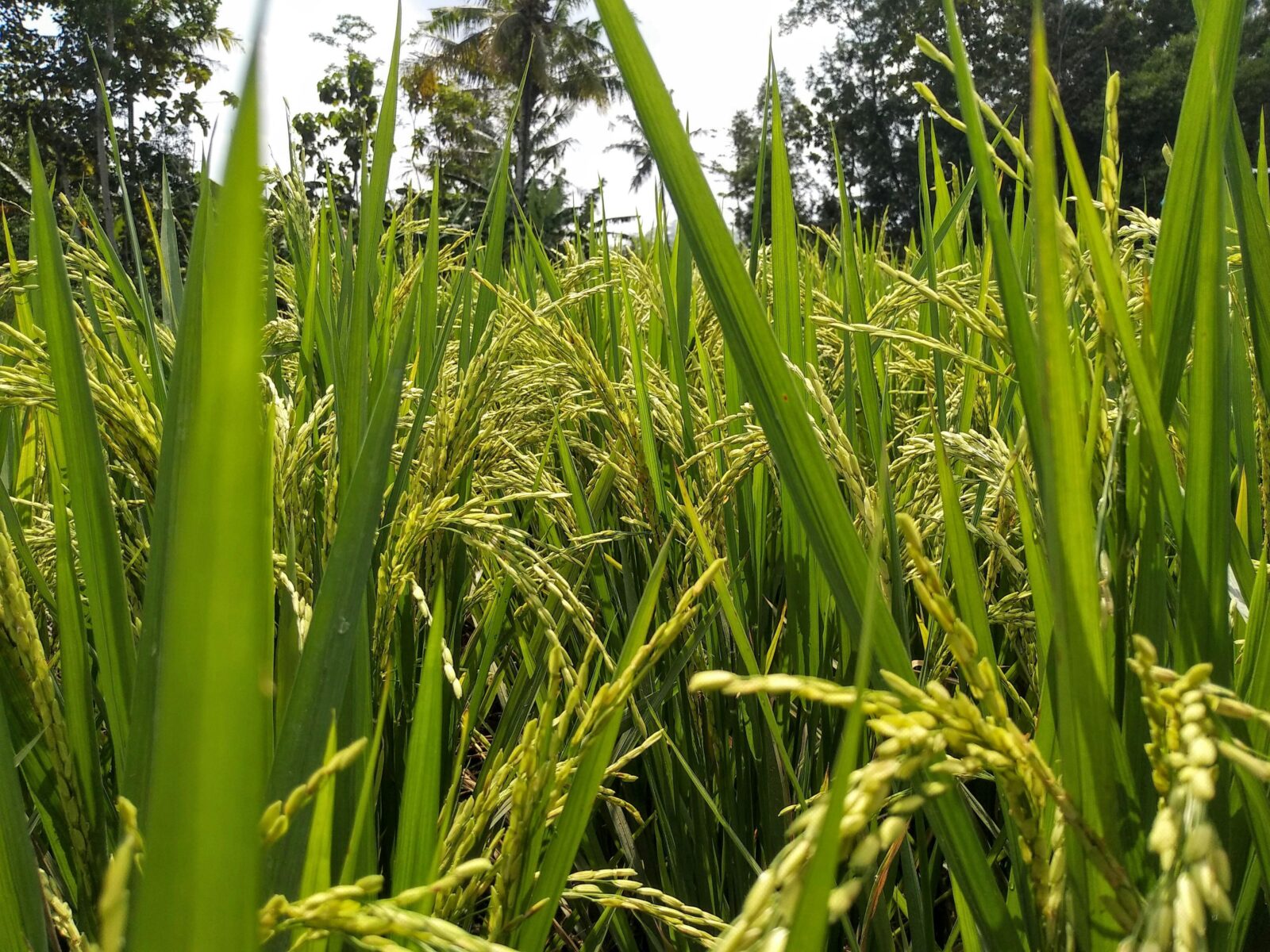
Exploring the Essentials of Mini Rice Mill Plants and Their impact on Rice Processing
Mini rice mill plants are compact,cost-effective units designed to process raw rice into polished,market-ready products. These plants often include essential components such as a milling machine, husker, and separator, allowing for efficient processing of small to medium quantities of rice. The advantages of mini rice mill plants are numerous:
- Cost-Effective Setup: With lower initial investment costs, mini rice mills are accessible for small farmers or cooperatives.
- Energy Efficiency: These plants typically consume less power compared to larger machines, making them more enduring.
- Quality Control: Mini mills allow local farmers to maintain high-quality standards for their products, enhancing market competitiveness.
- Adaptability: Thay can process different types of rice, catering to diverse market needs.
However, potential challenges include maintenance needs and scalability. Regular upkeep is crucial to ensure optimal functionality, and if a business grows, they might need to upgrade to larger machinery. Comparing mini rice mills involves looking at factors like processing capacity, power consumption, and the specific features of different models. For exmaple, some might prioritize greater automation, while others focus on user-friendliness.When choosing a mini rice mill plant, one should consider reputable manufacturers and existing customer reviews to assess reliability and performance. Here’s a quick comparison of some popular mini rice mill brands based on key criteria:
| Brand | Processing Capacity | Power Consumption | Price Range |
|---|---|---|---|
| Brand A | 300 kg/h | 5 HP | $2,500 – $3,000 |
| Brand B | 500 kg/h | 7.5 HP | $3,500 – $4,000 |
| Brand C | 750 kg/h | 10 HP | $4,500 - $5,000 |
Maximizing Efficiency and Profitability: The Advantages of Investing in a Mini Rice Mill
Investing in a mini rice mill can significantly enhance efficiency and profitability for small- to medium-scale rice producers. These compact milling units are designed to process rice with minimal power and space requirements while still maintaining high throughput rates. Some of the key advantages include:
- Reduced operational Costs: Mini rice mills consume less energy compared to larger systems, reducing overall electricity bills. Moreover, their smaller size translates to lower installation and maintenance costs.
- enhanced Product Quality: Advanced technology in mini rice mills ensures that rice is milled with minimal damage, producing high-quality, marketable rice that retains more nutrients.
- Flexibility and Scalability: These units can be easily scaled up or down based on production needs, making them adaptable for different business sizes and market demands.
- Ease of Operation: User-kind design and automated features make it easier for operators to manage the milling process efficiently, minimizing labour costs and training time.
When comparing mini rice mills to traditional milling setups, several factors make the former a more attractive option. Traditional mills often require large-scale investment and extensive operational oversight, which can be a barrier for new entrants in the rice market. In contrast, mini rice mills are designed for optimal efficiency, making them accessible for businesses with limited budgets. For example, while a traditional mill may cost upwards of $100,000 to install, a mini rice mill can often be purchased for less than $30,000, allowing more producers to enter the market and compete effectively. Additionally, the shorter payback period on investment—typically within 2 to 3 years—makes mini rice mills an appealing choice for those looking to maximize their return on investment.
Navigating the Challenges of Mini Rice Mill Ownership: Key Considerations and Common Misunderstandings
Owning a mini rice mill can be a rewarding venture, but it comes with its own set of challenges that prospective owners should navigate with caution. One common misconception is that mini rice mills require minimal investment and low operational complexity. While they are indeed more affordable and less demanding than larger mills, owners should be prepared for both financial and logistical challenges. Here are several key considerations:
- Initial Costs: While the upfront cost of a mini rice mill is generally lower than that of larger facilities, potential owners should budget for additional expenses such as transport, installation, and initial marketing efforts.
- operation Knowledge: Many underestimate the need for proper training on how to operate the machinery effectively, maintain quality control, and adhere to food safety standards.
- Market Demand: Understanding local demand is essential.Owners may need to conduct market research to establish a reliable customer base, which can be pivotal for long-term success.
- Maintenance Requirements: Regular maintenance is crucial.Owners frequently enough overlook the costs and time associated with keeping the machinery efficient and reducing downtime.
Another common myth involves the belief that mini rice mills will automatically generate profit once operational. In reality, marketing strategies and business acumen play significant roles in profitability. To avoid pitfalls, consider these aspects:
| Aspect | Importance |
|---|---|
| market Research | Identifies customer needs and pricing strategies. |
| Quality Control | maintains product standards and builds a solid reputation. |
| Financial Planning | Ensures sustainability and prepares for unexpected costs. |
by addressing these challenges proactively, potential owners can equip themselves with the tools necessary for accomplished mini rice mill operation, thereby maximizing both their investment and market potential.
A Comprehensive Guide to Choosing the Ideal Mini Rice Mill Plant for Your Business Needs
When selecting a mini rice mill plant, several key factors must be considered to ensure it meets your business needs effectively. First, evaluate the capacity of the mill you require. Mini rice mills are available in various capacities, typically ranging from 600 to 1500 kg per hour. assess your production goals and the scale of your operations to determine the appropriate size. You should also consider the location where the mill will be installed. Factors like available space,power supply,and proximity to paddy supply can significantly affect the efficiency of your operation.
another critical aspect is the technology and features of the mini rice mill. Modern mills come equipped with advanced technology that can enhance processing efficiency and reduce labor costs. Look for features such as automatic operation, energy efficiency, and easy maintenance. A comparison of the costs involved is also essential. Evaluate the initial investment, operational expenses, and potential return on investment (ROI). Below is a brief table to help you weigh the pros and cons of mini rice mills:
| Advantages | Disadvantages |
|---|---|
| Lower operating costs | Limited production capacity |
| Easier to maintain | Requires skilled operation |
| Compact size | Potentially higher per-unit processing cost |
Lastly, don’t forget to research the manufacturer’s support and warranty options. A reliable manufacturer should provide not only quality equipment but also robust after-sales service. This can include installation assistance, training for operators, and access to spare parts. By meticulously assessing these factors, you can choose a mini rice mill plant that aligns with your operational goals and enhances your business efficiency.
Wrapping Up
As we wrap up our exploration of mini rice mill plants, it’s clear that understanding their intricacies can significantly impact your decision-making process. The benefits they bring—efficiency,affordability,and adaptability—make them a compelling option for many,whether you’re a budding entrepreneur or a seasoned producer looking to modernize your operations. By carefully considering the costs involved and evaluating your unique requirements, you can select the right mini rice mill that aligns with your goals.
Remember, a well-informed choice today can lead to a thriving venture tomorrow. Take the time to research, engage with suppliers, and even visit operational mills if possible. Only then can you harness the full potential of this versatile technology. As the rice milling industry continues to evolve, being equipped with the right tools and knowledge is essential to not just keep pace, but to thrive in this dynamic surroundings. The right mini rice mill plant is more than just an investment; it’s a step toward a successful future in grain processing. With the insights gathered from this article, you are now better prepared to embark on your journey. happy milling!