In the heart of every kitchen, the hum of a well-functioning appliance can transform the culinary experience, and when it comes to rice, the quality begins at the source. Enter the mini rice milling machine—a compact powerhouse designed to elevate home cooking and small-scale rice production. As rice consumption continues to rise globally, understanding the nuances of grain processing has never been more essential.This comprehensive guide delves into the myriad benefits of mini rice milling machines, from efficiency and cost-effectiveness to the amazing convenience they offer. Whether you’re a culinary enthusiast looking for fresh, perfectly milled grains or a small-business owner aiming to streamline operations, this article will illuminate the factors to consider when choosing the right machine for your needs.Join us as we explore the world of rice milling and uncover the tools that can elevate your grain game to new heights.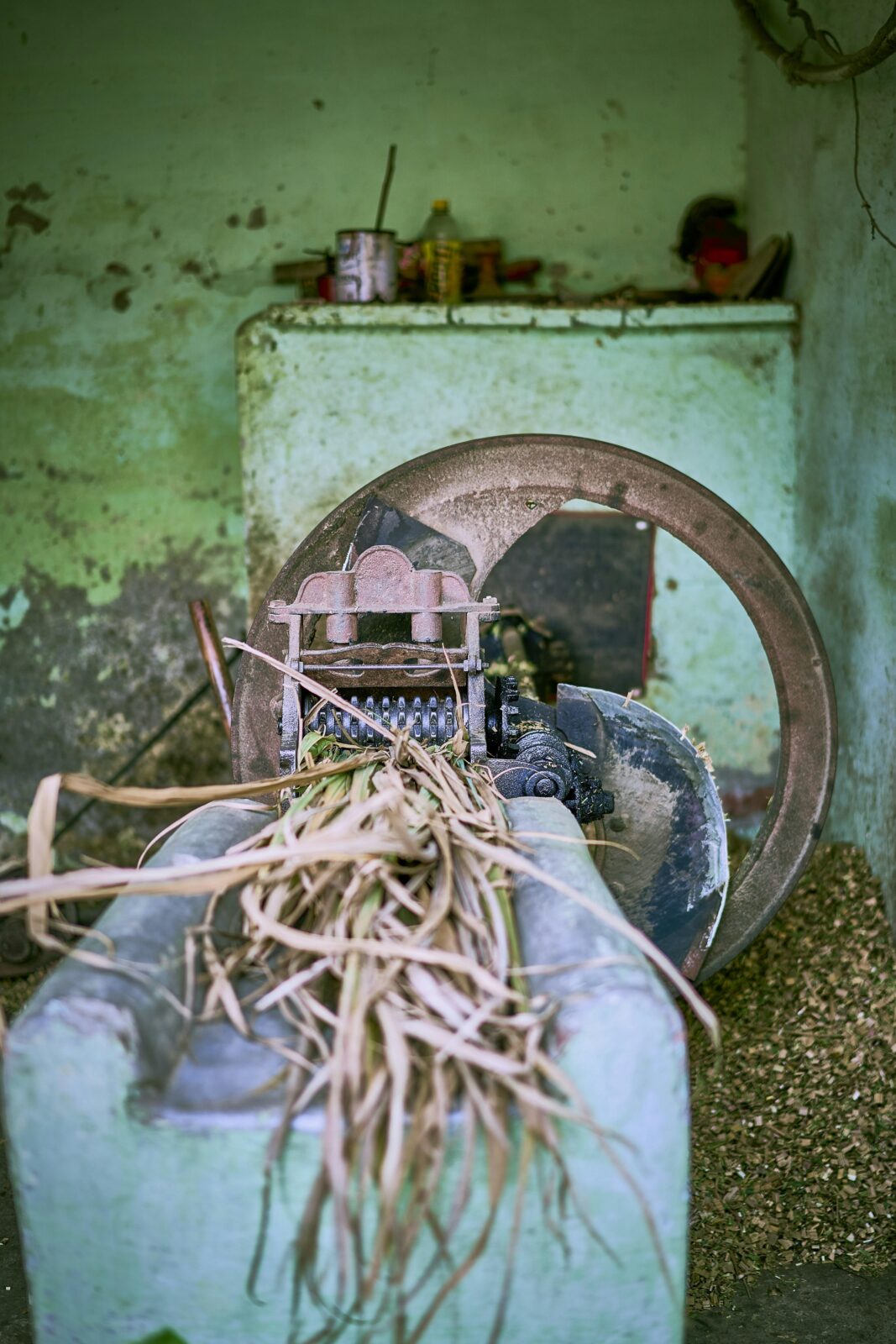
Understanding Mini Rice Milling Machines and Their Role in Modern Agriculture
Mini rice milling machines are compact, efficient tools designed to process paddy into edible rice, serving a crucial role in modern agricultural practices. Unlike traditional milling setups, mini rice mills allow small-scale farmers to take control of rice production by reducing reliance on large milling facilities. These machines typically combine multiple functions such as hulling, whitening, and grading, making them an all-in-one solution for rice processing. By enabling farmers to mill their rice on-site,they can minimize costs,retain quality,and improve overall efficiency. This shift empowers local economies by allowing farmers to sell directly to consumers,enhancing freshness and value.
The benefits of mini rice milling machines extend beyond mere convenience. Here are some key advantages:
- cost-Effective: Lower operational costs compared to traditional milling services.
- Quality Control: Farmers have more control over the milling process, leading to better quality rice.
- Versatility: Many models can handle different rice varieties and even other grains.
- Environmental Impact: Smaller machines often consume less energy and use less water.
- Accessibility: Compact design allows for easy transportation and setup.
However, potential buyers should consider some challenges, such as maintenance requirements and varying processing capacity. It’s essential to compare different models based on farm size, desired output, and specific features like energy efficiency and ease of operation. Below is a simple comparison table highlighting some key specifications of commonly used mini rice milling machines:
| Model | Processing Capacity (kg/h) | Power Source | Weight (kg) |
|---|---|---|---|
| Model A | 200 | Electric | 150 |
| Model B | 300 | Diesel | 180 |
| Model C | 150 | Solar | 120 |
By understanding these aspects, farmers can make informed decisions when selecting the right mini rice milling machine that aligns with their operational needs and sustainability goals.
Exploring the Advantages of mini Rice mills for Small-scale Farmers
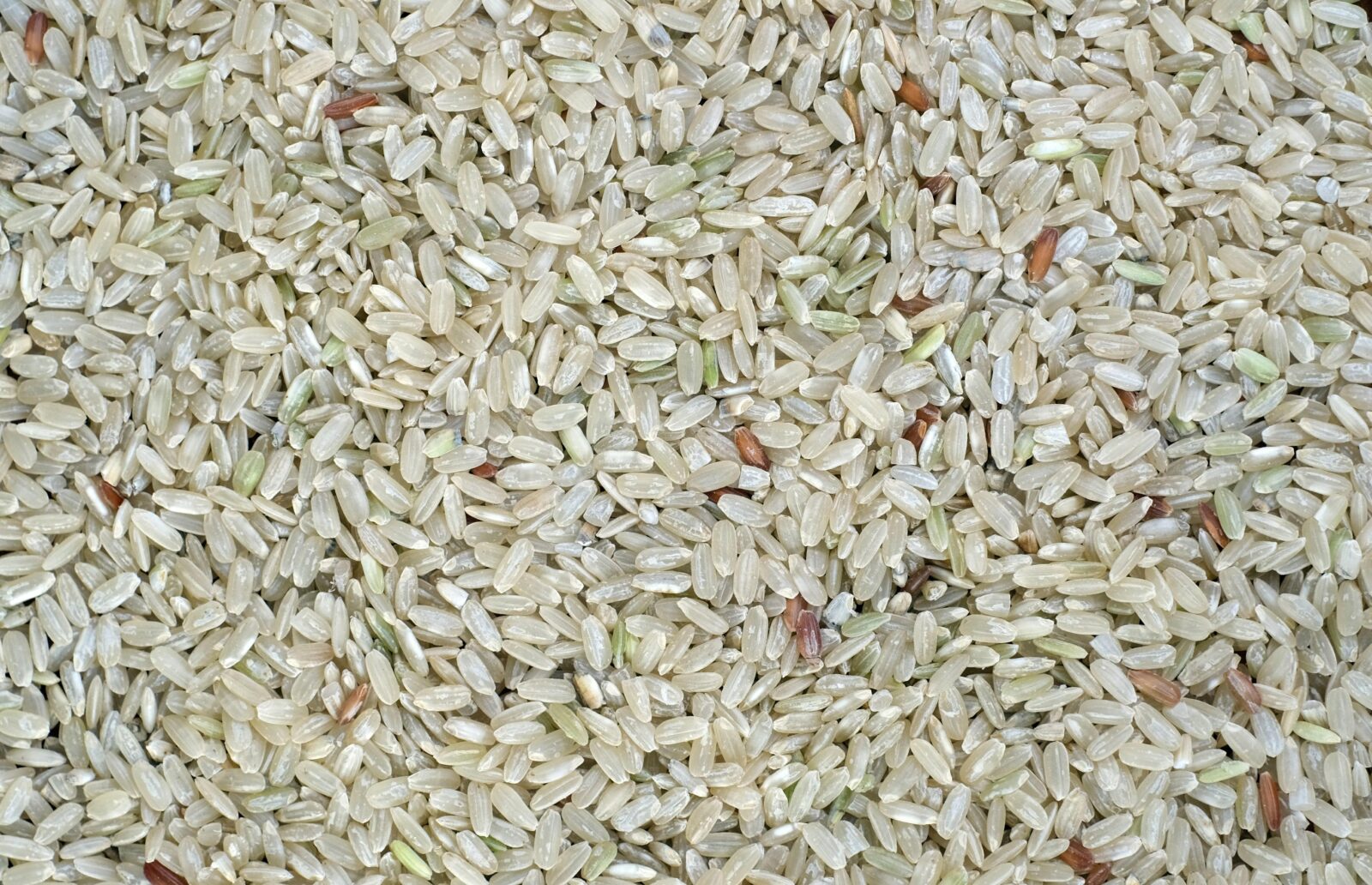
Mini rice mills are becoming essential tools for small-scale farmers looking to enhance their productivity and profitability. These compact machines offer several advantages, especially in terms of efficiency and cost-effectiveness. Key benefits include:
- Improved Quality: Mini rice mills are designed to produce higher quality milled rice,which can meet market demands and consumer expectations.
- Reduced Labor Costs: Automating the milling process minimizes labor requirements, allowing farmers to save on hiring additional workers.
- Shorter Processing Time: With faster milling capabilities,farmers can quickly turn their harvested paddy into sellable rice,enabling quicker cash flow.
- Customizable Settings: Many mini rice mills allow operators to adjust settings according to their specific needs, enabling them to produce various rice grades.
Moreover, these machines provide a practical solution to some common problems faced by small-scale farmers. Traditional milling methods often result in important grain wastage and require large capital investments in infrastructure. By using a mini rice mill, smallholder farmers can:
- Retain More Grain: Efficient milling technologies lead to less broken rice and increased yield from the original harvest.
- Access Local Markets: Milling on-site allows farmers to cater to local markets directly, enhancing their income potential.
- Adapt to Varied Rice Varieties: These machines can handle a range of rice types, making them versatile for different crops.
Farmers intending to invest in a mini rice mill should evaluate their specific requirements, such as capacity, maintenance needs, and the types of rice they grow. It’s also beneficial to compare different brands and models based on user reviews and performance metrics to find the best fit for their unique circumstances.
Navigating Common Misconceptions About Mini Rice Milling Technology
Understanding mini rice milling technology can often be clouded by common misconceptions.one prevalent misunderstanding is that mini rice mills are only suited for small-scale operations.In reality, while they are optimized for smaller production volumes, they can efficiently cater to mid-sized farmers and co-operatives as well, providing a level of flexibility that larger, industrial machines cannot. Mini rice milling machines come with features like adjustable milling levels, energy efficiency, and user-pleasant interfaces, which make them a practical choice for diverse needs.Additionally, these machines frequently enough produce superior-quality rice with minimal wastage, addressing concerns about the quality compared to larger counterparts.
Another misconception is regarding the maintenance and operational complexity of mini rice mills. Many potential users fear that these machines require extensive knowledge or technical skills to operate.However, most modern mini rice milling machines are designed with ease of use in mind and come equipped with step-by-step manuals and customer support. Furthermore, the compact design facilitates easier maintenance, allowing farmers to troubleshoot common issues without needing specialized training. Here’s a fast comparison to clarify the benefits:
| Aspect | Mini Rice mill | Large Rice Mill |
|---|---|---|
| Cost | Less initial investment | Higher setup costs |
| Space Requirement | Compact and portable | Requires significant space |
| Ease of Operation | User-friendly | Technical expertise needed |
| Production Scale | Flexible for small to mid-sized | Designed for large-scale production |
In addressing these misconceptions, it’s crucial to highlight the tailored adaptability of mini rice milling machines, making them relevant and accessible to a variety of users, whether in rural areas or bustling agricultural cooperatives.
key Considerations for Selecting the Perfect Mini Rice Milling Machine for Your Operation
When selecting a mini rice milling machine for your operation, several key factors should influence your decision. Understanding your specific requirements is crucial. Consider the volume of rice you plan to process, as many mini machines have varying capacities. Typically, they can process anywhere from 100 to 1,000 kilograms per hour. Additionally, examine the head rice yield percentage, which measures how much of the milled rice is whole grains. Look for machines that offer a yield of at least 60-70% to maximize your profits. Other important features to assess include the machine’s energy efficiency, ease of operation, maintenance needs, and the quality of the milling result, such as the whiteness and polish of the rice.
Another critical consideration is the technology and materials used in the machine’s construction. More advanced models often incorporate features like digital controls and automation, leading to improved precision and reduced labor cost. Compare different brands and models based on customer reviews, warranty offers, and available customer support. Look for machines that come equipped with additional functionalities such as de-stoning or color sorting, which can enhance the quality of your end product. For example, brands like Satake and modern rice mills are renowned for high efficiency and durability. Weighing all these factors will guide you in choosing the perfect mini rice milling machine tailored to your operational needs.
Future Outlook
as the world continues to embrace innovation in traditional practices, mini rice milling machines emerge as a practical solution for both small-scale farmers and home enthusiasts alike. By highlighting the benefits of these compact yet powerful machines, we’ve paved the way for informed decision-making. Whether it’s maximizing efficiency, enhancing quality, or supporting local economies, choosing the right mini rice mill can transform the way you process rice.
As you embark on your journey to select the perfect machine tailored to your needs, remember to weigh factors such as capacity, energy efficiency, ease of operation, and maintenance requirements.With thoughtful consideration and the insights shared in this guide, you can invest in a mini rice milling machine that not only meets your immediate requirements but also supports your long-term goals.
so, why wait? Embrace the future of rice milling and take that significant step toward efficiency and productivity. Your grains deserve the best, and with the right mini rice milling machine, you can ensure they receive just that. Happy milling!