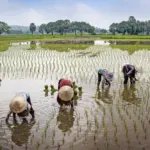
In the world of grains, rice stands as a staple that transcends cultures and borders, its versatility serving as a foundation for countless meals across the globe. Yet,beneath the surface of this simple grain lies an intricate web of processes that elevate it from its raw form to a culinary delight. Among these processes, parboiling—a method that transforms paddy rice into a nutritious and flavor-packed staple—has emerged as a pivotal player in the food industry. This article delves into the economic dynamics of parboiled rice processing plants, exploring how they not onyl enhance the nutritional value of rice but also drive local economies, create job opportunities, and innovate agricultural practices.Join us as we unpack the smarts behind this frequently enough-overlooked segment of the grain market, revealing how parboiling rice is not just about cooking; it’s about cultivating economic growth and sustainability in a rapidly changing world.
Unlocking the Hidden Costs: Evaluating the Trade-offs of Parboiling Techniques in Rice Production
Understanding the economic implications of parboiling rice requires a multifaceted evaluation of its hidden costs and benefits. While traditional rice processing methods may seem straightforward and economically viable at first glance, the intricate nuances of parboiling can significantly alter cost dynamics. Key considerations include:
- Initial Investment: Establishing a parboiling facility frequently enough demands higher capital upfront for specialized equipment and technology compared to conventional processing plants.
- Operational Costs: Continuous energy consumption during steaming and drying adds an ongoing expense that must be managed effectively.
- Quality and Market Demand: Parboiling enhances nutritional value and shelf stability, perhaps commanding a premium price in the market; however, this must be compared against lower demand in certain regions.
Beyond mere costs, producers must weigh the trade-offs in terms of yield and labor efficiency. While parboiled rice can reduce cooking times and water requirements—an appealing feature for consumers—it typically results in a lower raw yield compared to unprocessed rice. Hence, rice millers must ask whether the enhanced quality justifies the sacrifice in volume. Furthermore, there is the aspect of labor; parboiling requires skilled labor for quality control in steaming and drying processes, stirring considerations about training costs and workforce capabilities. Tables outlining the cost-benefit analysis could provide clearer insights for stakeholders, ultimately guiding them to make informed decisions that align with both market trends and operational realities.

Rethinking Conventional Wisdom: The Overlooked Benefits of Investing in local Parboiled Rice Enterprises
The prevailing belief is that large-scale agribusiness dominates the rice market, especially when it comes to parboiling. However, investing in local parboiled rice enterprises is a strategic move that could yield meaningful benefits for community advancement, food security, and local economies. Supporters of conventional wisdom argue that large operations can better handle supply chain complexities and enjoy economies of scale. In contrast, local enterprises, despite a perceived lack of efficiency, offer unique advantages:
- Community Resilience: Local businesses are ofen more connected to their communities, ensuring that profits are reinvested locally, creating jobs, and promoting economic sustainability.
- Freshness and quality: Smaller operations can prioritize quality and local sourcing,providing fresher products compared to mass-produced alternatives.
- Cultural Relevance: Local parboiled rice reflects regional culinary practices, enriching cultural identity and fostering deeper consumer loyalty.
However,investing locally comes with trade-offs that require careful consideration. Local enterprises may struggle with funding, access to technology, and market reach, presenting a nuanced challenge for investors. It is indeed essential to recognize that supporting these businesses doesn’t mean disregarding large-scale producers; rather, it demands a strategic balance.Investors should consider forming partnerships that provide small enterprises with the operational expertise and capital they lack,ultimately enhancing their capacity without stifling their unique attributes. For instance, a hybrid model were large firms invest in small-scale processing plants can create a synergistic ecosystem that maximizes both efficiency and local engagement, thus transforming the rice industry from a one-size-fits-all approach to a more tailored strategy where both small and large players thrive.
| consideration | Local Enterprises | Large Operations |
|---|---|---|
| market Reach | Limited, but loyal | Widespread |
| Investment Flexibility | High, but capital-constrained | Low, but financially robust |
| Quality Control | High, localized focus | Variable, mass-market pressure |
Between Sustainability and Profitability: The Complex Economics of Scaling Parboiled Rice Processing Operations
The economics of scaling parboiled rice processing operations presents a delicate balancing act between sustainability and profitability. Historically, many have presumed that higher profitability naturally aligns with larger production scales. However, this assumption overlooks several critical factors. Firstly, expansion can lead to diminishing returns if not accompanied by an increase in operational efficiency or market demand. Pursuing aggressive scaling without a robust understanding of local supply chains can incur unnecessary costs, particularly in logistics and labor.Here lies the complexity: as production scales, the environmental impact and resource consumption also tend to rise. Operational decisions must thus navigate trade-offs between maintaining a sustainable ecological footprint and achieving profit margins, making it essential to adopt a holistic view of operational sustainability that integrates both financial health and environmental stewardship.
To thrive in this nuanced landscape, parboiled rice processors can consider several strategies. Investing in innovative technologies—such as energy-efficient steamers and eco-friendly drying methods—could reduce long-term costs and environmental impacts. Moreover, processors should explore partnerships with local farmers to ensure a consistent, sustainably sourced supply of raw materials, thus mitigating volatility in pricing. Moreover, processors must reassess traditional pricing models that focus solely on volume.Instead, value-added products, such as organic or fortified rice varieties, can create additional revenue streams and tap into higher-margin markets.A tailored approach, combining market research with operational insights, can definitely help processors pinpoint the sweet spot where profitability meets sustainability—suggesting a potential pivot towards a model that views community welfare and environmental health as not just ancillary benefits but as essential components of a competitive edge in the market.
Navigating Market Trends: Smarter Strategies for Competing Beyond Traditional Rice Processing Models
As the global landscape for rice consumption evolves, traditional models of rice processing are increasingly challenged by market trends that value sustainability, nutrition, and consumer engagement. To navigate this dynamic environment, businesses must recognize the limitations of the conventional parboiling process—primarily its focus on efficiency and output at the expense of value-added products. The shift in consumer preference towards healthier and more nutritious food options requires a rethinking of strategies that incorporate both technological innovation and market intelligence. Thus, embracing the following approaches can set forward-thinking processors apart:
- Invest in Technological Integration: Incorporate advanced technologies like milling automation and smart irrigation to gain operational efficiency while minimizing waste. This balance can significantly reduce costs and enhance product quality.
- Focus on Nutraceuticals: Enhance the nutritional profile of parboiled rice by exploring fortification options or product diversification to include organic or specialty varieties, appealing to health-conscious consumers and differentiating from competitors.
- Enhanced Consumer Engagement: Leveraging social media and e-commerce platforms to create brand awareness and drive direct-to-consumer sales cultivates a loyal client base while enabling feedback-driven production changes.
Yet, adopting these strategies entails trade-offs that must be carefully considered. As a notable example, while increased automation promotes efficiency, it may also lead to job displacement and require significant upfront investment. Conversely, efforts towards sustainable practices may initially inflate production costs but may result in higher consumer willingness to pay over time. Moreover, while diversifying product offerings can capture niche markets, it often involves complex supply chain management that can dilute a company’s core competencies. Establishing a flexible business model that balances these factors—with a focus on both immediate and long-term profitability—will be crucial. A nuanced readiness to pivot based on consumer trends is essential for any rice processing entity aiming to thrive beyond outdated processing frameworks.
Wrapping Up
As we wrap up our exploration of parboiled rice processing plants, it’s clear that these facilities are much more than mere production hubs; they represent a nexus of tradition and innovation in the agricultural industry. Each grain processed tells a story of economic resilience,food security,and culinary versatility,carrying with it the potential for local development and global trade. The nuances of parboiling technology and the strategic management of resources highlight the savvy approaches that can transform raw commodities into valuable products.
In a world where food demands are continuously evolving, understanding the intricacies of parboiled rice processing not only aids in appreciating this staple but also sheds light on the broader economic principles at play. As markets fluctuate and consumer preferences shift, the successful adaptation of these plants showcases the innovative spirit that drives the agricultural sector forward.
The journey of a simple grain transcends the boundaries of geography and culture, reminding us that in the realm of food production, the process is just as crucial as the product. By investing in parboiled rice processing, we don’t just enhance the supply chain; we nurture a vision of sustainability and growth that can serve communities for generations to come. As we step away from the boil,we are left with the understanding that in the world of agriculture,every decision has the potential to contribute to a richer,more interconnected future.