In the heart of countless cultures across the globe, rice stands as a staple food, a symbol of life and sustenance. As the demand for this vital grain continues to rise, so too does the need for efficient and effective rice production methods. Enter the mini rice mill plant—an innovative solution designed to streamline the processing of rice while ensuring quality and accessibility. these compact facilities not only promise to enhance the milling process but also empower small-scale farmers and local entrepreneurs to elevate thier operations.
in this article, we embark on a journey to explore the multifaceted world of mini rice mill plants.We will delve into the myriad benefits they offer, provide a comprehensive setup guide, and highlight key considerations that play a crucial role in modern rice production. Whether you are a seasoned agriculturalist, a budding entrepreneur, or simply intrigued by the intricacies of food processing, this exploration sheds light on how mini rice mills can transform the landscape of rice production in the present day. Join us as we discover the potential that lies within these compact powerhouses of innovation.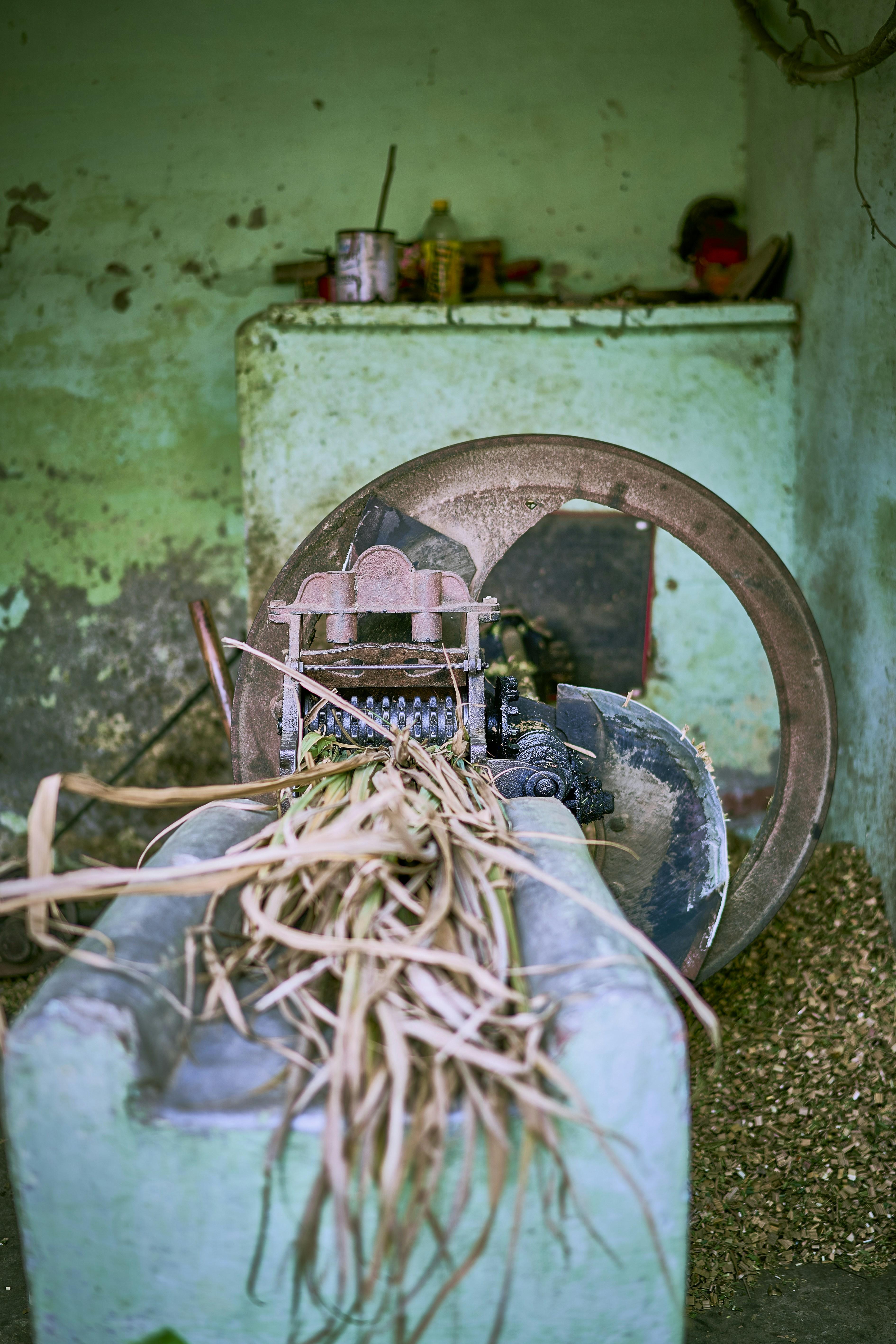
Unveiling the mini rice mill: A Comprehensive Overview for Aspiring Producers
The mini rice mill is an innovative solution for those looking to enter the rice production business with a focus on efficiency and cost-effectiveness. Typically, these compact milling machines are designed to handle small-scale rice processing, making them ideal for smallholders, cooperatives, or entrepreneurs looking to tap into the local market. A mini rice mill combines the processes of dehusking, polishing, and grading in one streamlined unit, significantly reducing labor costs and time required for rice processing.Key benefits of utilizing a mini rice mill include:
- cost Efficiency: Lower initial investment compared to larger milling plants.
- Space Saving: Compact design suitable for small spaces.
- Energy Efficient: Uses less power compared to larger machines.
- Versatility: Capable of processing various varieties of rice.
Despite their advantages,potential producers should also consider the challenges associated with mini rice mills. Common problems include limited production capacity and the need for skilled labor for optimal operation.Additionally, quality control is crucial; poor machinery maintenance can lead to substandard rice quality. When comparing mini rice mills to larger setups, it’s essential to evaluate factors such as output capacity, processing time, and available support services. For beginners, opting for a reputable brand and seeking recommendations on product reliability can make a notable difference. Below is a brief comparison table outlining some of the considerations:
| Feature | mini rice mill | Large Rice Mill |
|---|---|---|
| initial Investment | Lower | higher |
| Production Capacity | Limited | High |
| Maintenance | Generally Simple | Complex |
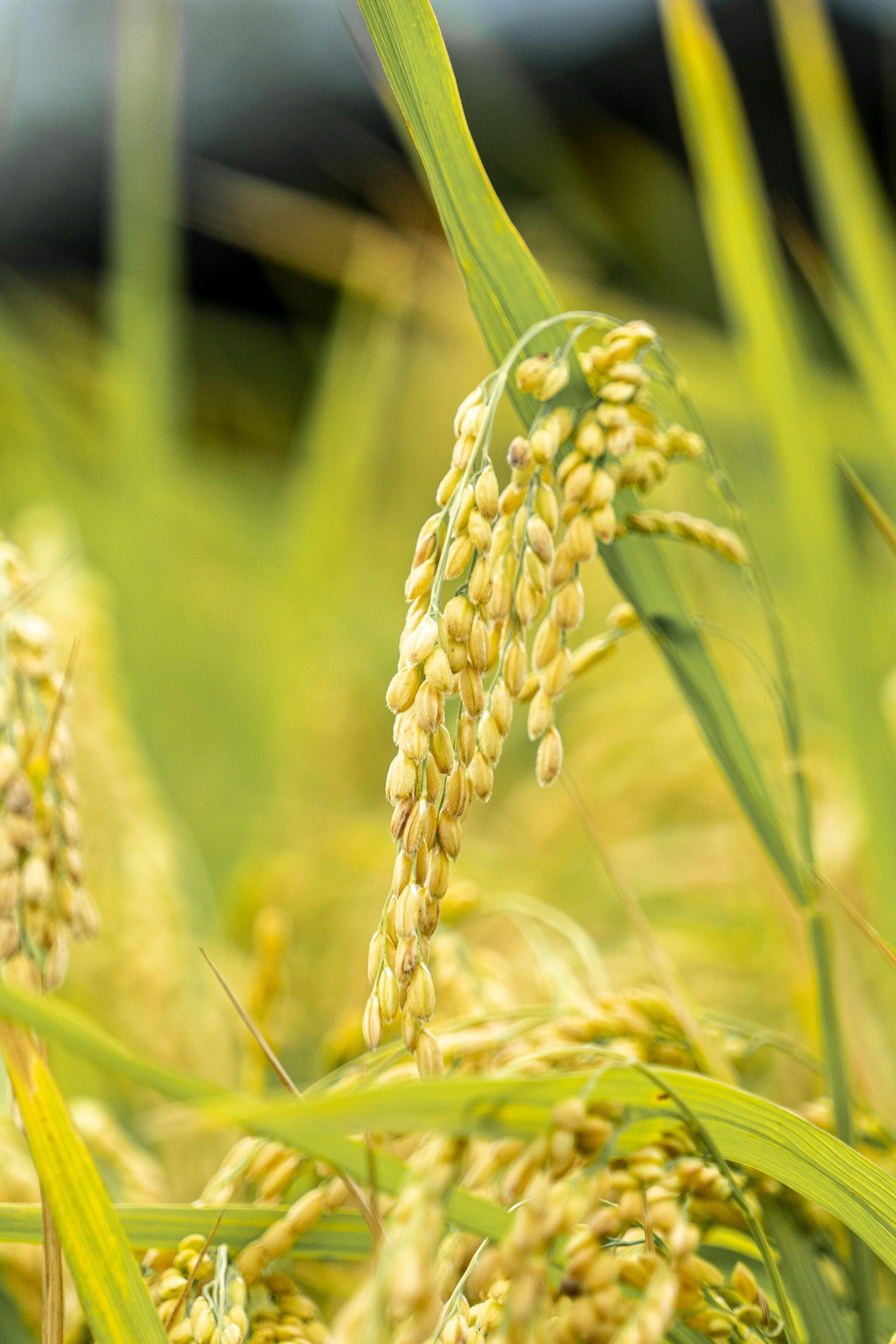
The Advantages of Mini Rice Mill Plants: Enhancing Efficiency in Modern Agriculture
Mini rice mill plants offer a host of advantages that significantly enhance the efficiency of modern agricultural practices. One of the key benefits is the ability to streamline the rice processing chain, allowing farmers to handle their production in-house. this can lead to substantial cost savings by reducing the need to transport paddy to large milling facilities. Mini mills are particularly efficient in processing small batches, making them ideal for local farmers aiming to meet immediate market demands. Furthermore, with advancements in technology, these mills often come equipped with automated features, ensuring a higher level of precision and quality control.
Additionally, mini rice mill plants contribute to sustainability in agriculture. By minimizing wastage during the milling process, they help maximize output and reduce environmental impact. Farmers can also select the milling capacity that best fits their operational scale, allowing for greater flexibility. The following points highlight the advantages and considerations of integrating mini rice mill plants into agricultural practices:
- Increased Efficiency: Faster processing times lead to quicker market readiness.
- Cost-Effective: Lower operational costs compared to larger mills.
- quality Control: improved quality of rice due to on-site processing.
- Market Responsive: Ability to adjust production based on local demand.
- Sustainability: Reduced environmental impact thru decreased transport and waste.
Navigating the Setup Process: Essential Steps for Establishing Your mini Rice Mill
Navigating the setup process for your mini rice mill can seem daunting, but understanding the essential steps can streamline your efforts significantly. Begin with site selection; choose a location that provides easy access to raw materials and transportation networks. This will not only enhance operational efficiency but also cut down on logistics costs. Next, assess your machinery requirements.Mini rice milling plants typically consist of components such as huskers, separators, and polishers. Consider the milling capacity you need: a small setup may require a miller with a capacity of 200-500 kg/hour, while a larger operation may need up to 1 ton/hour. When choosing equipment,prioritize reliable brands known for durability and ease of maintenance.
once you have your location and equipment sorted, it’s time to tackle regulatory compliance. familiarize yourself with local agricultural standards and procure any necessary permits. It’s frequently enough beneficial to consult with local agricultural departments or industry experts to ensure all bases are covered. Moreover, establishing a solid business plan can definitely help define your operational goals and financial projections, guiding your startup phase effectively. When planning, consider potential challenges, such as market demand fluctuations or supply chain issues. To mitigate these risks,it might potentially be helpful to conduct market research to better understand your target consumers and inspect competitor operations. Simple tables can definitely help compare your planned setup with existing mills in the region, focusing on factors like production capacity, cost efficiency, and pricing strategies:
| Feature | Your Mini Rice Mill | Competitor A | Competitor B |
|---|---|---|---|
| Production Capacity (kg/hour) | 500 | 400 | 600 |
| Initial Investment ($) | 20,000 | 18,000 | 25,000 |
| Market presence (Years) | 1 | 3 | 2 |
Debunking Myths and Misconceptions: What You Should know Before Investing in Rice Milling
Investing in a mini rice mill plant can be an enticing prospect, but there are several myths and misconceptions that may cloud your judgment. One common belief is that starting a rice milling operation is only feasible for large-scale capitalist investors. In reality, mini rice mills are designed specifically for small to medium-size operations, making them accessible for small farmers and entrepreneurs. These compact plants offer cost-effective solutions with lower initial investments,focusing on efficiency without compromising quality.Key considerations include:
- Affordability: Mini rice mills are frequently enough affordable, with various models priced to fit a range of budgets.
- Space efficiency: These plants require significantly less space than conventional mills,enabling operations even in smaller facilities.
- Scalability: Mini mills can easily expand with growing demand, allowing owners to start small and scale up operations over time.
Another misconception is the belief that mini rice mills produce lower quality products. In contrast, modern mini mills are equipped with advanced technology that ensures high-quality husking, milling, and grading processes. Additionally,many prospective investors assume that the demand for processed rice is limited; however,the market is evolving,with increasing consumer preference for value-added products like rice flour and organic rice. To alleviate concerns and validate the possibility, potential investors should conduct market research, understand local consumer preferences, and assess the competitive landscape. Moreover, exploring partnerships with agricultural cooperatives and local farmers can enhance access to raw materials and distribution channels.
| Myth | Reality |
|---|---|
| Only large investors can succeed in rice milling | Mini rice mills make the industry accessible for small farmers and entrepreneurs. |
| Mini mills produce low-quality rice | Advanced technology ensures high quality in milling and processing. |
| Diminishing demand for processed rice | Growing trends for value-added rice products increase market opportunities. |
The Way Forward
the journey into the world of mini rice mill plants unveils a realm of opportunities for modern rice production. With their myriad benefits—ranging from cost-effectiveness and efficiency to the ability to cater to local demand—these compact milling solutions present a compelling case for farmers and entrepreneurs alike. By understanding the setup process and weighing key considerations, stakeholders can embark on a transformative path that not only enhances production capabilities but also contributes to the sustainability of rice farming.As we look to the future, embracing technology in agriculture is not merely an option; it’s a necessity. Mini rice mill plants embody innovation, offering a practical avenue to bolster local economies, empower farmers, and ensure the continuous supply of this staple food. With careful planning and execution, the dream of operating a modern rice mill can become a rewarding reality, fostering growth and resilience in communities dedicated to this vital crop. As you navigate this landscape, may your venture into mini rice milling herald a new chapter in enduring agriculture—where every grain counts, and every effort builds towards a bountiful future.