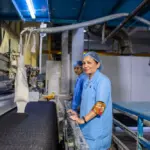
In teh heart of countless cultures around the world, rice has long stood as a staple, symbolizing sustenance, tradition, and community. passed down through generations,the methods of planting,harvesting,and processing this vital crop have remained largely unchanged for centuries. Yet, as the global landscape of agriculture shifts under the pressures of population growth, climate change, and technological advancement, a quiet revolution is underway. Innovative rice processing machines are emerging as disruptors of age-old practices, offering newfound efficiency and sustainability. This article explores how these cutting-edge technologies are not only transforming the way rice is processed but also challenging the very traditions that have defined agriculture for millennia. As we delve into this intersection of heritage and innovation, we reveal the profound implications for farmers, economies, and food systems around the globe.
Revolution or Ruin: Assessing the Unintended Consequences of Modern Rice Processing Technologies
Modern rice processing technologies promise efficiency and higher yields, yet they often provoke unintended consequences that can impact the very fabric of agricultural tradition and local economies.While the drive for productivity may seem favorable, it can inadvertently erode age-old practices that have sustained communities for generations. Key consequences include:
- Loss of Traditional Knowledge: As farmers rely on machines for harvesting and processing, the rich tapestry of traditional knowledge—techniques passed down through generations—may fade, reducing cultural heritage to mere memory.
- Economic Displacement: Smallholder farmers, who often lack the capital for mechanization, may find themselves economically marginalized, leading to a concentration of agricultural power amongst larger players and exacerbating inequality in rural areas.
To navigate these challenges, it’s essential to balance innovation with the preservation of traditional methods. Stakeholders should consider hybrid approaches that incorporate modern technology while maintaining certain artisanal practices. Hear are some recommendations:
| Recommendation | Description |
|---|---|
| Support Mixed Farming Systems | Encourage practices that integrate both traditional and modern techniques to create a more resilient agricultural ecosystem. |
| Invest in Training Programs | Equip local farmers with skills to operate new technologies effectively while also teaching the value of traditional techniques. |
| Foster Community Cooperatives | Create platforms where smallholders can pool resources to access technology without losing their identity, thereby reducing economic pressures. |
This balanced viewpoint enables not only the survival of beneficial practices but also the cultivation of innovative strategies that can lead to sustainable agricultural futures.

Beyond Efficiency: The Cultural and Environmental Costs of Disrupting Traditional Rice Farming
The introduction of innovative rice processing machines offers a compelling narrative of efficiency, yet this conversion carries significant cultural and environmental implications that merit closer examination. Traditional rice farming isn’t merely an agricultural practice; it’s a way of life deeply embedded in cultural identities and community structures.The rapid mechanization of rice production can disrupt these traditions, leading to a homogenization of farming practices that fails to respect local customs and knowledge. Key considerations include:
- Loss of Cultural Heritage: Traditional methods frequently enough incorporate centuries of knowledge, unique varieties of rice, and sustainable practices adapted to local ecosystems. Their replacement may erase diverse agricultural legacies.
- Community Displacement: The shift towards mechanization frequently enough marginalizes smallholder farmers, paving the way for larger agribusinesses to dominate local markets and resources.
- Environmental Trade-offs: While modern machines can minimize waste and improve yield, they often rely on external energy sources and produce emissions that traditional methods, such as hand-harvesting or flood irrigation, may mitigate.
Thus,balancing innovation with respect for tradition necessitates a nuanced approach. Policymakers and NGOs must engage with local communities to co-create agricultural strategies that uphold cultural values while integrating beneficial technology. Transition plans should include:
- Education on Sustainable Practices: Empowering farmers with knowledge on effective integration of machines without losing traditional agricultural techniques.
- community-led Decision Making: Ensure that local farmers have a voice in the adoption of technology, fostering ownership and stewardship over their agricultural practices.
- Investment in Research: Support research initiatives that explore sustainable agricultural innovation, preserving biodiversity, and diminishing the environmental footprints of rice farming.
Challenging the status Quo: Evaluating Alternatives to Cutting-edge Rice Processing Innovations
While cutting-edge rice processing innovations promise to revolutionize agricultural practices, it is crucial to evaluate alternatives that challenge the prevailing assumptions about technology’s role in farming. Such as, traditional methods, often dismissed as outdated, actually offer benefits that high-tech alternatives may overlook. These methods are typically more sustainable, using fewer resources and having a smaller carbon footprint. Innovations such as solar drying or community-based milling techniques could provide both efficiency and sustainability without necessitating large capital investments,thus reshaping the discourse on agricultural modernization.
Additionally, the trade-offs between technological investment and community-centric approaches warrant careful consideration. High-tech machinery frequently enough requires substantial financial outlay and technical know-how, which can disadvantage smallholder farmers. In contrast, investing in local knowledge systems and adaptive practices may yield significant long-term benefits. as a notable example, farmers who engage in mixed cropping or crop rotation can not only enhance soil health but also diversify their income streams. Thus, a balanced consideration of these alternatives reveals that disrupting traditional practices does not always mean abandoning them; rather, it may entail a nuanced integration of technological advancements with indigenous knowledge, thus fostering resilience in global agriculture.
Balancing Tradition with Progress: Navigating the Complex Landscape of Agricultural Transformation
In the quest to modernize agricultural practices, notably in rice processing, the challenge frequently enough lies in balancing the deep-rooted traditions that sustain communities with the imperative of innovation. The assumption that all technological advancements will seamlessly integrate into existing frameworks overlooks a significant nuance: traditional methods are not merely relics but vital components of cultural identity and ecological sustainability. For example,while mechanized milling may enhance efficiency,it can inadvertently displace local labor and diminish the artisanal skills developed over generations.To navigate this delicate terrain, stakeholders should consider adopting a hybrid model that respects traditional methods while incorporating selected innovations. This could involve integrating innovative rice processing machines in a manner that complements, rather than replaces, existing practices. Importantly, community training programs could foster a culture of adaptability, ensuring that any shift enhances both productivity and social cohesion.
Moreover, the transition towards modern machinery invites a closer examination of the trade-offs involved in agricultural transformation. On one hand, there is increased efficiency and potential for higher yields through the use of cutting-edge processing technologies. On the other hand, the environmental impact and potential loss of biodiversity must be carefully assessed. For instance, the move towards monoculture often heralds short-term gains but could jeopardize long-term soil health, leading to diminished returns over time. A strategic and responsible approach is necessary, emphasizing environmental stewardship. Key recommendations might include:
- Incorporating Crop Rotation: Mitigating soil depletion while preserving farming diversity.
- Utilizing Sustainable Practices: Implementing precision agriculture techniques to optimize resource use without compromising ecological balance.
- Engaging Local Stakeholders: Involving farmers in the decision-making process to ensure that their insights can shape technological adaptations.
In embracing this multifaceted approach, the agricultural sector can harness the best of both worlds—heritage and innovation—cultivating an ecosystem that thrives on progress while honoring its past.
to Conclude
As we stand at the crossroads of tradition and innovation, the transformation of rice processing practices serves as a compelling reminder of agriculture’s remarkable adaptability. The advent of cutting-edge machinery not only streamlines production but also preserves the essence of time-honored methods, ensuring that the cultural heritage of rice cultivation continues to thrive alongside technological advancement.
in this evolving landscape, farmers and producers are not merely passive participants but active architects of a new agricultural narrative—one that honors legacy while embracing the potential of modernization. As these innovative machines disrupt age-old practices, they unlock new efficiencies, reduce waste, and pave the way for sustainability in an ever-changing world.
The journey ahead is rife with possibilities, suggesting a future where tradition and technology coexist harmoniously. As stakeholders continue to explore and refine these advancements, the global rice industry stands poised for a renaissance, illustrating that progress need not come at the expense of our roots. The seeds of innovation have been sown, and as we cultivate this new era of rice processing, we are reminded that embracing change can yield a harvest rich in promise and possibility.