In teh heart of rural landscapes, where the golden fields sway gently in the breeze, rice has long been the lifeblood of many communities. Though, the journey from paddy too plate is frequently enough fraught with challenges, particularly for small-scale farmers striving to make their mark in a competitive market. Enter mini rice mills—compact,efficient,and increasingly accessible machinery that promise to revolutionize small-scale rice processing. This article embarks on an exploration of these innovative machines, delving into their myriad benefits, defining features, and the transformative role they play in empowering local farmers. As we uncover the practicality and potential of mini rice mills, we invite you to join us in understanding how these tools are redefining the dynamics of rice production, fostering sustainability, and ensuring that every grain counts.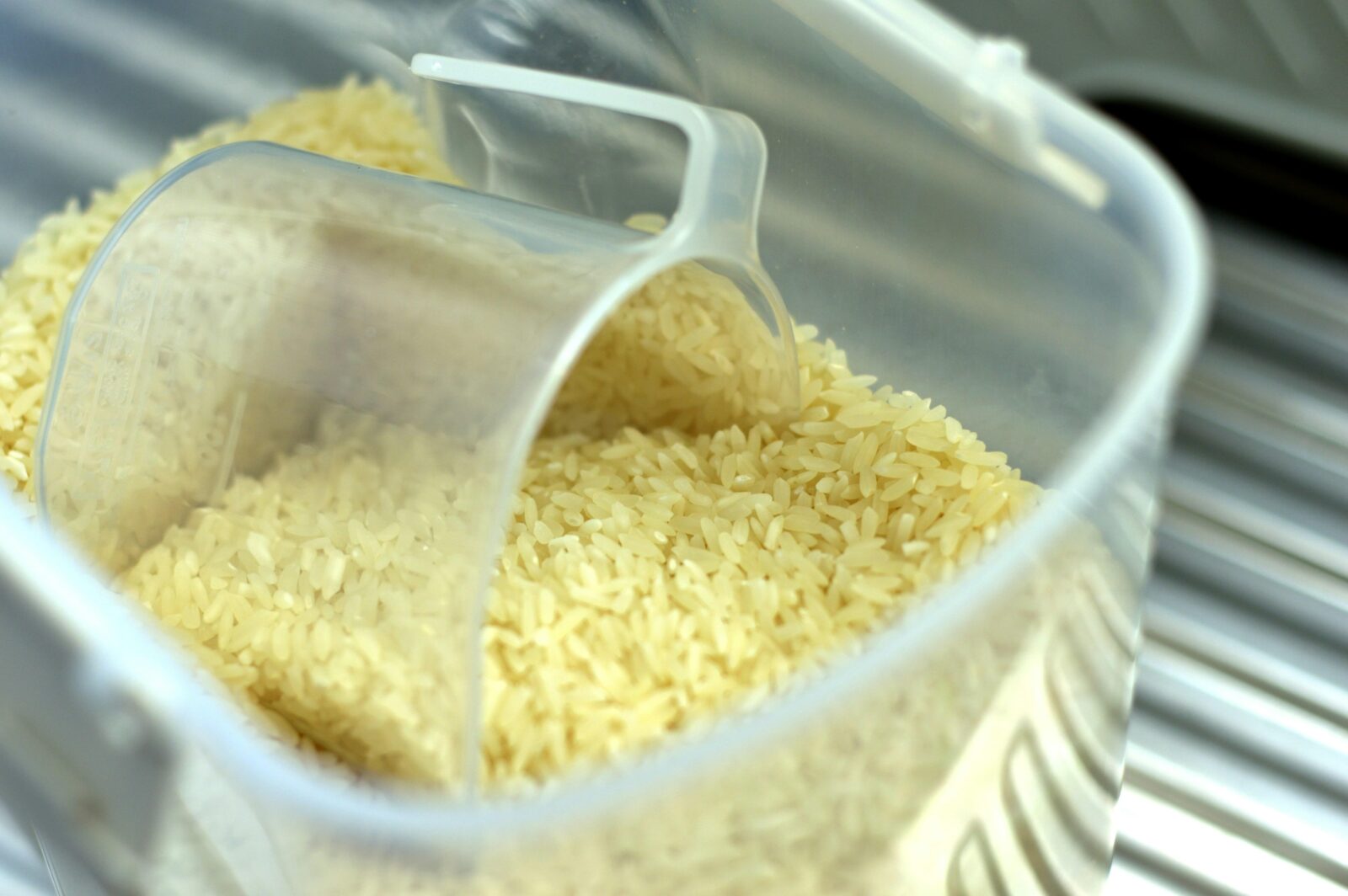
Unlocking the Potential of Mini Rice Mills in Small-scale Agriculture
Mini rice mills have emerged as a transformative technology for small-scale agriculture,offering numerous advantages that cater specifically to the needs of local farmers. By providing an economical and efficient means of processing rice, these mills enable farmers to increase their productivity and profitability. the primary benefits of adopting mini rice mills include:
- Cost Efficiency: Mini rice mills require significantly lower initial investment compared to large-scale mills, making them accessible for smallholders.
- Quality Control: farmers can process their own rice, ensuring fresher and higher quality produce while also retaining value-added products like rice bran.
- Reduced Post-Harvest Losses: With timely milling, farmers minimize the risk of spoilage, thereby maximizing their yields.
- Empowerment of local Communities: Establishing mini mills can boost local economies by creating jobs and supporting other small businesses in the supply chain.
Despite their advantages, mini rice mills also face challenges that farmers must consider. These include:
- Maintenance Needs: Proper servicing is crucial to maintain efficiency and extend the mill’s lifespan.
- Limited Capacity: Mini mills may not meet the demands of larger production volumes, requiring cooperative models or community-based approaches for scalability.
- Market access: Farmers need to establish a reliable customer base to ensure profitability, which can sometimes be a hurdle without proper marketing strategies.
To enhance the impact of mini rice mills, fostering community collaboration can be beneficial. For instance, local farmer cooperatives can pool resources for shared mills, thereby increasing processing capacity and reducing individual costs. Investments in training and education on best practices for rice milling and marketing can further empower farmers and improve their economic outcomes.
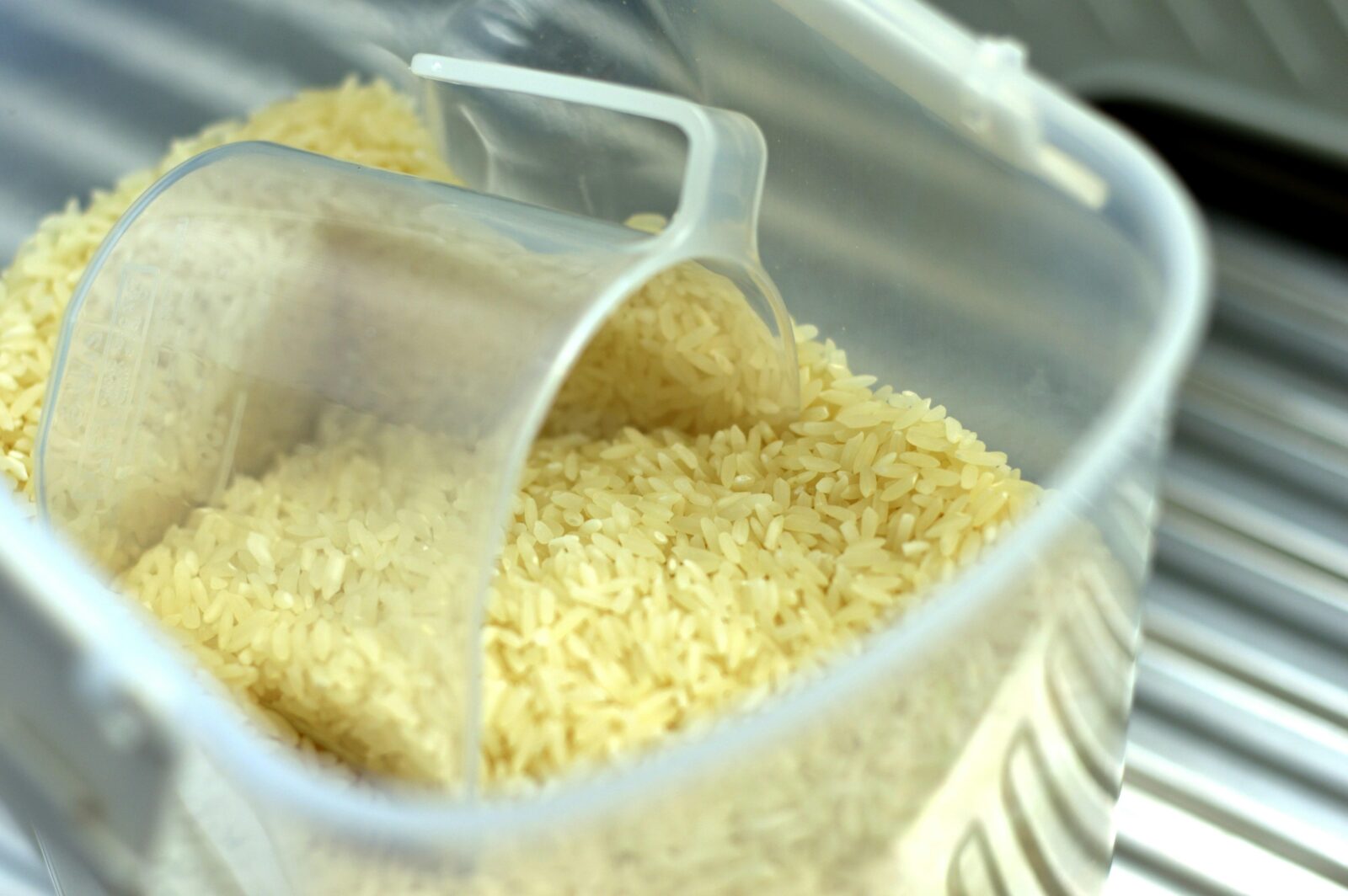
Understanding the Advantages of Mini Rice Mills for Local Farmers
Mini rice mills are emerging as a game-changer for local farmers, transforming how they process their rice and positively impacting their livelihoods. These compact machines offer a variety of advantages that cater specifically to small-scale farming operations. They enable farmers to efficiently produce rice in smaller batches, which not only preserves the quality but also significantly reduces wastage. Additionally, mini rice mills typically have lower operational costs, making them an attractive investment for farmers who might not have the capital for larger, industrial-grade machinery. Benefits include:
- accessibility: Mini rice mills are frequently enough more affordable and easier to install, making them accessible to smaller farmers.
- time Efficiency: They streamline the milling process, allowing farmers to process their grains quickly and get them to market sooner.
- quality Control: With their ability to produce higher-quality rice, farmers can improve the marketability of their products.
- Local Empowerment: By investing in local milling capabilities, farmers retain more profits compared to selling raw grain to larger mills.
Though, transitioning to mini rice mills does present some challenges. Farmers may need training to operate and maintain these machines effectively. Additionally, some areas may still lack the necessary infrastructure, such as reliable power sources. Still, the overall advantages frequently enough outweigh these hurdles. Mini rice mills can also foster local cooperation; farmers often band together to share resources, ultimately leading to a more resilient agricultural community. mini rice mills not only enhance the productivity of small-scale farmers but also contribute to the local economy by keeping the value addition within the community.
Debunking Myths: what You Really Need to Know About Mini Rice Processing
When considering the implementation of mini rice processing mills, several myths can cloud the decision-making process. One common misconception is that these systems are only suitable for large-scale operations. In reality, mini rice mills are designed specifically for small to medium-sized enterprises, providing an affordable and efficient way to process rice without the need for extensive infrastructure. They typically feature a compact design that allows for installation in smaller spaces, making them accessible even to farmers with limited resources. Additionally, mini rice mills can yield high-quality white rice, comparable to that produced by larger, industrial mills, dispelling the belief that smaller operations compromise on quality.
Another prevalent myth is that mini rice mills require significant technical expertise to operate. While some level of knowledge is beneficial, many modern models are user-friendly and come equipped with intuitive controls. Most manufacturers provide comprehensive training and support to ensure that operators can efficiently manage their systems. Furthermore, the initial investment cost and maintenance requirements are often overstated. Actually, the return on investment for mini rice mills is quite favorable due to reduced labor costs and improved processing efficiency. By understanding these realities, entrepreneurs can better appreciate the role mini rice mills play in promoting local economies and enhancing rice processing capabilities.
Choosing the Right Mini Rice Mill: Key Features that Make a Difference
When selecting the right mini rice mill, several key features can significantly influence efficiency, output quality, and overall satisfaction.Understanding these features is crucial for small-scale rice processors looking to invest wisely. Firstly, consider the mill’s capacity: choose a model that aligns with your production needs. Common options range from 100 kg to 500 kg per hour, catering to various scales of operation. Additionally, the type of milling mechanism—be it a single pass or multi-pass system—will impact the quality of the rice produced. Single pass systems are generally faster but may not yield the same polish as multi-pass systems, which are more thorough but take longer and may require more maintenance.
Another critical aspect to evaluate is the durability and maintenance of the machine. Look for mini rice mills constructed from high-quality materials that can withstand regular usage without frequent breakdowns. It’s also critically important to gauge the ease of maintenance; models with easily accessible parts can save time and reduce operating costs. Along with durability, check for features like adjustable settings that allow you to customize the milling process for diffrent rice varieties. don’t overlook the availability of customer support and spare parts. Choosing a brand with a solid reputation for service and readily available components can enhance your long-term experience with the mini rice mill.
The Way Forward
the exploration of mini rice mills unveils a transformative tool that holds amazing potential for small-scale rice processing. With their compact design, accessibility, and efficiency, these mills not only enhance productivity but also empower local farmers and entrepreneurs to take ownership of their produce. By bridging the gap between traditional methods and modern technology, mini rice mills are paving the way for a sustainable agricultural future, fostering economic resilience in communities both large and small. As we continue to navigate the challenges of food security and sustainable practices, these innovative solutions stand ready to revolutionize the landscape of rice processing, ensuring that quality, affordability, and independence are within reach for all. Whether you’re a farmer, a business owner, or an enthusiast of agricultural innovation, the impact of mini rice mills is an exciting chapter in the ongoing story of global food production.