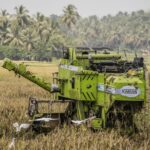
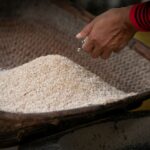
In a world where food security hangs in a delicate balance, innovative breakthroughs are emerging from the unassuming grain that has nourished civilizations for millennia: rice. As the most consumed staple food globally, rice is more than just a dietary staple; it is a lifeline for billions. Yet, despite its importance, the challenges of climate change, population growth, and economic instability threaten our capacity to feed the future. In the midst of these pressing issues, pioneers in rice processing are uncovering transformative technologies and sustainable practices that promise to revolutionize how we grow, process, and distribute this vital resource. This article explores the cutting-edge innovations that are not only enhancing rice processing efficiency but also paving the way for a more resilient food system. Join us as we delve into the journey of rice from field to plate, uncovering the potential these advancements hold for global food security and the communities that depend on it.
redefining Nutritional Landscapes: The Double-Edged Sword of Rice Processing Enhancements
The advancements in rice processing technologies have produced a paradigm shift in how we understand the nutritional value of this staple crop. While improvements such as parboiling, milling precision, and fortification can dramatically enhance the nutritional profile of rice, they come with complex implications that warrant careful consideration. As an example, the fortification of rice with essential vitamins and minerals aims to combat micronutrient deficiencies in regions heavily dependent on rice as a staple. Though, this practice can inadvertently lead to increased reliance on processed varieties and a decrease in the consumption of diverse, whole foods that are critical for a balanced diet. This trade-off highlights the need for a more nuanced approach to processing enhancements that preserves the intrinsic value of rice while making it more nutritious,rather than creating an unhealthy dependency on refined products.
Furthermore, as rice processing techniques gain traction, we must challenge the assumption that enhanced processing is universally beneficial. The increased shelf life and commercial viability of processed rice can undermine local rice varieties and traditional agricultural practices. This shift risks erasing biodiversity and jeopardizing food security in rural economies reliant on less processed, culturally meaningful rice strains. Therefore, stakeholders must adopt a more integrated perspective, promoting sustainable rice processing that balances innovation with heritage, ensuring both the enhancement of nutritional offerings and the preservation of local ecosystems. Potential recommendations include:
- Developing processing methods that maintain key nutrients while adding functional ingredients.
- Encouraging collaboration between agricultural experts and food manufacturers to preserve traditional varieties in new processing methods.
- Implementing educational campaigns that inform consumers about the benefits of whole grains and less-processed rice options.

the Green Mirage: Unpacking the Environmental Costs of Innovative Rice Technologies
Innovative rice technologies frequently enough boast of their potential to enhance productivity and sustainability,yet beneath this veneer of progress lies a complex web of environmental implications that warrant serious consideration. These technologies,which range from genetically modified organisms (GMOs) to precision agriculture techniques,can lead to short-term gains in yields but may simultaneously generate long-term ecological ramifications. While they promise to decrease the reliance on chemical inputs through improved pest resistance or water efficiency, it is crucial to recognize the trade-offs involved.
- Soil Health: Enhanced cultivation methods can lead to soil degradation over time, undermining the very resource that sustains crop production.
- Water Usage: While some innovations aim to reduce water consumption, the perpetuation of monoculture practices can deplete local aquifers, exacerbating water scarcity in rice-dependent regions.
- Biodiversity Loss: The push for high-yield varieties may marginalize traditional strains, eroding genetic diversity crucial for long-term resilience against pests and climate change.
Developing a nuanced understanding of these trade-offs is vital for policymakers. Rather than adopting a one-size-fits-all approach, an emphasis on integrated agricultural practices—or a blend of traditional and innovative techniques—could mitigate the environmental costs. This empowers small-holder farmers who often bear the brunt of ecological degradation while fostering local biodiversity. Additionally, promoting the adoption of agroecological principles could sustain both productivity and ecological integrity, positioning rice as a staple crop not just for today but for generations to come. The challenge lies in aligning innovation with environmental stewardship to avoid the pitfall of the “green mirage,” where significant gains mask underlying ecological vulnerabilities.
Food Security Versus Cultural Heritage: Navigating the Trade-offs in Rice Processing Advances
Advancements in rice processing technology, such as the development of high-efficiency milling and fortification techniques, present crucial opportunities to enhance food security in an increasingly resource-constrained world. However, these innovations often overlook the cultural importance of traditional rice processing methods, leading to a potential erosion of cultural heritage.The balance between maximizing output and preserving traditional practices becomes a complex dilemma, prompting several essential trade-offs:
- Efficiency vs. Tradition: Modern processing methods can significantly increase yield and nutritional value, yet they may sacrifice traditional practices that have sustained communities culturally and economically for generations.
- Nutritional Gains vs. Flavor Profiles: Innovations might enhance nutritional content, but the resulting rice products often fail to replicate the flavors and textures that define local cuisines, potentially alienating consumers.
Navigating these trade-offs demands a nuanced approach that recognizes the importance of local traditions while embracing innovation. stakeholders in both agricultural and culinary spheres must collaborate to find solutions that are not simply technologically advanced, but also culturally sensitive. Such as, incorporating user feedback from traditional rice farmers and chefs in the development stages of new processing technologies could lead to more refined products that honor heritage while addressing food security concerns. this coalition could yield dual value: a strengthened local food identity and an agribusiness model that fosters sustainability and resilience.
| Considerations | Innovations | Cultural Heritage |
|---|---|---|
| Output Quantity | Increased through advanced milling | Maintained through artisan practices |
| Nutritional Value | Fortified rice with vitamins | Traditional nutrient balance |
| Consumer Acceptance | Requires education on new products | Strong preference for familiar flavors |
by actively engaging diverse stakeholders and crafting a dialog that highlights the significance of cultural heritage alongside food security, the rice processing industry can develop solutions that are not merely about efficiency but also about endurance. This holistic perspective ensures that we do not throw out the cultural baby with the technological bathwater.
Challenging Conventional Wisdom: Rethinking the Future of Rice Amidst Technological Disruption
The future of rice,a staple food for over half of the world’s population,is increasingly at the mercy of disrupters in technology that challenge traditional paradigms. The prevailing assumption that higher yield and bulk production are the ultimate goals of rice cultivation is being contested by innovations that prioritize quality, sustainability, and nutrition. Advancements such as precision agriculture, which uses IoT devices and data analytics, allow farmers to optimize resource usage while minimizing waste. This challenges the conventional wisdom that more is always better; instead, a nuanced approach focusing on sustainability can yield greater long-term benefits. Here are some pivotal shifts in thought to consider:
- Quality over Quantity: As consumer preferences shift towards healthier options, premium varieties like organic or specialty rices are gaining traction. This transition necessitates a re-evaluation of farming practices that favor biodiversity.
- Local vs. Global: The global rice supply chain,frequently enough thought of as an untouchable giant,can be disrupted through local cultivation initiatives that shorten supply chains and reduce carbon footprints. This might necessitate embracing shorter growing seasons or diversifying crop rotations.
- Tech Integration: Implementing AI and machine learning can enhance monitoring of crop health, but farmers must also weigh the cost of technology against potential yield benefits. This requires a careful trade-off analysis to avoid exacerbating existing inequalities.
Moreover, the common view that technological advances should solely enhance agricultural efficiency overlooks vital dimensions such as socio-economic equity and environmental stewardship. The rise of decentralized processing units comes from a need to revitalize local economies, challenging the mindset that centralized processing is more effective. As we adapt these technologies, we must cultivate an ecosystem that encourages collaboration among stakeholders—from farmers to tech innovators—while simultaneously addressing the risk of monocropping and biodiversity loss. The table below emphasizes the potential trade-offs associated with these innovations:
| Innovation | Benefit | Risk/Trade-off |
|---|---|---|
| Precision Agriculture | Optimized resource usage | Potential over-reliance on tech |
| Decentralized Processing | Boosts local economies | Quality control challenges |
| Sustainable Practices | Improved soil health | Initial costs and learning curve |
Rethinking rice in the context of these technological disruptions not only sheds light on the complexities of food security but also prompts a bold redefinition of our objectives in agriculture. The way forward lies in adopting a holistic view that considers ecological, economic, and nutritional aspects rather than simply doubling down on inefficient legacy systems.
Future Outlook
As we stand at the intersection of tradition and technology, the transformations in rice processing illuminate a path toward a more secure food future. These innovations, embodying both the spirit of resilience and the promise of sustainability, signal a shift that extends far beyond the confines of grain. By embracing new methodologies and breakthroughs, we are not only enhancing efficiency but also redefining our relationship with food and its production.
The ripple effects of these advancements could reshape economies, empower communities, and ultimately alter the landscape of global food security. With rice at the heart of this revolution, the possibilities are as vast as the fields themselves. As we look ahead, it is imperative that we harness these innovations with a mindful approach, ensuring that the benefits reach all corners of the globe.
In the grand tapestry of agriculture,every thread—be it old or new—plays a crucial role. The challenge lies in weaving together these innovations with the wisdom of generations past, forging a future that honors both our heritage and our potential. The journey toward food security is ongoing, and together, we can cultivate a world where every grain tells a story of hope and prosperity.