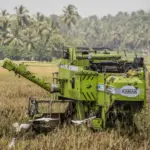
In the heart of our agricultural landscape, a quiet revolution is brewing—one that promises to transform the very fabric of rice production and propel sustainable farming into a new era. As global demand for this staple crop continues to surge, the traditional methods of rice processing are being reimagined. Welcome to a world “Beyond Grains,” where innovative technologies and ecological practices converge to create more efficient, environmentally pleasant, and economically viable solutions. This article delves into the cutting-edge advancements in rice processing equipment that are not just responding to the pressing challenges of climate change and resource scarcity but are also setting a new benchmark for sustainability in agriculture. Join us as we explore the journey of these groundbreaking innovations and their potential to reshape the future of rice farming, unlocking untapped potential for growers and the planet alike.
Innovating Beyond Tradition: The Unseen Trade-offs in Modern Rice Processing Technologies
Modern rice processing technologies have undeniably transformed the agricultural landscape, pushing the boundaries of efficiency and productivity. however, these advancements come with a set of unseen trade-offs that challenge traditional practices and force stakeholders to reassess their priorities. For one, the integration of automation and AI-driven machinery promises improved processing speed and quality. Yet, it frequently enough results in the marginalization of smallholder farmers who may lack access to capital or training necessary to adopt these technologies. Moreover, while mechanization enhances throughput, it can lead to a reduction in local jobs, directly affecting rural economies that rely on farming and processing for livelihood.
The environmental implications of modern processing methods are equally significant.High-energy consumption and the resulting carbon footprint deserve scrutiny. Although many contemporary machines boast energy-efficient features,the initial transition often requires substantial investment—both financially and technologically. Farmers must weigh the following factors before embracing new equipment:
- Cost vs. Efficiency: Does the long-term gain offset the immediate financial burden?
- Traditional knowledge vs. Technological Adoption: How can we preserve local cultivation wisdom in the face of overwhelming mechanization?
- Sustainability vs. Productivity: Are we sacrificing biodiversity for higher yields?
ultimately, a balanced approach is essential for holistic advancement. Stakeholders should consider hybrid solutions that fuse traditional and modern practices, ensuring that economic benefits align with ecological stewardship and social equity. Engaging in this nuanced dialog will shape the future of rice processing, steering it towards a more inclusive and sustainable trajectory.

Sustainable Solutions or Greenwashed Dreams? Dissecting the hype Around Rice Processing advancements
As advancements in rice processing equipment proliferate, the line between sustainable innovation and greenwashing is increasingly blurred. Industry players tout new technologies—such as energy-efficient milling machines and waste-reducing processing techniques—as revolutionary steps toward sustainability. However, a closer evaluation reveals that these claims often lack clear metrics and rigorous environmental assessments. It’s vital to distinguish between genuine advancements and mere marketing fluff. Key indicators of genuine sustainability include:
- Energy Efficiency: Look for equipment backed by third-party certifications that verify lower energy consumption.
- Waste Management Solutions: Evaluate whether new machinery incorporates mechanisms for utilizing by-products, minimizing environmental impact.
- durability and Lifespan: Sustainable solutions should prioritize longevity over short-term gains, reducing the frequency of replacements.
Moreover, the industry needs to grapple with inherent trade-offs. For instance, while some new technologies may reduce emissions, they could also raise upfront costs for farmers already operating on thin margins. Nuanced recommendations include advocating for pilot programs that allow farmers to test these innovations at reduced costs before wider adoption. This approach balances the risk while facilitating informed decision-making. Beyond just short-term metrics like yield increases or energy use reductions, stakeholders should push for holistic evaluations that account for the entire lifecycle of the equipment—from manufacturing impacts to end-of-life recyclability. Manufacturers must prioritize transparent reporting on these dimensions to genuinely contribute to sustainable agriculture rather than merely riding the wave of environmental consciousness.
The Dark Side of Efficiency: Evaluating Environmental Impacts of Next-Gen Rice Milling Equipment
The advent of next-generation rice milling equipment promises notable improvements in processing efficiency. However, the quest for efficiency often masks underlying environmental costs and challenges. While these advanced machines can significantly reduce energy consumption and waste production, they may inadvertently encourage practices that contribute to environmental degradation. Here are several considerations that highlight the complexities of this innovation:
- Resource Intensification: New milling technologies can streamline operations, but they may bolster monoculture practices, placing greater pressure on rice ecosystems by diminishing biodiversity.
- Energy Sources: While efficiency metrics often focus on reduced energy usage, the sustainability of the energy sources powering these machines is critical. A shift towards renewable energy can enhance the green profile of the milling process.
- Waste Management: Innovative equipment can minimize waste but might also generate by-products that require careful disposal. An integrated approach to by-product utilization can mitigate environmental harm.
Decision-makers must critically assess the trade-offs that accompany the deployment of cutting-edge rice milling technologies. While the allure of increased efficiency is compelling, it is essential to challenge the assumption that technological solutions alone can lead to sustainable agriculture. Effective environmental stewardship must involve:
| Consideration | Recommended Action |
|---|---|
| Holistic Ecosystem Assessment | Conduct a thorough analysis of how new technologies impact surrounding ecosystems. |
| Circular Economy practices | Implement systems where by-products are transformed into valuable resources rather than waste. |
| Community Engagement | Involve local stakeholders in decisions to ensure sustainable methods align with traditional practices. |
By recognizing these dimensions, stakeholders can make informed decisions that balance efficiency with ecological responsibility, paving the way for a truly sustainable future in rice processing.
Reimagining Rice for Tomorrow: Strategic Choices in Technology That Shape Agricultural Resilience
Investment in technological innovation within rice processing must prioritize sustainability and efficiency. Conventional rice production frequently enough relies on outdated practices that exacerbate resource depletion,specifically water and energy. Embracing cutting-edge technology offers potential pathways to enhance resilience against climate variability. As an example, adopting precision agriculture techniques, such as real-time data analytics and soil health monitoring, can optimize input utilization, reducing costs and environmental impacts. However, this is not without trade-offs. While integrating smart sensors can lead to substantial resource savings, the initial capital investment and the need for training farmers to operate sophisticated machinery can pose significant barriers, notably in developing regions. A balanced strategy might involve a phased approach, where foundational level training on sustainable practices precedes advanced technology adoption.
Moreover, it’s crucial to challenge the assumption that automation is universally beneficial in rice processing. While automation can enhance throughput and reduce labor costs, it also risks alienating smallholder farmers who depend on manual labor for their livelihoods. instead, a hybrid model could be more appropriate, where basic automated systems are complemented by labor-intensive methods that foster community engagement and local employment. The integration of biotechnology into the growth of resilient rice varieties is another avenue worth exploring. by creating strains that require less water and are more resistant to pests, stakeholders can ensure food security while minimizing the agricultural footprint.It’s essential, however, to weigh these benefits against potential ecological consequences and the sociopolitical implications of biogenetic regulations that may limit seed sharing among farmers.
The Way forward
As we stand on the cusp of a new era in sustainable agriculture, the innovations in rice processing equipment represent more than just technological advancement; they symbolize a commitment to the future of food security and environmental stewardship. The transition from traditional methods to more efficient, eco-friendly practices is not merely a shift in machinery but a fundamental rethinking of how we engage with our planet’s resources.
In embracing these changes, we unlock the potential for a more resilient agricultural system—one that not only meets the demands of a growing population but also nurtures the health of our ecosystems. The journey beyond grains is one of collaboration, innovation, and a shared vision for a sustainable future.As we move forward,let us continue to explore,adapt,and push the boundaries of what is possible in rice processing and beyond,ensuring that our agricultural practices reflect our values and aspirations for generations to come. The next frontier is not just about harvesting grains; it’s about reaping a sustainable, equitable, and thriving world.