Understanding Combined Mini Rice Mills: Background,Operation,and Impact on Small-Scale Farming
In the verdant fields of rural landscapes,where the sun rises over emerald rice paddies,a quiet revolution is taking place. The combined mini rice mill stands at the forefront of this transformation, redefining the dynamics of small-scale farming. As communities grapple with the challenges of modern agriculture—from labor shortages to the pressing need for efficiency—the advent of compact milling technology offers a glimmer of hope. But what exactly are these innovative machines, and how do they function within the intricate tapestry of smallholder farming?
In this article, we embark on a journey to explore the world of combined mini rice mills, delving into their origins, operational mechanics, and the profound impact they exert on small-scale farmers. By understanding these mills, we can unveil their potential to not only enhance productivity but also to empower local communities, bolster economies, and safeguard food security. Join us as we uncover the nuances of this pivotal technology and its vital role in reshaping sustainable agriculture for generations to come.

exploring the Evolution of Mini Rice Mills in Agricultural Practices
The evolution of mini rice mills has significantly transformed agricultural practices, particularly for small-scale farmers. To make the best use of these innovations, consider the following practical aspects:
- Assess local needs: Before investing in a mini rice mill, conduct surveys or discussions with local farmers to understand their specific needs, including preferred rice varieties and processing methods. Aligning the mill’s capabilities with local agricultural conditions ensures optimal usage.
- Choose the right model: Not all mini rice mills are created equal. Research models that offer features tailored for your local rice varieties, like moisture control or husk removal efficiency. Such as,a mill with adjustable milling pressure can help customize the processing for different rice qualities.
- Consider maintenance and support: Investigate the availability of spare parts and technical support for the brand you’re considering. Regular maintenance enhances longevity and performance, reducing downtime. Check online reviews or local forums for feedback on service reliability.
- Test processing capacity: Some mills may promise high output but may fall short under real conditions. Pilot testing a few processes at lower capacities before full-scale implementation can prevent costly mishaps.
Be mindful of common pitfalls that might undermine the benefits of mini rice mills:
- Neglecting power supply: Ensure a reliable and adequate power source is available. Some areas may experience fluctuations; engage with local energy providers to secure uninterrupted service.
- Ignoring environmental impact: Evaluate waste management,particularly in husk disposal. Implementing a plan for using byproducts in composting or bio-energy can optimize resource use and reduce environmental harm.
- Underestimating training needs: Proper operation requires skilled personnel. Organize training sessions for operators on efficient usage and troubleshooting. Collaborating with agricultural extension services can provide valuable insight.
By focusing on these key aspects, small-scale farmers can successfully integrate mini rice mills into their practices, promoting sustainability and enhancing productivity while navigating the evolving landscape of agricultural technology.
Mechanics of operation: how Combined Mini Rice Mills Function
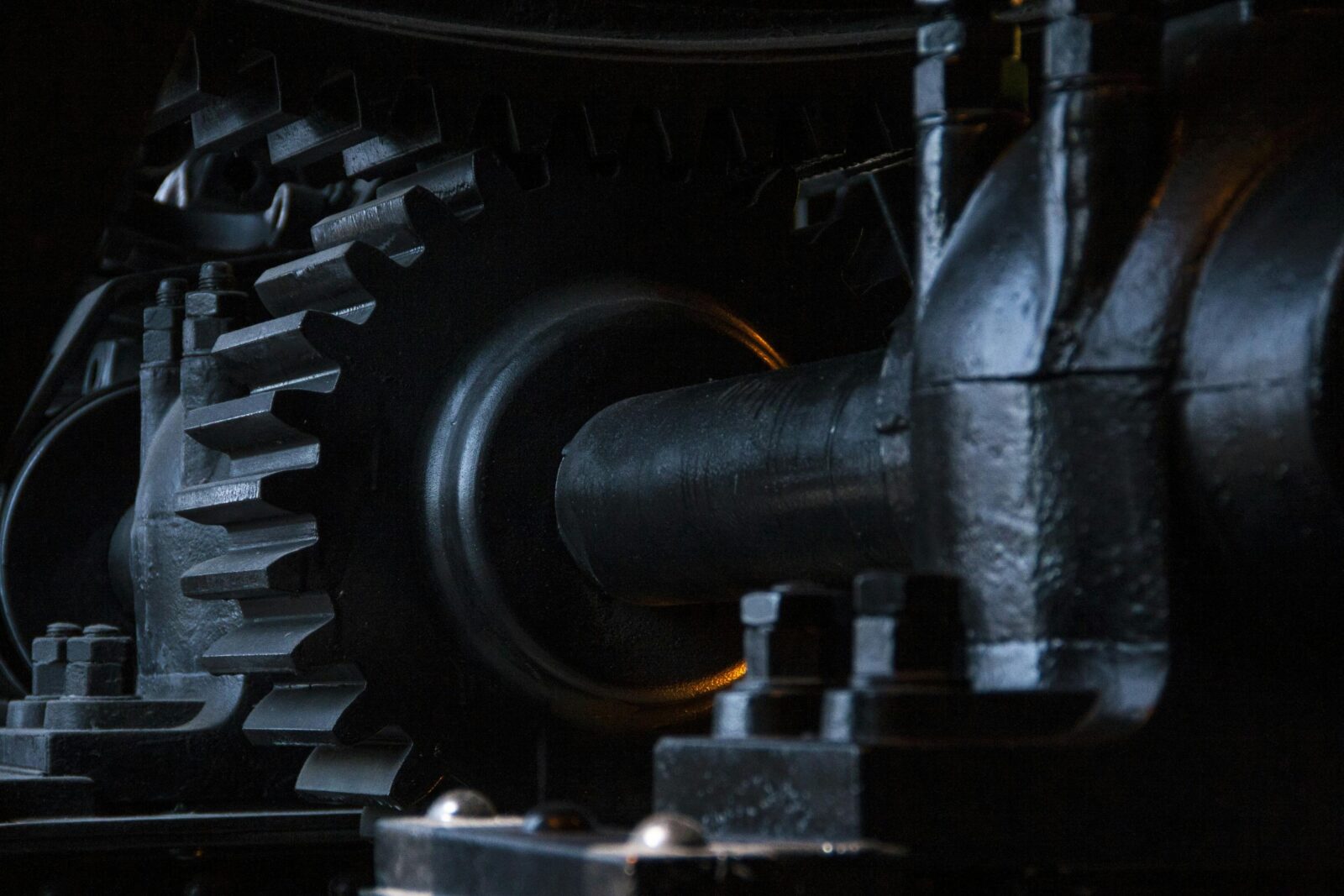
Understanding the mechanics of combined mini rice mills can significantly enhance their operational efficiency, making it crucial for small-scale farmers to grasp how these machines function. A combined mini rice mill integrates both the milling and husking processes into one compact unit, which not only saves space but also optimizes energy use and reduces labor costs. When operating these mills,pay close attention to the following points:
- Component check: Regularly inspect essential components like the husking chamber,milling chamber,and motor. Ensure that they are clean and free from any obstructions. Residue buildup can hinder performance and lead to inefficiencies.
- Moisture Content of Grain: Measure the moisture content of the rice before milling. Ideally, it should be between 14-20%. Excess moisture can lead to poor milling quality and increased breakage.
- Operating Speed: Adjust the speed settings on the machine according to the grain type. As a notable example, handling basmati rice requires slower speeds to reduce grain breakage.
Moreover, small-scale farmers often face issues due to machine overload or improper usage. To avoid these common pitfalls:
- Max Load Capacity: Always adhere to the manufacturer’s suggested load capacity. Overloading the mill can result in motor failure or damaged components.
- Routine Maintenance: Implement a routine maintenance schedule. Cleaning and lubricating parts prevent premature wear and helps maintain consistent performance.
- Supplier Selection: When purchasing a mini rice mill, choose reputable suppliers who offer warranty and service options. This will not only ensure quality but also place you in a better position for support in case of operational issues.
Economic Benefits: Enhancing Profitability for Small-Scale Farmers
Implementing combined mini rice mills can significantly enhance profitability for small-scale farmers. To maximize economic benefits, farmers should frist conduct a feasibility study. Consider the following aspects:
- Location: Ensure the mill is strategically located near rice-growing areas to reduce transportation costs.
- Capacity: Assess the milling capacity needed to meet local demand without underutilizing the machine.
- Investment: Evaluate startup costs versus potential income. Small-scale farmers should explore cooperative funding options, such as pooling resources with neighboring farms.
Common pitfalls include overextending on machinery investment, which can lead to financial strain. Farmers should also consider running the mill during peak seasons when local demand for processed rice increases. For a more sustainable approach,adopting a share-milling model can be beneficial,allowing risks and costs to be distributed among multiple users. Here’s a decision-oriented table summarizing key considerations:
| Consideration | Action | Expected Outcome |
|---|---|---|
| Market Research | Identify local buyers and demand trends | Higher sales and better pricing |
| Maintenance | Establish a routine for equipment upkeep | Minimized downtime and extended machine life |
| Quality Control | Implement grading systems for rice | Improved customer satisfaction and loyalty |
Farmers should actively participate in training programs focused on efficient milling practices to further boost productivity. Additionally, leveraging local market connections for better distribution and possibly engaging in direct sales can vastly improve profit margins. Building relationships with other farmers to share insights and experiences will provide ongoing learning opportunities that contribute to smarter choices in the evolving rice market.
best Practices for integrating Mini Rice Mills into Modern Farming Systems
Integrating mini rice mills into modern farming systems requires careful planning and execution. Here are some key practices to consider:
- Assess Your Needs: Before investing in a mini rice mill, evaluate the quantity of rice you plan to process and your target market. This helps in selecting a machine with appropriate capacity. As a notable example, if you process over 500 kg of paddy daily, choose a mini mill with a minimum capacity of 1 ton per day.
- Site Selection: Choose a location that is easily accessible for transporting both raw paddy and processed rice. Proximity to water sources is also crucial for cleaning the rice effectively.
- Maintenance Schedule: Develop a routine maintenance schedule. Common issues such as clogging or mechanical failure can frequently enough be avoided with regular checks. Lubricating moving parts, checking belts, and cleaning dust filters weekly can enhance performance.
- Training Operators: lack of operational knowledge can lead to inefficiencies. Organize training sessions focusing on the mill’s operation, troubleshooting, and maintenance. Consider appointing a lead technician to guide new operators.
In addition to the above,understanding how to manage output quality is crucial:
| Quality Parameter | Best practices |
|---|---|
| Moisture Content | Ensure paddy is dried to 14-18% moisture before milling |
| Milling Process | Use a two-pass milling system for better husk removal and higher recovery rates |
| Post Processing | Implement a quality check to sort out broken grains and ensure packaging is air-tight |
Engaging with local agricultural extension services can provide ongoing support and updates on best practices,ensuring you remain informed about any new techniques or technologies that can enhance productivity. Monitoring input costs versus profit margins regularly will enable you to make informed decisions about scaling up operations or diversifying your product offerings.
Wrapping Up
the combined mini rice mill stands as a transformative tool in the landscape of small-scale farming, bridging the gap between tradition and innovation.As we have explored, the origins of these mills reflect a deep-seated need for efficiency and sustainability in rice production, while their operation demonstrates an integrated approach to processing that empowers farmers and enhances productivity. The measurable impact on local economies, food security, and rural livelihoods cannot be overstated; these mills are not merely machines but catalysts for change in the agricultural sector.
As we look toward the future, it is crucial to recognize the role of technology in shaping the prospects of small-scale farmers.The ongoing evolution of combined mini rice mills holds promise for a more resilient agricultural framework where farmers can thrive amidst challenges. By understanding their background, operation, and impact, we can better appreciate the importance of such innovations in fostering sustainable farming practices. Ultimately, the journey of the combined mini rice mill continues to unfold, inviting us all to participate in a narrative of progress, sustainability, and empowerment in the world of agriculture.