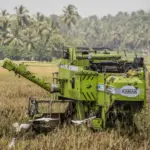
In teh heart of agricultural innovation lies a transformative technology that has reshaped the landscape of food production: the auto rice mill. As societies progress and the demand for efficient, quality food processing heightens, these sophisticated machines stand as pillars of modern agriculture. But what exactly is an auto rice mill, and why is it garnering so much attention in today’s farming practices? In this article, we will delve into the multifaceted functions of auto rice mills, explore their myriad benefits, and examine the profound impact they have on both small-scale farmers and global rice supply chains. Join us on this journey to understand how these marvels of engineering are not just changing the way rice is milled, but are also playing a crucial role in shaping the future of food security and sustainable agricultural practices.
Exploring the Core Functions of Auto Rice Mills in Modern agriculture
Auto rice mills play a crucial role in the rice production chain, offering a wide array of essential functions that enhance efficiency in processing and distribution. To leverage these benefits, consider the following practical steps:
- Assess Your Production Volume: Before selecting an auto rice mill, calculate your average yield. For small-scale operations,a mill with a capacity of 500-1,000 kg per hour might suffice. However, larger operations could benefit from mills that process over 3,000 kg per hour.
- Evaluate Milling Features: Look for mills equipped with features like husking, polishing, and grading. Specifically, consider those that utilize modern technology like rubber roll huskers or eco-friendly polishing systems.
- Check Maintenance Needs: A common misstep is overlooking the maintenance requirements of the mill. Opt for models with readily available spare parts and a user-friendly maintenance guide, which can definitely help reduce downtime immensely.
Additionally, understanding the logistical aspects of rice milling can streamline your operations:
| Consideration | Proposal |
|---|---|
| Location | Choose a location close to your supply chain to minimize transportation costs. |
| Labor Skills | Invest in training for staff to handle machinery effectively, reducing the risk of errors and accidents. |
| Quality Control | Implement a systematic quality control process, ensuring consistency in your final product. |
By focusing on these critical aspects and making informed choices regarding auto rice mills,you can significantly improve the efficiency and profitability of your agricultural operations.
The Advantages of Auto Rice Mills: Efficiency, quality, and Sustainability
The advantages of auto rice mills extend beyond mere convenience; they significantly enhance overall rice production efficiency and quality while promoting sustainable agricultural practices. When considering the implementation of an auto rice mill,prioritize checking the mill’s capacity and technology compatibility with your existing farming practices. look for mills that utilize modern technology, such as optical sorting and automated moisture control systems, which can drastically reduce waste and improve final product quality. Here are some essential factors to evaluate:
- Efficiency: Ensure the mill you choose has a high throughput rate—ideally, over 1 ton per hour—to match your production goals.
- quality Control: Opt for mills with integrated quality assessment tools that can monitor the rice grading process for better marketability.
- Energy Usage: Investigate energy-efficient models that can lower operational costs. For example, a mill that can operate on renewable energy sources can save costs long-term.
Common pitfalls frequently enough include selecting mills that do not fit the scale of production or opting for lower-priced options that compromise quality. It is advisable to conduct a thorough needs assessment before investing.Assess operational ease—mills that require frequent maintenance or have complex operational processes can lead to downtime, negatively impacting your supply chain. Additionally,consider mills from reputable brands known for their durability and customer support. A good practice is to request a demo or visit an existing operation to see the mill in action, ensuring it fulfills your expectations. A decision matrix can help in contrasting essential features, costs, and supplier support:
| Model | Capacity (Tons/Hour) | Price | Support Offered |
|---|---|---|---|
| Model A | 1.5 | $50,000 | 24/7 Customer Support |
| model B | 2.0 | $65,000 | Monthly Maintenance Checks |
| Model C | 1.0 | $30,000 | limited Support |
Making smarter choices about auto rice mills involves understanding both the operational benefits and the economic impact. By following this practical approach and conducting thorough research, you can invest in a solution that ultimately uplifts production efficiency and supports sustainable practices in your agricultural endeavors.
Transforming the Agricultural Landscape: the Impact of Auto Rice mills on Rice Production
Auto rice mills are revolutionizing rice production by enhancing efficiency and quality. For farmers and agricultural entrepreneurs looking to invest in or upgrade their operations, it’s crucial to focus on the right technological choices. Here are some key considerations:
- Assess Equipment Needs: Determine the scale of your production and select machinery that aligns with your output goals. As a notable example, a smaller mill might serve a cooperative of local farmers, while a larger facility could cater to regional demand.
- Energy efficiency: Choose mills designed for minimal energy consumption. Not only will this reduce operational costs, but it will also have a lower environmental impact. Look for equipment with the latest energy-efficient features.
- Quality of Product: Invest in auto rice mills with advanced sorting and grading technology. Mills that ensure uniformity in grain quality can command higher prices in the market.
However, there are common pitfalls to avoid when utilizing auto rice mills. For example, inadequate maintenance can lead to meaningful downtime, affecting production schedules.Here’s what works better:
| Common Issues | Solutions |
|---|---|
| Misaligned machinery | Regular calibration and staff training |
| Quality inconsistency | Routine quality checks and proper settings |
| Poor after-sales service | Choose suppliers with strong support networks |
By making informed decisions on technology investment, maintenance practices, and supplier partnerships, you can greatly enhance your rice production capabilities and ensure a sustainable operation that meets market demands.
Best Practices for Implementing Auto Rice Mills in Farming Operations
to successfully implement auto rice mills in your farming operations, focus extensively on thorough research and planning. First, conduct a detailed analysis of your farm’s production capacity and environmental conditions. This will help you determine the appropriate size and model of the auto rice mill to invest in. Here are some crucial steps to follow:
- Evaluate Current Yield: Assess your rice yield and quality to identify your processing needs. For example, if you are producing 200 tons of paddy annually, consider a mill that can process that volume efficiently.
- Check Specifications: Ensure that the milling capacity matches your production needs. Mills typically range from small (500 kg/day) to large (over 5 tons/day). Choose one that balances both price and efficiency.
- Consider Energy Sources: Evaluate the availability of power in your area. If electricity is unreliable, a diesel-powered mill may be necessary.
Next, recognize common pitfalls in the implementation of auto rice mills. One major issue arises from improper installation and lack of staff training. ensure that the suppliers provide proper installation services and that your team receives comprehensive training on the machine’s operation and maintenance. Regular maintenance schedules should also be established to prevent unexpected breakdowns. For example, not cleaning the hulling chamber regularly can lead to decreased efficiency and quality. To enhance productivity further, consider forming farmer cooperatives to pool resources, share equipment, and train operators collectively, thus maximizing the potential of your milling operations.
Key Takeaways
the evolution of auto rice mills marks a significant milestone in the landscape of modern agriculture. These sophisticated machines not only streamline the rice milling process but also amplify efficiency, reduce labor costs, and ensure higher quality output for consumers. As we unravel the intricate layers of their functions and benefits, it becomes evident that auto rice mills are not merely technological advancements; they are vital tools reshaping the agricultural framework.
With their ability to enhance productivity and minimize waste, these mills play a crucial role in addressing food security challenges and supporting farmers in an ever-changing economic climate. By embracing innovation, we can foster a sustainable agricultural future where technology and tradition coexist harmoniously. As we move forward, understanding the impact of such machinery will empower stakeholders to make informed decisions that can drive growth and cultivate resilience in the agricultural sector. The journey of auto rice mills is just begining, and their influence will undoubtedly resonate for generations to come.