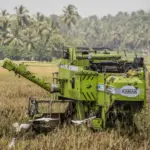
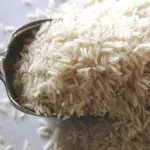
Shining Through the Grain: The Journey of a Rice Polisher and the Heart of Culinary Tradition
In the heart of culinary traditions that span continents and cultures, few ingredients command the reverence and meaning of rice.This humble grain, a staple for billions, serves not just as sustenance but as a canvas upon which countless culinary tales are painted. At the core of this grain’s conversion from field to feast lies an unsung hero—the rice polisher.Our journey today delves into the intricate artistry and dedication involved in rice polishing,illuminating a craft often overlooked in the hustle of modern gastronomy. as we peel back the layers of this meticulous process, we discover not only the connection between the polisher and the rice but also the steadfast thread that links generations of culinary traditions to the plates of the present. Join us as we explore the shimmering path of the rice polisher, celebrating their role in preserving a legacy that nourishes both body and soul.
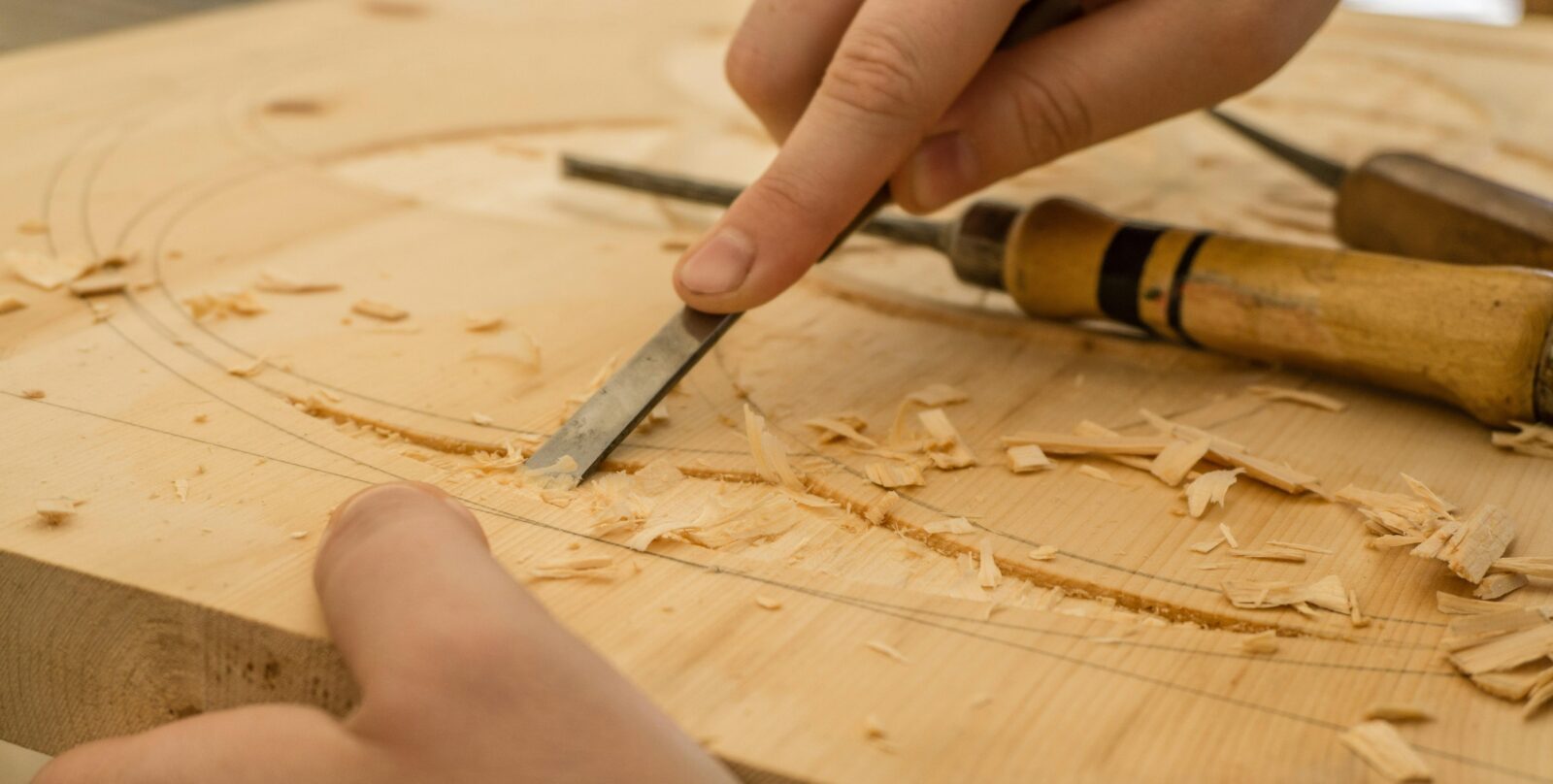
crafting Perfection: A Day in the Life of a Rice Polisher
As dawn breaks over the rice fields, the rhythmic sound of machinery fills the air, marking the start of the rice polisher’s day. Otis, a seasoned rice polisher with over a decade of experience, arrives at the facility just as the sun peeks over the horizon. His morning begins with a thorough inspection of the polishing machines,a task that requires both technical acumen and a keen eye for detail. One of his daily rituals includes checking the moisture level of the rice and assessing the condition of the polishing stones. This seemingly mundane task holds paramount importance: to much moisture can lead to uneven polishing, while dull stones may scratch the precious grains. With his hands stained white from the rice dust, Otis thinks back to when he first started this job, filled with idealistic thoughts of shining grains glistening in the sunlight, only to realize that perfection lies in the nuances of technique and patience.
After ensuring that the machines are calibrated perfectly, Otis prepares for the main process — polishing the rice. Each bag of rough rice is fed into the machine, where it begins a transformation. Gradually, the poles work their magic, removing the outer bran layers while retaining the vital nutrients and flavour.As he operates the machine, Otis is reminded of the delicate balance between texture and taste. The ideal result? A grain that not only looks stunning but also elevates the culinary experience. Over the years, he has learned to adjust the pressure settings intuitively, often reflecting on a mantra shared by his mentor: “Know the rice, and it will tell you what it needs.” He recalls a notably challenging batch last autumn that yielded less than stellar results — too polished and lacking the hearty texture that many customary dishes demand. The lesson? Sometimes, less is more, and understanding the rice’s character is essential for achieving culinary excellence.

the Weight of tradition: Navigating the Challenges of Culinary Heritage
Culinary heritage often carries the weight of tradition, steeped in history and familial ties. For many, food is more than just sustenance; it’s a connection to culture and identity. Take, for instance, the story of Maria, a second-generation rice polisher in a small village. Each day, she carefully selects grains of rice, practicing the meticulous techniques passed down through generations. However, Maria finds herself at a crossroads. On one hand, she feels the pressure to innovate and modernize her process, responding to the ever-evolving tastes of customers who crave convenience. On the other hand, there’s a profound respect for her grandmother’s tradition of polishing rice by hand, where each grain was treated as a precious element of a family recipe. In moments like thes, Maria weighs her decision against the expectations of her community and her desire to create a lasting future for her craft.
This internal struggle is emblematic of many culinary artisans today. The challenge lies in blending time-honored methods with modern-day demands.Consider another example: Tom, a chef who inherited his mother’s recipe for paella. His family wanted him to stick to the original method, utilizing diverse seafood and a specific type of rice that was difficult to source. However, Tom recognized that some ingredients came with steep prices or were simply unavailable in his region. Choosing to substitute elements drew ire from purists but also garnered praise from younger patrons seeking local twists. Through these experiences, tom learns an invaluable lesson: tradition is not static. It evolves, just as the tastes of those who cherish it do. balancing heritage and innovation requires thoughtful navigation of personal convictions and market realities, ultimately cultivating a richer, more inclusive culinary narrative.
From Grain to Plate: Discovering Connections in Every Polished Kernel
In the heart of Asia, Leila, a dedicated rice polisher, wakes up before dawn each day. Her modest workshop, filled with the earthy aroma of fresh rice, is where the transformation begins. as she sifts through heaps of raw grains,the weight of her task settles on her shoulders. Each polished kernel is more than just a product; it represents the sustenance of countless families. Leila often reflects on her childhood, recalling how her grandmother would insist on using only the best rice for special family meals, believing that the quality of the grain directly impacted the love shared at the table. This philosophy is not merely a tradition for Leila; it’s a driving force. Armed with her hand tools and years of experience,she carefully packages the rice,envisioning it served steaming hot in homes across the country.
The decision to continue her family’s rice polishing legacy came with its own challenges. Initially, Leila struggled with the modern methods that promised faster output but compromised quality. A pivotal moment arrived when she decided to return to traditional techniques, despite the risk of falling behind competitors. The results spoke for themselves; her polished rice gained popularity in the local market. Through her journey, she learned that the connection between the producer and the consumer is essential. Customers now seek out her rice not just for its quality but for the story that accompanies each grain. This is evident in her weekly visits to the nearby market, where the smiles and gratitude of her customers energize her passion. As she hands over a bag of polished rice, she knows that with every sale, she nurtures that connection between grain and plate—an unbroken lineage of culinary tradition that transcends generations.
Surprises in Simplicity: Lessons Learned from the Kitchen and Beyond
There is a certain rhythm to the kitchen that reveals itself in the simplest of tasks, often overlooked amid the hustle of meal prep. As a rice polisher, I learned early on that the success of a dish often lies not in complex techniques but in the art of attention to detail. Take the instance when I ventured to experiment with brown rice for the first time; I expected that less processing would mean a more challenging cook, full of trial and error. Rather, what unfolded was an unexpected lesson in patience. Modifying my usual water ratio led to a beautifully chewy grain rather than the mushy texture I feared. It was a moment where simplicity triumphed, teaching me that sometimes less involvement in the refinement process yields greater rewards. This was a gentle reminder that the essence of cooking often thrives within the natural state of ingredients rather than within modifications undertaken in haste.
The surprises in simplicity are not confined to the kitchen. In a moment of decision-making outside of work, I found myself at a crossroads: join a high-profile culinary competition that promised fame but required critically important time and energy, or take the route less traveled by refocusing on community workshops. Challenging the narrative of what “success” should look like, I chose to invest my time in teaching others, finding profound satisfaction in their developing skills. The result was a rich tapestry of shared stories and recipes, reigniting my passion for culinary traditions while also reinforcing the importance of sharing knowledge. These workshops became vibrant spaces of connection, highlighting that the basic lessons learned about rice polishing—emphasizing detail, tradition, and community—are far more fulfilling than any trophy could ever symbolize. In essence, the beauty of culinary arts lies not only in what one creates but also in the stories and relationships built along the way.
The conclusion
As we conclude our exploration of “Shining through the Grain,” we are left with a profound thankfulness for the rice polisher—not merely a craftsman, but a guardian of tradition and a bridge between the past and the future. Each grain polished is a testament to the labour, care, and artistry that has been passed down through generations, embodying the heart of culinary heritage. In a world that increasingly values speed and convenience,it is essential to pause and reflect on the stories behind the foods we cherish. The journey of the rice polisher reminds us that true culinary artistry takes time, patience, and a deep connection to the land and its history. As you savor your next bowl of rice, may you remember the hands that brought it to life and the traditions that continue to shine through each polished grain.