
In the intricate tapestry of our global food supply chain, few threads are as vital yet often overlooked as that of rice milling. This process, a bridge between the lush green paddy fields and the bustling markets, plays a crucial role in transforming raw grains into the staple food that nourishes billions. From the rhythmic hum of machinery to the meticulous attention of mill operators, rice milling embodies a fusion of tradition and technology that ensures the quality and availability of this essential commodity.As we delve into the world of rice mills, we will unpack their multifaceted functions, explore diverse processing techniques that enhance the grain’s edibility and storability, and examine the economic ramifications they hold for communities and nations alike.By illuminating the intricate dynamics of rice milling, we aim to foster a deeper understanding of its impact on food security, rural advancement, and the broader agricultural landscape. Join us on this journey to appreciate the unsung heroes of the food supply chain as we decode the grains that feed our global populace.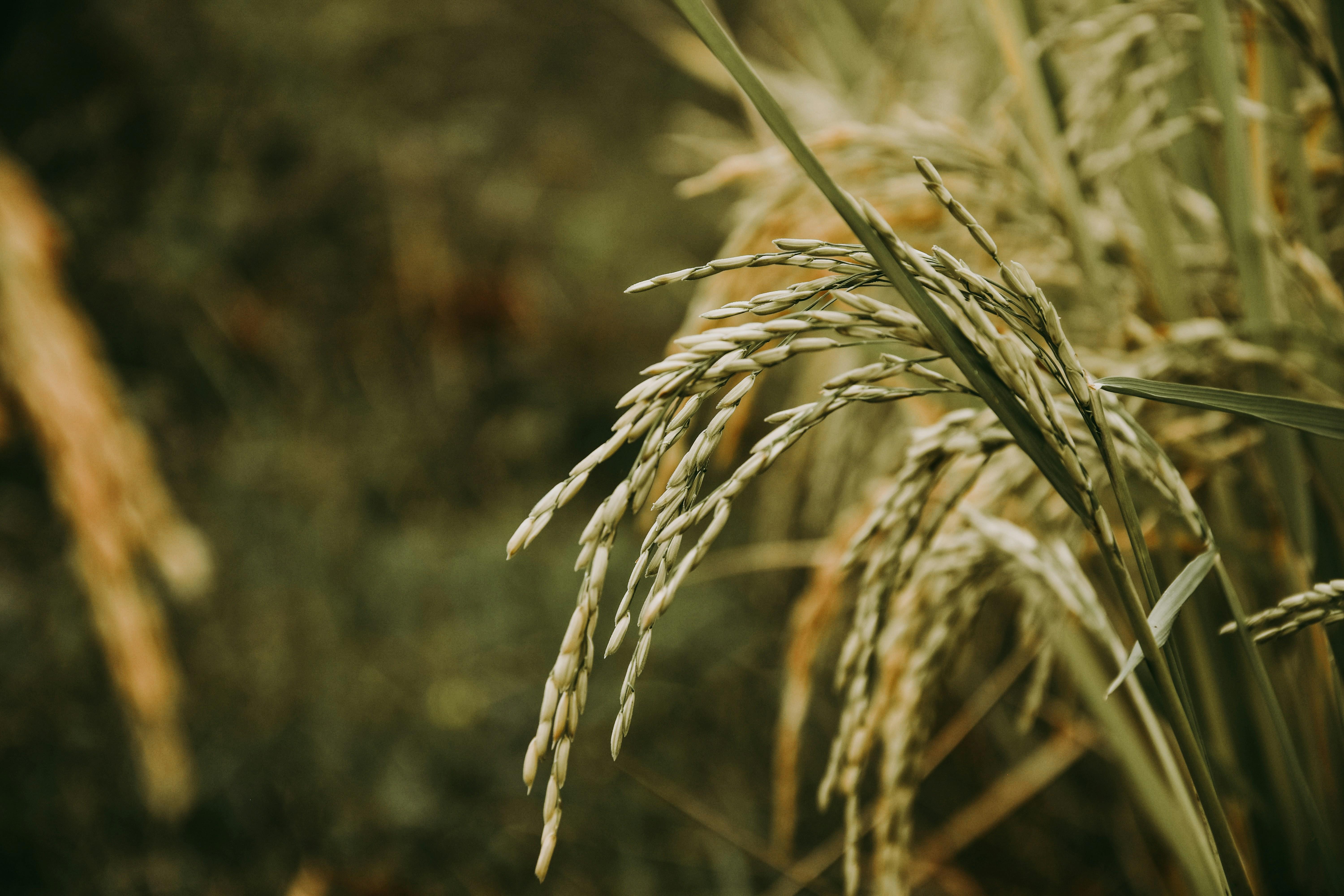
Exploring the Essential Role of Rice Mills in the global Food Supply Chain
Rice mills serve as a crucial link in the global food supply chain, transforming harvested rice into a market-ready product. To leverage their role effectively, stakeholders—including farmers, distributors, and consumers—should focus on several practical aspects:
- Quality Assessment: Verify the milling process used by rice mills.High-quality mills frequently enough use modern methods like paddy husking and white rice production that minimize grain breakage and preserve nutritional value.
- Sourcing: Choose rice mills with established supply chains. Ideally, mills should source rice locally to reduce logistical costs and offer fresher products. For instance, mills in India often source from local farmers, enhancing product quality and community support.
- Compliance Check: Ensure that rice mills adhere to food safety standards (e.g., HACCP, FSSAI). This protects end consumers and contributes to market reliability.
However, common pitfalls often arise throughout this supply chain, such as poor storage practices that can lead to spoilage and contamination. To prevent this,stakeholders could implement a just-in-time inventory system,wich ensures that rice is processed and sold quickly—thereby maintaining its quality. Additionally, consider these strategies:
- Invest in Technology: Mills that use advanced technology for sorting and grading can significantly reduce product waste and enhance quality. For example, laser sorters have been shown to increase the precision of grain selection.
- Foster Relationships: Establishing strong ties between farmers and mill operators can facilitate better communication about quality expectations and yield forecasts, leading to a more lasting supply chain.
- Traceability Solutions: Implement systems that allow consumers to trace rice back to its source, enhancing transparency and trust in product quality.
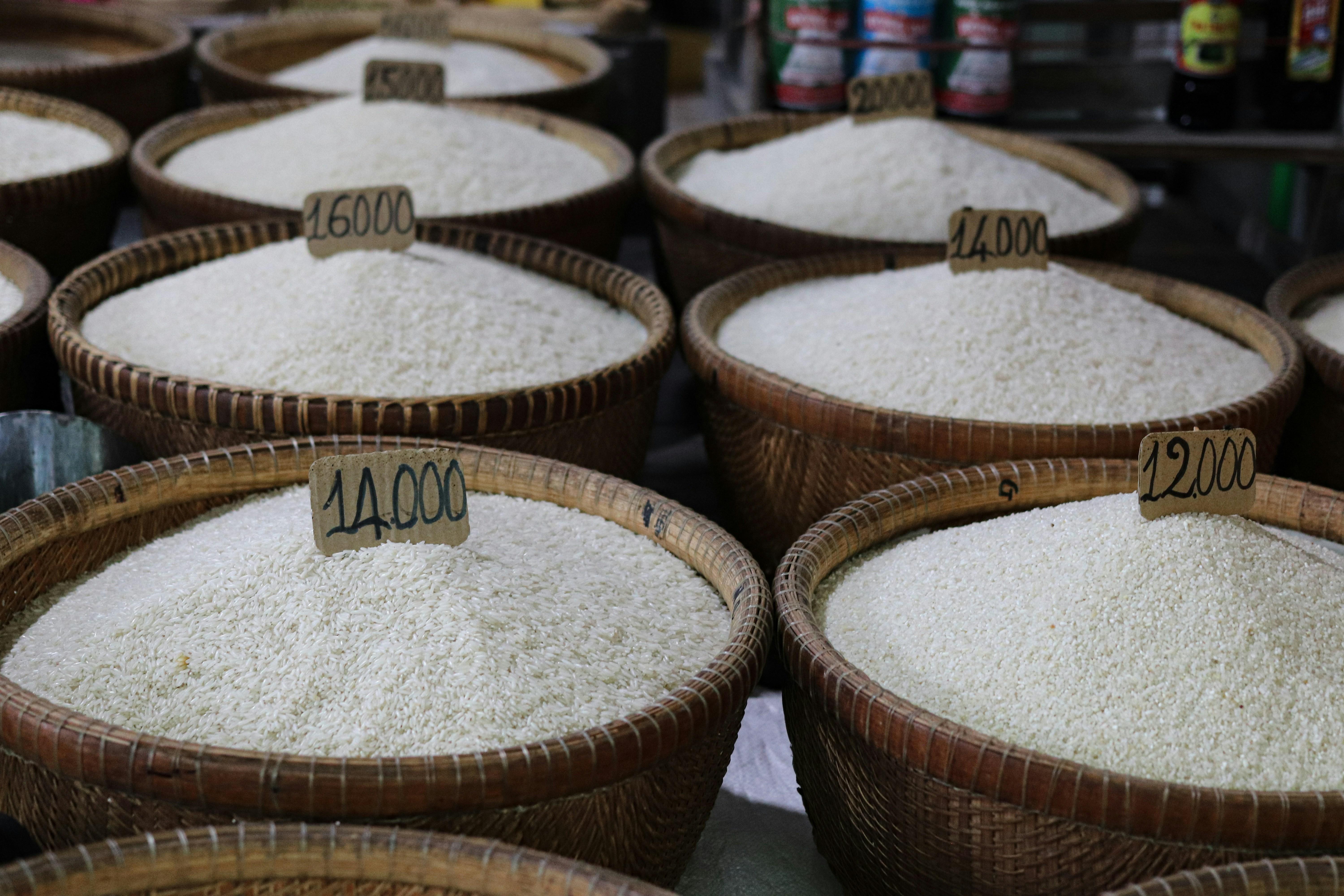
Unpacking Rice Processing Techniques: From Harvest to Table
Understanding the rice processing techniques is crucial for making informed decisions as a consumer or industry player. Start by evaluating the milling methods that a rice mill employs, as they significantly affect the quality and nutritional value of the rice. Here are a few key techniques:
- Dry Milling: This is the most common technique where the husk is removed, and the brown rice is polished to produce white rice. When selecting rice, check for the degree of milling – overly polished rice may lose essential nutrients like B vitamins.
- Wet Milling: A less common method where rice is soaked before milling, which can enhance the flavor and texture. If you come across wet-milled rice, be prepared to pay a premium.
- Customary vs. Modern Mills: Traditional stone mills may provide a different texture and flavor compared to modern metal roller mills, which can yield more uniform rice grains. Taste tests can often reveal personal preferences.
When purchasing rice,consider the original geographic source and organic versus conventional farming practices. Imported rice might spend more time in transit,affecting freshness; hence,buying locally grown rice supports local economies and reduces supply chain disruptions. Be wary of common pitfalls: purchasing bulk rice without understanding its milling date can lead to stale product issues. Use this speedy checklist to make smarter choices:
| Factor | What to Look For |
|---|---|
| Milling Date | Check packaging for mill dates to ensure freshness |
| Nutritional Content | Look for brands that disclose nutritional information; whole grain options hold more nutrients |
| Certifications | Verify organic or non-GMO certifications when applicable |
Being proactive in these areas not only enhances your culinary experience but also supports a more sustainable food supply chain.Engage with local rice producers or mills for insights into their processing methods to gain an even deeper understanding of the product you are choosing for your meals.
Economic Impact of Rice Mills: Fueling Local Communities and Markets
the economic impact of rice mills extends beyond the confines of the mill itself; it plays a crucial role in the vitality of local communities and markets. When setting up or supporting a rice mill,consider the following factors to maximize its benefits:
- Job Creation: Ensure that the mill provides employment opportunities to local residents,focusing on underrepresented demographics. As an example, initiatives that train women can yield notable community benefits.
- Local Sourcing: Whenever possible, source paddy from local farmers. This not only ensures fresher input material but also strengthens the local agricultural economy. Establish direct purchasing agreements with farmers to create a reliable supply chain.
- Market Accessibility: Assess local market demands and discover gaps where the millS output can meet consumer needs. For example, diversifying into organic rice products could attract a premium market segment.
On the operational side, there are common pitfalls that could undermine a rice mill’s economic impact.One major issue is inefficient management that leads to low productivity and increased operational costs. Regularly review key performance indicators like yield per hectare and operational downtime. Implement lean processing techniques to enhance efficiency. Additionally, conducting a thorough feasibility study can prevent issues related to market saturation and over-production. Understanding local competition will enable you to position your products effectively. Look for ways to differentiate your offerings, such as branding with sustainability practices or superior quality control.Here’s a simple table to help evaluate your rice mill’s economic position:
| metric | Current Value | Target Value |
|---|---|---|
| Monthly Revenue | $XX,XXX | Increase by 20% |
| Employee Retention Rate | 75% | 85% |
| Average Turnaround Time | 3 days | <2 days |
Recommendations for Enhancing Efficiency and Sustainability in Rice Milling Operations
To enhance efficiency and sustainability in rice milling operations, operators must prioritize the adoption of modern technologies and rigorous maintenance practices. Start by implementing energy-efficient milling machines, such as those equipped with variable frequency drives (VFDs), which can significantly reduce energy consumption. Regularly scheduled maintenance, including cleaning and lubrication of machines, can minimize downtime and prevent costly breakdowns.Additionally, consider the benefits of investing in digital monitoring systems that track the moisture content and temperature of the rice. These systems help optimize drying processes and reduce energy use. Be sure to check the following:
- Equipment Age: Older machines can be less efficient. Consider upgrading to newer models to improve performance.
- Waste Management: Evaluate your by-products; utilize husks and bran for animal feed or biofuel to maximize resource use.
- Water Use: Assess and implement water-efficient processing techniques to conserve this critical resource.
Additionally, fostering partnerships with local farmers can enhance the supply chain efficiency and promote sustainability. Establishing contracts that ensure a steady supply of quality paddy not only secures your raw materials but can improve community relations. Review your sourcing processes to identify and eliminate inefficiencies, such as excessive transportation distances that contribute to increased carbon footprints. Regular training programs for staff can also yield significant improvements in operational practices.Here’s a quick checklist for optimal practices:
| Practice | Benefits |
|---|---|
| Implement energy-efficient equipment | Reduces energy costs and operational emissions |
| Conduct regular machine maintenance | Minimizes disruptions and extends machinery lifespan |
| Engage in open dialogues with local farmers | Strengthens supply chains and fosters community relations |
Concluding Remarks
As we conclude our exploration of rice mills and their multifaceted roles in the food supply chain, we appreciate the intricate dance of technology, tradition, and economics that these facilities embody. From the moment paddy enters the mill to the final bag of polished rice ready for market, every step in the processing technique reflects decades of refinement and adaptation to meet the global demand for this staple grain.
Understanding rice mills not only unveils the complexities behind a seemingly simple grain but also highlights their broader importance within local and global economies. these establishments are more than just machines; they are vital cogs in the wheel of food security, nurturing communities and economies alike.
As we move forward in our ever-evolving food landscape, acknowledging the pivotal role of rice mills can inspire us to support sustainable practices and innovations that ensure this essential resource remains reliable for generations to come.it is a journey with deep roots—one that connects us all through the shared act of nourishment. Let us continue to cultivate awareness and gratitude for the intricate web woven by rice milling and its impact on our world.



