In a world increasingly defined by the complexities of global supply chains and rising demands for nutritional standards, the humble grain of rice is undergoing a transformative journey. Traditionally seen as a staple food, rice is now at the center of innovation, driven by advanced processing techniques and a growing awareness of health and sustainability. Among the moast significant changes in this landscape is the rise of parboiled rice processing plants, which not only enhance the nutritional profile of rice but also revolutionize how it is indeed produced, transported, and consumed worldwide. This article explores the multifaceted impact of parboiled rice processing, revealing how it transcends traditional practices to foster resilience in supply chains and elevate dietary quality—ultimately redefining our relationship with one of the world’s most vital food sources.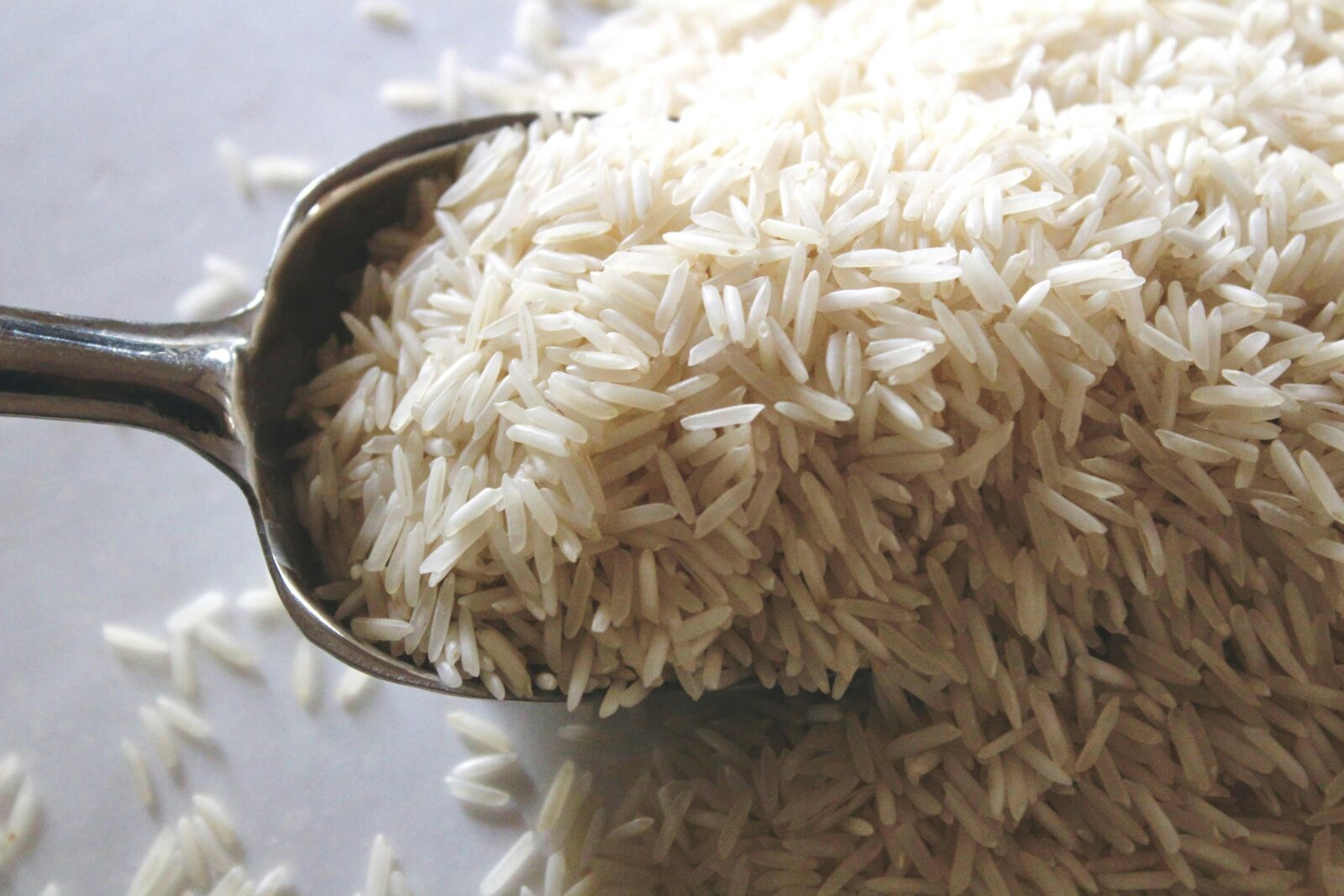
Navigating the Parboiled Rice Evolution: Balancing Tradition and Modern Demands in Supply Chains
the transition from traditional methods of parboiling rice to modern processing techniques presents a complex landscape of opportunity and challenge. Traditional methods, often celebrated for thier preservation of flavor and cultural meaning, face increasing pressure to adapt to modern demands such as efficiency, scaling, and nutritional enhancement. As global food supply chains evolve, the distinction between artisanal production and industrial processing becomes critical. Producers must grapple with the trade-offs between maintaining the sensory qualities of rice and the need for higher yields and more robust supply chain logistics.
To successfully navigate this evolution, stakeholders in the parboiled rice sector must consider a multifaceted approach that balances tradition and innovation. A few actionable strategies may include:
- Leveraging Technology: Invest in modern parboiling equipment that combines efficiency and retention of nutrients, addressing the consumer demand for health-conscious products.
- sustainable Practices: Implement eco-friendly processing techniques that not only enhance production capabilities but also appeal to the growing demographic of environmentally-sound consumers.
- Diverse Sourcing: Establish partnerships for raw material supply that emphasize both local economies and global market demands, encouraging resilience in supply chains.
Moreover, nuanced educational campaigns can definitely help dispel misconceptions about parboiled rice, promoting its benefits and fostering a deeper thankfulness for its production methods. Stakeholders must rethink their narratives surrounding parboiled rice by emphasizing not just its traditional roots but also its evolving role in global nutrition and culinary versatility. By thoughtfully integrating tradition with modernity, the rice industry can create a sustainable blueprint that maintains cultural identity while meeting the dynamic needs of a globalized world.

Unpacking the Nutritional Rhetoric: The Myths and Realities of Parboiled Rice in Global Diets
When examining the nutritional implications of parboiled rice, it is indeed critical to dissect the myths and realities that dominate this subject. One prevalent belief is that parboiling diminishes nutritional value, notably when compared to white rice. However, empirical research challenges this assumption. Parboiling enhances the bioavailability of several nutrients, as the steaming process allows for the fortification of vitamins and minerals, particularly thiamine, niacin, and magnesium. A systematic understanding reveals that parboiled rice retains more nutrients due to the partial boiling, with a stark contrast to the nutrient loss commonly seen in white rice during milling. Here are some critical distinctions to consider:
- Fiber Content: parboiled rice often contains higher fiber levels,improving digestive health.
- glycemic Index: Its processing results in a lower glycemic index compared to its white counterpart, benefiting individuals managing blood sugar levels.
- Micronutrient Retention: Certain vitamins are preserved,offering an advantage in food security and nutrition,especially in developing regions.
Yet, the perception of parboiled rice as universally superior can be misleading without considering local dietary needs and consumption patterns. For instance,while fortified rice can be a cornerstone for bolstering the nutritional standards in food-deficient areas,the potential trade-offs in taste and texture may lead to resistance among consumers accustomed to traditional varieties. Recommendations for stakeholders, including producers and nutrition policymakers, must be nuanced; they should promote parboiled rice as a viable option but not discount the cultural significance and sensory attributes of other rice types. Engaging communities through education about its benefits and integrated culinary applications could enhance acceptance and foster healthier eating habits.
Redefining Value: The Complex Trade-offs of Investing in Parboiled Rice Processing Infrastructure
Investing in parboiled rice processing infrastructure presents a myriad of complex trade-offs that challenge conventional thinking about agricultural investments. one fundamental misinterpretation is the belief that higher investment guarantees immediate returns. While initial capital influx can modernize facilities, boost production, and improve quality, the actual benefits manifest over a prolonged period. Stakeholders must consider the following factors, which often complicate the equation:
- Quality vs. Quantity: Investing in high-quality, efficient processing plants may lead to reduced throughput in favor of superior product quality, raising unit costs.
- Local vs. Global Markets: Focusing on local distribution can yield immediate benefits for small farmers, whereas larger operations may prioritize global supply chains, risking disconnection from local communities.
- Environmental Impact: Enhanced processing often necessitates increased water and energy consumption, leading to sustainability dilemmas, particularly in water-scarce regions.
To navigate these challenges effectively, investors must balance their financial goals with a commitment to ethical practices. As an example, fostering partnerships with local farmers can enhance supply chain resilience while promoting community progress.Moreover, implementing sustainable technologies not only mitigates environmental concerns but can also serve as a unique selling proposition in a market increasingly driven by consumer preferences for eco-friendly products. The key lies in discerning where true value is generated—weather through immediate yield or longer-term sustainability—and aligning investment strategies accordingly. This nuanced approach ensures that investments in parboiled rice processing infrastructure not only transform supply chains but enhance nutritional standards and economic resilience in a meaningful, responsible manner.
Beyond the Hype: Evaluating the Hidden Costs and Benefits of Parboiled Rice for Global Markets
The ascent of parboiled rice in global markets offers both opportunities and challenges that merit a careful evaluation of its hidden costs and benefits. Common perceptions often celebrate parboiling as a universally superior processing method that enhances nutritional content and shelf stability. Though, these assumptions overlook critical trade-offs. For instance, while parboiled rice presents improved nutrient retention and may reduce cooking time, it also often requires larger water and energy inputs during processing compared to unprocessed rice. This consumption can strain local resources, especially in regions where water scarcity is an emerging concern.
Moreover, the implications of parboiled rice on global supply chains are far-reaching. Cost-benefit analyses should weigh the following factors:
- Economic viability: While parboiled rice can command higher prices due to its enhanced qualities, the initial investment in processing plants might potentially be prohibitive for smaller producers.
- Market demand: Emerging markets show a growing preference for parboiled rice; however, cultural preferences for traditional varieties could limit expansion opportunities.
- Environmental impact: The processing itself generates byproducts that can lead to waste disposal challenges, necessitating sustainable practices in plant operations.
In this context, stakeholders should approach parboiled rice with a nuanced strategy. It’s essential to align production practices with the local socio-economic landscape, investing in community engagement and environmental sustainability. The deployment of parboiled rice must not only seek economic gain but also prioritize local resource management and cultural sensitivity to avoid undermining traditional agricultural systems.
Wrapping Up
In an era where tradition meets innovation,the journey of parboiled rice processing plants represents a pivotal shift in global supply chains and nutritional standards.As we have explored, these facilities not only enhance the quality and accessibility of rice but also redefine the way we think about food production and consumption. By embracing advanced processing techniques, these plants are not just preserving age-old practices; they are elevating them, contributing to food security, and fostering sustainable development across nations.
As we look to the future,it is clear that the impact of parboiled rice extends far beyond the plate. It challenges us to rethink our reliance on conventional methods and encourages a more holistic approach to nutrition and production. With the potential to transform local economies and influence dietary preferences worldwide, parboiled rice stands as a testament to the power of innovation in addressing the challenges of a modern world.
Thus, as we embrace this new narrative, we invite readers to consider the implications of these advancements not just for consumers, but for farmers, suppliers, and communities across the globe. The evolution of parboiled rice processing is not merely a chapter in agricultural history; it is a beacon of what is possible when tradition and technology unite for the greater good. As we step into uncharted territories of food systems, let us continue to celebrate and support the innovations that promise a healthier and more equitable future for all.