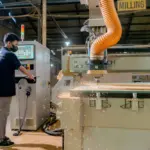
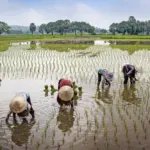
In teh heart of agricultural innovation, a silent revolution is brewing that promises to reshape the way we think about rice processing. As one of the world’s staple foods, rice not only feeds billions but also sustains countless cultures and economies. Yet behind the scenes, traditional harvesting methods frequently enough struggle to keep pace with the demands of modern agriculture.Enter the new generation of rice processing machines, equipped with cutting-edge technology and smart design, poised to transform every step of the rice production journey. From enhanced efficiency and reduced waste to improved quality and sustainability, these machines are at the forefront of a pivotal shift in how we engage with one of our most essential crops. In this article, we delve into the innovations driving this change and explore how the future of rice processing machines is set to revolutionize not just the industry, but also the lives of the millions who depend on this staple grain.
Advancements in technology Driving Efficiency in Rice Processing
In the rapidly evolving landscape of agriculture, the rice processing sector is experiencing a seismic shift thanks to groundbreaking innovations. These technological advancements are not only enhancing the quality of the grain but also transforming the way rice is processed, making it quicker and more sustainable. The introduction of smart sensors and IoT-enabled machinery allows for real-time monitoring of the processing stages, enabling farmers and processors to make data-driven decisions. By harnessing the power of machine learning algorithms, operators can predict equipment failures, optimize energy consumption, and improve overall workflow efficiency.
Furthermore, the integration of robotics into rice processing plants is significantly scaling up production while minimizing labour costs. automated systems are adept at handling tasks such as husking, milling, and packaging, which are traditionally labor-intensive. In addition, the deployment of high-efficiency milling equipment ensures that rice is processed with maximal yield and minimal waste. These advancements can be summarized in the following key benefits:
- Reduced Processing Time: Faster equipment translates into shorter delivery cycles.
- Quality Control: Automated systems maintain consistency in grain quality.
- Resource Savings: Efficient use of water and energy leads to cost reductions.
- Increased Yield: Enhanced processes maximize the amount of market-ready rice produced.
| Technology | Impact on Efficiency |
|---|---|
| Smart Sensors | Real-time monitoring and predictive analysis |
| Robotics | reduced labor costs and increased production speed |
| Machine Learning | optimized workflows and energy consumption |
| High-Efficiency Milling | Maximizes yield and minimizes grain loss |

Sustainable Solutions: Reducing Waste and Energy Consumption
As the demand for rice continues to soar, the push for innovative technology in rice processing is vital to lessen both waste and energy consumption. Modern rice processing machines are increasingly designed with sustainable features that minimize their environmental impact. these advanced systems incorporate intelligent algorithms and energy-efficient components, which significantly reduce energy usage during the milling process. Key features include:
- Variable Frequency Drives: These optimize motor speeds, decreasing power consumption according to the workload.
- Revolutionary Grain Separators: By using air flow technology, these machines reduce the amount of broken rice, leading to less waste.
- Eco-Kind Materials: Machines are now made from recyclable materials that pose minimal risk to the environment.
Moreover, the integration of IoT technology in rice mills is paving the way for smarter resource management. With real-time data collection, operators can monitor energy usage meticulously, allowing for immediate adjustments that enhance efficiency. As an example, the use of energy monitoring software can provide insights into peak consumption times and machine performance, leading to better operational strategies.A glimpse into the benefits of sustainable rice processing technology is illustrated in the table below:
| Technology | Benefits |
|---|---|
| Smart Sensors | Reduce excess energy usage by optimizing operations. |
| Renewable Energy Integration | Utilizes solar or wind power, lowering carbon footprint. |
| Automated Cleaning Systems | minimize waste through precision cleaning processes. |
Smart Automation: Enhancing Precision in Rice Quality Control
The incorporation of smart automation into rice quality control processes represents a transformative shift in agricultural practices. By utilizing advanced algorithms and machine learning, rice processing machines can now analyze grain quality with unparalleled precision. This technology enables real-time monitoring of various quality parameters, such as moisture content, size, and purity, ensuring that only the best grains are selected for packaging. The benefits of this automated approach include:
- increased Efficiency: Automation drastically reduces the time required for quality checks, allowing for a more streamlined production process.
- Consistency: Smart systems provide consistent results, minimizing human error that may arise from manual inspections.
- Data-Driven Insights: Collection of quality data over time aids in predicting and improving future harvest outcomes.
Moreover, integrating Internet of Things (IoT) capabilities into rice processing machines fosters an environment of connectedness among various operational components. As an example, sensors embedded within the machinery can relay real-time alerts concerning the quality status of incoming grains directly to farmers and processors. the following table outlines some key benefits of adopting smart automation in rice processing:
| Benefit | Description |
|---|---|
| Cost Reduction | Minimizes waste and optimizes resource utilization, leading to lower processing costs. |
| Quality Enhancement | Improves overall grain quality through precise sorting and thorough analysis. |
| Sustainability | Promotes environmentally friendly practices via efficient energy use and waste minimization. |
Future Perspectives: embracing Innovation for Global Food Security
As the global population continues to rise,the challenge of food security intensifies,prompting a shift toward innovative agricultural practices. The next generation of rice processing machines is at the forefront of this revolution, equipped with technology that enhances yield and quality while minimizing waste. These machines are not just tools of production; thay are intelligent systems that integrate machine learning and internet of things (IoT) technology to optimize every phase of the processing cycle—from harvesting to packaging. Farmers can expect features such as:
- Real-time data analytics to monitor crop health and predict optimal harvesting times.
- Automation that reduces labor costs and increases efficiency.
- Sustainability measures that ensure responsible resource usage, including energy-efficient processes.
The integration of such cutting-edge technology into agricultural practices is not merely a response to demand; it represents a proactive strategy to secure the future of food. By enhancing processing capabilities, these machines not only yield more nutritious rice but also facilitate improved global trade. The expected impacts can be illustrated as follows:
| Impact Category | Expected Outcome |
|---|---|
| Increased Production | Higher yield per hectare with optimized inputs. |
| Quality Improvement | Enhanced grain quality leading to better market prices. |
| Waste Reduction | Lower levels of waste and by-products through efficient processing. |
By embracing these innovations, we not only improve local economies but also contribute to a more sustainable future, ensuring that each grain of rice plays its part in alleviating hunger worldwide. A collective shift towards advanced rice processing technology enhances food security on a global scale, allowing communities to thrive and adapt amid changing environmental and economic challenges.
In Summary
As we stand on the brink of a new era in agricultural technology, the innovations in rice processing machines promise to reshape not only the way we harvest but also how we approach food security and sustainability. The convergence of advanced machinery, smart technologies, and eco-friendly practices is more than just a leap forward; it’s a commitment to fostering a resilient agricultural landscape that honors tradition while embracing the future.
As we look ahead, collaboration among farmers, technologists, and researchers will be essential in turning these revolutionary ideas into reality. By integrating precision agriculture with cutting-edge designs, we can streamline operations, increase yields, and enhance the quality of one of the world’s most vital staples.
In this dynamic journey towards a more efficient and sustainable rice processing framework, the promise of innovation is not just about machines; it’s about reimagining our relationship with the land and the food we cultivate. Together, we can usher in a new chapter of agricultural advancement that honors both our heritage and our aspirations. The future of rice processing is shining, and the seeds of change have already been sown.