From Grain to Glory: Rethinking Rice Processing as the Key to Sustainable Food security
In the heart of countless cultures and cuisines around the globe lies a grain that has nourished humanity for millennia: rice.Yet, as our world grapples with escalating food demands, environmental challenges, and shifting agricultural practices, the journey of rice from field to fork is more critical than ever. This article explores the transformative potential of rice processing—a pivotal yet often overlooked step in the production chain. By reimagining how we process this staple, we can unlock not only its nutritional potential but also pave the way for sustainable food security. Join us as we delve into innovative techniques, collaborative strategies, and the critical importance of rethinking our approaches to rice processing in the quest for a more resilient global food system.
The Double-Edged Sword of Rice Processing: Balancing Efficiency and Ecological Impact
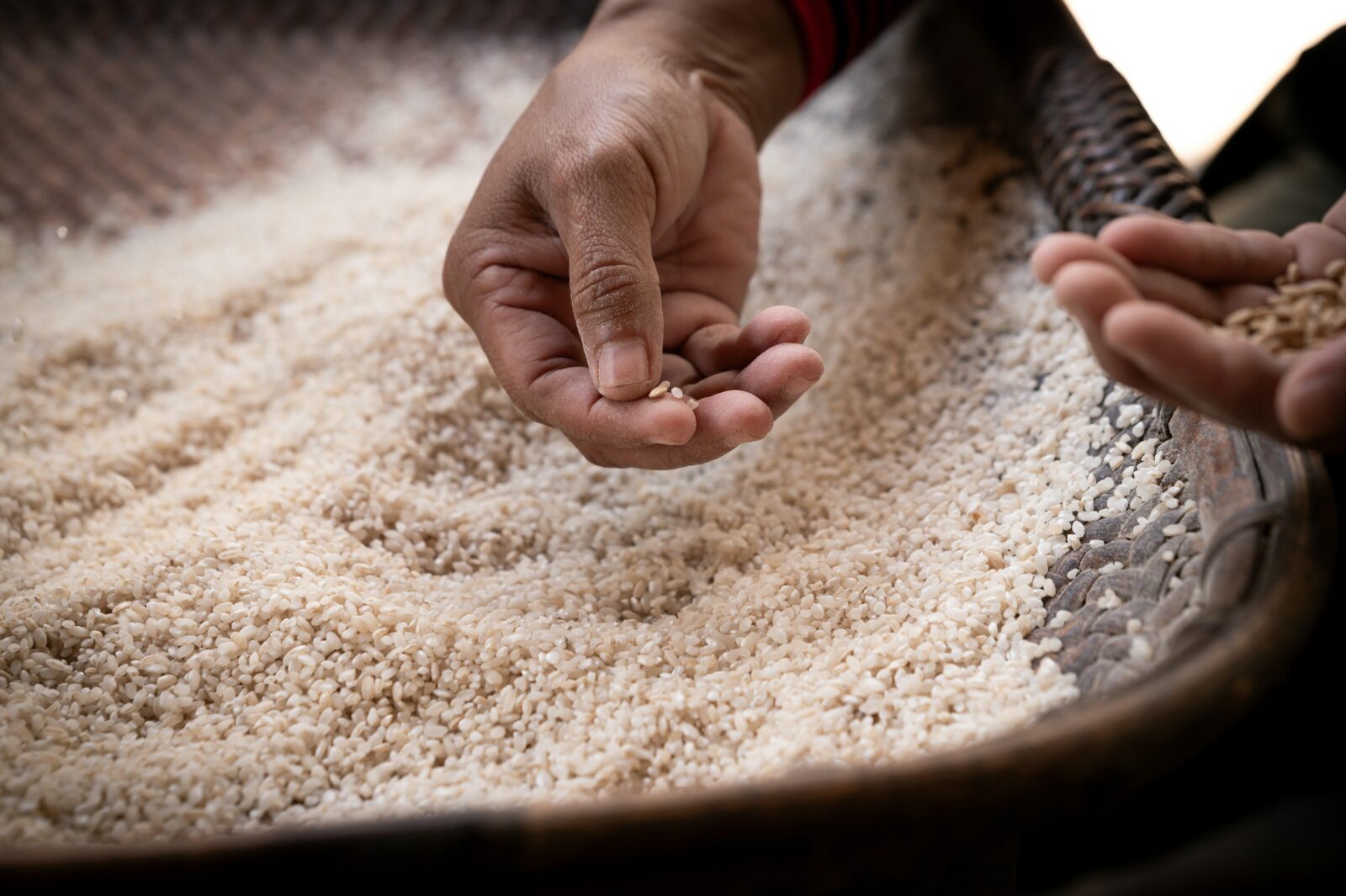
The efficiency gained through modern rice processing techniques is undeniably notable,yet it often comes at an ecological cost that warrants careful consideration.Advancements such as hydrothermal treatment and high-capacity milling have revolutionized yield and efficiency, allowing countries to meet rising food demands with remarkable speed. Though, these methods can exacerbate environmental issues like water pollution and soil degradation. A nuanced analysis reveals that trade-offs are inherent in any processing innovation.while some techniques minimize energy use and waste generation, thier implementation can inadvertently escalate greenhouse gas emissions or deplete local water resources. Thus,embracing processing technologies demands a vigilant assessment of their life-cycle impacts. Practitioners of rice processing should ask:
- What are the ecological footprints of various processing methods?
- How can efficiency gains be aligned with sustainability goals?
Moreover, the ecological ramifications extend beyond production into the disposal of byproducts. Common practice often leads to the incineration of rice husks, which releases CO2 emissions and contributes to air pollution, overlooking potential avenues for biomass recycling.Innovations in using rice byproducts for bioenergy or as soil amendments could close the loop in rice processing and enhance sustainable practices. As the industry moves forward, a paradigm shift is essential: stakeholders must collaborate to develop integrated models that not only focus on maximizing output but also prioritize environmental stewardship. Recommendations include:
- Implementing stringent eco-labeling that emphasizes sustainability in rice products.
- Investing in research to create wastewater treatment systems that mitigate pollution.
By acknowledging these complexities and embracing a broader ecological viewpoint, stakeholders can advance towards a truly sustainable rice processing framework.
Reimagining the Supply Chain: Innovations in Rice Processing for True Sustainability
To address the burgeoning challenges of food security, the rice processing sector must pivot towards innovations that prioritize sustainability without compromising on quality or economic viability. One critical area for transformation is the adoption of biotechnology and precision agriculture. These approaches can drastically reduce the environmental footprint of rice cultivation and processing. As an example, employing genetically modified organisms (GMOs) can lead to rice varieties that require less water and are resistant to pests, thereby minimizing the need for chemical fertilizers and pesticides. However,this raises ethical concerns and trade-offs regarding consumer acceptance and the potential loss of biodiversity.A well-balanced strategy would involve transparent consumer education campaigns and investment in non-GMO biotech innovations, which may offer a less contentious pathway while still delivering improved yields and sustainability.
- Invest in alternative processing techniques such as solar drying and waste-to-value technologies. These methods not only reduce energy consumption but also convert by-products into useful resources, such as biochar or biogas, thus closing the loop in a circular economy.
- Implement blockchain technology to enhance traceability and openness in the supply chain. This fosters consumer trust and encourages responsible sourcing practices,essential for a sustainability-focused market.
- Conduct rigorous life-cycle assessments (LCAs) to guide decision-making regarding processing technologies, ensuring that sustainability claims are backed by data.
Moreover, as we reimagine rice processing, a critical area to explore is the potential for collaborative models among smallholder farmers, processors, and retailers. By leveraging cooperative frameworks,stakeholders can pool resources to invest in advanced processing facilities,share knowledge on best practices,and negotiate better prices for their produce. This not only improves economic resilience but also supports local communities in adapting to sustainable practices. Yet, such collaborations require careful calibration to ensure that power dynamics are addressed; larger entities must not dominate or exploit smaller participants. Emphasizing equitable partnerships and equipping farmers with technical and financial support will be imperative for fostering a genuinely sustainable rice supply chain.
Beyond the bowl: Uncovering the Hidden Costs of Conventional Rice Production
The conventional perception of rice production frequently enough fixates solely on yield,overlooking the myriad of hidden costs associated with its cultivation. While a hefty harvest may signal success, the environmental repercussions tell a different tale. Some of these costs include:
- Water Depletion: Traditional paddies typically consume 2-3 times more water than other crops, threatening local water resources.
- Pesticide Dependency: the heavy use of chemical fertilizers and pesticides not only jeopardizes soil health but also poses health risks to farmers and nearby communities.
- Loss of Biodiversity: Monoculture practices diminish ecosystem variety, making fields susceptible to pests and diseases that thrive in homogenized environments.
These factors hint at a troubling trade-off: increased short-term yields at the expense of long-term sustainability. Embracing agroecological practices, such as integrated pest management and crop rotation, can mitigate these impacts.moreover, transitioning to water-efficient irrigation systems, like drip or sprinkler methods, can significantly reduce depletion while maintaining productivity. by recalibrating our metrics of success from sheer volume to sustainability, we can embrace rice production practices that are not only economically viable but also ecologically responsible.
A Taste for Change: How Consumer Choices Can Drive Sustainable Rice Processing Solutions
Consumer choices exert a powerful influence on agricultural practices, especially in rice processing, where the nuances of sustainability frequently enough get lost amid mass production. By opting for rice brands that prioritize eco-friendly processing methods, consumers can shift the demand from conventional practices—characterized by high water usage and energy consumption—to innovative approaches that champion the circular economy. As consumers become increasingly aware of their environmental footprints, their purchasing power can catalyze significant change in production paradigms.as a notable example, choosing rice products certified for less water usage or supporting companies that invest in clean energy solutions can create ripple effects, pressuring less sustainable producers to adopt better practices. The implication here is clear: consumer choice is not merely a personal decision; it is indeed a potent tool for systemic change in agricultural sustainability.
However,the relationship between consumer preferences and sustainable practices is not without its complexities.While there is a growing trend toward organic and sustainably sourced rice, these choices frequently enough come with trade-offs. For example, organic rice might cost more than its conventionally grown counterpart, which can alienate budget-conscious consumers, perpetuating food inequality. Additionally, the overuse of organic labels can lead to skepticism, diminishing the impact of genuinely sustainable brands. A nuanced approach is necessary: consumers should not only seek environmentally friendly options but also advocate for essential changes in pricing and accessibility.Supporting local farmers markets or cooperative initiatives can bridge the gap between sustainability and affordability, fostering a marketplace where ethical choices do not come at the expense of inclusivity. By actively engaging with their local food systems, consumers can cultivate a deeper understanding of food production, ultimately enhancing both food security and environmental stewardship.
The Way Forward
As we navigate the intricate pathway from grain to glory, it becomes abundantly clear that reimagining the rice processing journey is not merely an agricultural challenge but a pivotal opportunity for sustainable food security. This exploration has offered a glimpse into innovative practices and technologies that promise to elevate rice from a staple to a symbol of resilience and adaptability in the face of a changing climate.
By embracing holistic approaches that prioritize sustainability without sacrificing quality, we can transform the way we view rice—not just as a commodity, but as a cornerstone of food systems across the globe. As we look to the future, let us champion new methods and collaborative efforts that honor the rich heritage of rice while integrating modern science and community engagement.
The mission now lies in our hands: to cultivate an ecosystem where rice processing not only feeds the world but also nurtures it. With each grain, we have the chance to sow seeds of hope, innovation, and duty, ensuring that future generations can savor the fruits of our labor in a world that thrives on balance and abundance. Together, let’s turn the tide towards a sustainable food future, one grain at a time.