In a world where agrarian landscapes are increasingly overshadowed by urban expansion and industrialization, the journey of a simple grain frequently enough goes unnoticed. Yet, within this seemingly humble staple lies the potential to transform not just meals, but entire livelihoods.Enter the mini rice polisher machine—a small but mighty innovation that has the power to redefine how rice is processed and appreciated. in “From grain to Greatness,” we delve into the remarkable tale of this ingenious device, exploring how it has not only elevated everyday meals with enhanced flavor and nutritional value but has also become a catalyst for empowerment among small farmers. By shining a light on the intersection of technology, agriculture, and culinary culture, we uncover a story of resilience and growth that resonates far beyond the kitchen. Join us as we journey through the fields, kitchens, and communities that celebrate this transformative tool, revealing its profound impact on both plates and prospects.
Roots of Resilience: The Journey of Small Farmers embracing Technology
In many rural regions, the picture of farming can frequently enough seem bleak, with small farmers grappling against the challenges of climate change, market fluctuations, and aging equipment. Tho, embedded within these struggles lies a compelling narrative of resilience driven by technology and ingenuity. take, for example, the story of Sanjay, a fifth-generation rice farmer in Uttar Pradesh. Initially, he faced immense disappointment when he discovered that despite his hard work, the quality of his rice wasn’t fetching the prices he expected. His father’s method of polishing rice at the local mill not only consumed time but also diminished the quality due to outdated machinery. At a crossroads, Sanjay decided to invest in a mini rice polisher. This small decision opened a world of possibilities and started reshaping his expectations.
The day sanjay first used the mini rice polisher, the transformation was palpable. The polished rice glimmered like pearls,capturing the sun in a way his previous produce never did. Customers began to notice the difference,and soon,orders started pouring in. His unexpected success was bolstered by direct feedback from his community, who also saw the quality difference. Sanjay realized that embracing technology provided him not just financial dividends but also enhanced community ties. Instead of languishing in despair, small farmers like him learned to leverage technology as a key ingredient for progress.They exchanged stories and support, forming cooperative groups to share resources and best practices. This cultural shift from isolation to community spirit illustrated a remarkable lesson: technology doesn’t just improve yields—it cultivates resilience.
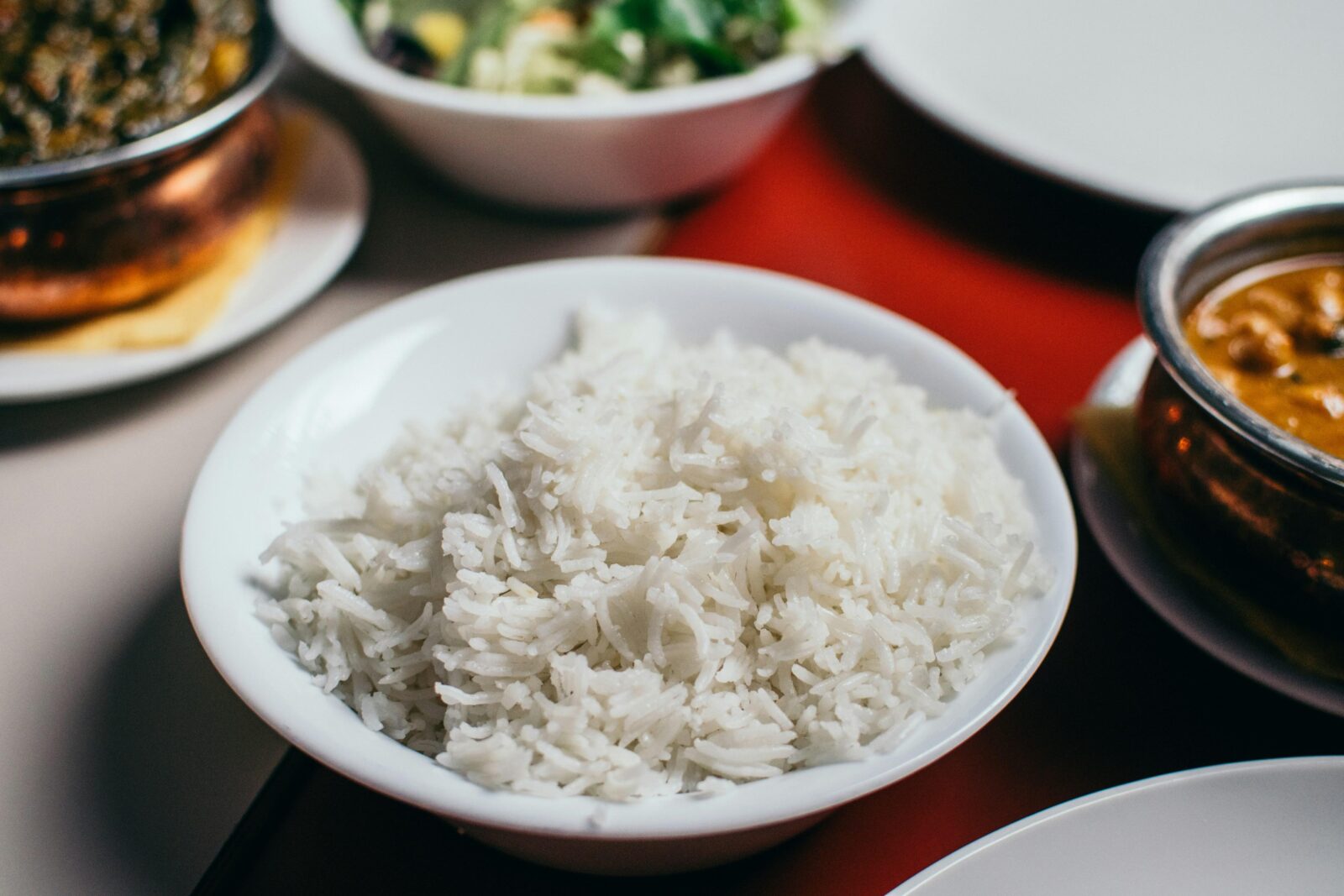
From Rough to refined: The Everyday Transformation of Rice Through Innovation
For many small-scale farmers, rice is not just a staple food; it’s a livelihood. But the journey from rough rice to a polished product that meets market demands frequently enough feels insurmountable. Take the story of maya, a farmer in rural India. With her humble plot of land, she cultivated high-quality rice but struggled to prepare it for sale. Traditional methods required considerable time and effort, leaving her tired and with little to show for her labour. That was until she learned about the mini rice polisher machine. Initially skeptical about the cost and the need for such technology, she decided to take a leap of faith. Within weeks, Maya transformed her entire process. The once tedious husking and polishing was reduced to a matter of hours, allowing her not only to sell her produce faster but also to preserve its quality.
Through this innovative approach, Maya discovered unexpected benefits that went beyond mere savings in time. Her polished rice fetched higher prices in local markets, proving that investment in modest technology could yield important returns. Furthermore, the cleaner, more appealing rice attracted new buyers who once overlooked products that appeared unrefined. This account isn’t unique; farmers across regions have echoed similar sentiments. Actually, studies have shown that farmers using mini rice polishers saw an increase in their profits by as much as 30% within the first season. some of the key takeaways from these transformations include:
- Enhanced Marketability: Polished rice has greater appeal.
- time Efficiency: Machines drastically cut processing time.
- Increased Profit Margins: Higher quality leads to better pricing.
This clear divergence from experiences with outdated methods highlights a crucial lesson: innovation is not the enemy of tradition but a companion that can elevate them. as farmers embrace mini rice polishers, they forge a path from the remnants of rough rice into a world of refined options, creating opportunities for themselves and their communities.
Harvesting Hope: How a Mini Polisher Became a Catalyst for Culinary Change
in a small village in the heart of India, a humble farmer named Ravi struggled with the quality of his rice. Like many, he relied on traditional methods, which frequently enough left his grains discolored and unhygienic. Ravi was aware that polished rice fetched a higher price in the market, but the cost of industrial polishing machines was far beyond his reach. One day, during a community meeting focused on agricultural innovations, Ravi learned about a mini rice polisher designed specifically for small-scale farmers. This compact device promised to transform not just the rice, but also livelihoods. Intrigued yet skeptical,he weighed the investment: a few thousand rupees for a chance to increase his income against the prospect of continuing in a cycle of poverty. The decision boiled down to trust—both in the machine’s abilities and in the future it could offer.
After much contemplation, Ravi took the plunge and purchased the mini polisher. The first few runs were nerve-wracking; he watched closely as the machine whirred to life, transforming his grains with a burst of speed and efficiency. The contrast between the rough, fragmented rice he had earlier produced and the gleaming, polished grains was striking. Within weeks, Ravi began selling his rice at local markets, and the response was overwhelmingly positive. Buyers appreciated the higher quality, and they were willing to pay more. This shift not only increased his income but also motivated his neighbors to invest in similar machines, sparking a ripple effect throughout the village. Stories spread of families affording better schooling for their children and purchasing new farm equipment,a testament to the economic uplift that stemmed from a simple decision made around a community table.
lessons from the Field: Empowering Communities Through the Art of Rice Milling
Through our journey into the heart of rice farming, we’ve uncovered valuable lessons from communities empowered by the art of rice milling. consider the story of Mami, a smallholder farmer from Northern Thailand, who struggled to sell her rice as of a lack of proper milling facilities. Every year, she watched as her hard-earned crop sat unsold, often at low prices from local traders who offered little in return. When her village invested in a mini rice polisher machine, the transformation was remarkable. Mami no longer viewed her rice as a mere crop but as a source of chance. After milling her rice to a market-ready quality, she began selling directly to consumers, considerably increasing her profit margins. This shift not only enriched her household income but also reinvigorated her community, leading to a collaborative spirit where everyone from farmers to local businesses benefited.
This experience with Mami exemplifies a broader lesson about community empowerment through technology adaptation.Many farmers initially feared that the investment would be too risky, an expectation that was quickly overturned.The introduction of the mini milling machines not only improved the quality of their rice but also opened doors for new markets. some farmers, realizing they could brand their products as premium local rice, began attending farmers’ markets, showcasing their freshly milled grain.A contrast arose between the initial expectation of a simple machine and the reality of its impact: instead of merely milling rice, it became a catalyst for local entrepreneurship.With more farmers seeing the tangible benefits, the ripple effects extended beyond individual households, fostering community workshops where they shared tips on rice cultivation, milling techniques, and even marketing strategies—a true testament to the power of collective learning.
In Retrospect
In a world where innovation meets tradition, the journey from grain to greatness speaks volumes about the power of transformation. The mini rice polisher machine stands as a testament to the potential of technology to elevate everyday meals and uplift small-scale farmers. By bridging the gap between simple ingredients and exquisite dishes, this remarkable tool not only enhances the nutritional value of rice but also empowers agricultural communities by providing them with a sustainable path to prosperity.
As small farmers embrace this change, they are not just improving their harvests; they are redefining their roles in the food supply chain and enhancing their livelihoods.This story is a reminder that greatness frequently enough stems from the most humble beginnings. In the hands of those who toil in the fields, a single machine can spark a ripple effect, fostering resilience and creativity in kitchens around the world.
As we close this chapter on the transformative impact of a mini rice polisher, let us carry forward the lesson that innovation, when married with a community’s heritage, has the power to nourish not just bodies, but also dreams. The future is shining,and with each polished grain,we move closer to a world where every meal tells a story of perseverance and triumph.