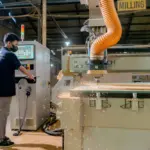
In a world where the demand for food continues to surge, the agricultural sector faces the monumental task of meeting these escalating needs while maintaining sustainability and efficiency.At the heart of this change lies a pivotal innovation: the industrial rice milling machine. What once was a labor-intensive process has evolved into a marvel of engineering, streamlining production and enhancing quality. By integrating advanced technology with customary practices, these machines are not only revolutionizing how rice is processed but are also reshaping the entire landscape of agriculture. As we delve into the intricacies of this remarkable advancement, we explore its impact on productivity, economic viability, and the future of food security.join us as we uncover how the industrial rice milling machine is not just a tool, but a catalyst for change in the agricultural industry.
the Transformation of Rice Production Through Advanced Milling Technology
In recent years, rice production has undergone a remarkable evolution, largely due to the introduction of sophisticated milling technologies that streamline processing and increase efficiency. Traditional milling methods often resulted in high rates of broken grains, low extraction rates, and subpar quality, which adversely affected both producers and consumers. However, the industrial rice milling machine has transformed the landscape by offering advanced features such as automated sorting, high-capacity processing, and superior husk removal. These innovations not only enhance the quality of the rice produced but also significantly improve the yield, making rice a more profitable crop for farmers. Key advantages include:
- Improved Quality: Higher whole grain percentages and better texture.
- Increased Efficiency: Faster milling times with reduced labor requirements.
- Consistent Output: Reliable processing leading to uniformity in product.
The impact of these advanced milling systems isn’t just confined to the farms; it resonates throughout the entire supply chain.With enhanced quality output, rice milling businesses are better positioned to meet global market demands, creating opportunities for export and driving economic growth. These machines frequently enough incorporate digital technology, enabling real-time monitoring and data collection. Thus, millers can optimize operations by adjusting settings based on throughput metrics and quality indicators. Consider the following improvements captured in a comparative table:
| Feature | Traditional Milling | Industrial Milling |
|---|---|---|
| Grain Breakage Rate | 20-25% | 5-10% |
| Processing Speed | 1 ton/hour | 4-6 tons/hour |
| Operating Labor | 5-8 workers | 2-3 workers |
Emphasizing sustainability,modern milling machines also prioritize eco-pleasant practices by minimizing waste and energy usage. This aligns with global efforts to promote lasting agriculture, enabling rice producers to contribute to environmental preservation while addressing the food needs of a growing population. With the ongoing advancement in technology, the rice milling industry stands poised for further innovations, promising a future where quality, efficiency, and sustainability go hand in hand.

Efficiency Redefined: how Industrial Rice Mills Optimize Processing
In the rapidly evolving landscape of agriculture, industrial rice mills have emerged as powerful players that redefine efficiency within the rice processing sector. By leveraging advanced technology, these mills streamline operations, minimizing waste and maximizing yield. Central to this revolution is the integration of automated systems, designed to handle every aspect of the rice milling process with precision. Key advantages include:
- Speed: Automated machines can process large quantities of rice in significantly less time compared to traditional methods.
- Consistency: Automated sorting and milling ensure uniform product quality, reducing the variability often seen in manual processes.
- Resource Optimization: Enhanced machinery reduces energy consumption and labor costs, making the process more sustainable and economically viable.
The technology behind industrial rice mills frequently enough includes sophisticated milling units that can simultaneously perform multiple functions—from husking to polishing—thereby maintaining a steady output flow without compromising quality. By utilizing data analytics, operators can monitor performance metrics in real-time, allowing for rapid adjustments and solutions to potential bottlenecks. Here’s a quick look at how these systems improve operational workflow:
| Process Step | Traditional Method | Industrial Mill |
|---|---|---|
| husking | Manual or semi-automated | Fully automated with adjustable settings |
| Sorting | labor-intensive | Automated optical sorting |
| Polishing | Batch processing | Continuous processing |
Sustainability in agriculture: The Eco-Friendly Impact of Modern Milling
In the quest for sustainable farming practices, modern milling technologies are making a significant difference. With advanced industrial rice milling machines, producers can optimize the use of resources, reducing waste and enhancing efficiency. these machines are designed to minimize energy consumption while maximizing output, leading to a smaller carbon footprint and a more eco-friendly approach to agriculture. Key features of these innovative machines include:
- Energy Efficiency: Utilizing less energy during processing.
- Waste Reduction: Converting by-products into valuable materials.
- Water conservation: Implementing systems that reduce water usage.
Furthermore, these milling technologies promote sustainable agricultural practices by allowing for better crop management. by facilitating the processing of rice more efficiently, farmers can focus on organic growing methods and biodiversity, which are crucial for maintaining healthy ecosystems. The impact of modern milling extends beyond the farm, contributing to local economies and food security. an overview of this sustainable approach can be captured in the table below:
| Aspect | Benefits |
|---|---|
| Resource Optimization | Enhanced yield with fewer inputs |
| Renewable Energy Use | Utilization of solar or biomass energy |
| Local Economic Growth | Supports community jobs and business ventures |
| Food Security | Ensures steady supply of high-quality rice |
Investing in the Future: Key Considerations for Choosing Rice Milling Equipment
in today’s competitive agricultural landscape, selecting the right rice milling equipment is paramount for maximizing efficiency and productivity. Before making any investment, several pivotal factors must be taken into account:
- Capacity Needs: Assess the scale of your operations. Equipment capacity varies significantly and should align with your production goals.
- Technology Integration: Modern machines come equipped with advanced technology such as automation and IoT capabilities, improving operational efficiency.
- Maintainance and Support: Consider the ease of maintenance and the availability of technical support from the manufacturer to ensure minimal downtime.
- Quality of Output: Evaluate the machine’s ability to produce high-quality rice that meets market standards. Testing samples can provide insights into this aspect.
Another vital consideration relates to the total cost of ownership. While initial investment is crucial, understanding long-term operational costs can make or break your financial plan. This includes energy consumption, labor costs, and wear and tear over time. A comparative analysis can be beneficial:
| Parameter | Low-Cost Model | Premium Model |
|---|---|---|
| Initial Investment | $30,000 | $60,000 |
| Annual Maintenance | $5,000 | $2,500 |
| Energy Consumption | High | Low |
| Output Quality | Standard | High |
Ultimately, balancing upfront costs with long-term benefits will guide your investment decisions. By being forward-thinking about your needs and the evolving technology landscape, you can ensure that your rice milling operations are both economically viable and capable of meeting future demands.
Final Thoughts
As we stand on the brink of a new era in agriculture, the industrial rice milling machine emerges as a beacon of innovation, reshaping how we cultivate and process one of the world’s most essential crops. By marrying traditional practices with cutting-edge technology, these machines not only enhance efficiency and productivity but also pave the way for sustainable farming practices. The transformation we witness in rice milling is a testament to human ingenuity and our relentless pursuit of progress.
In a world grappling with challenges like food security and climate change, these machines offer a glimpse into a future where technology and nature coexist harmoniously. As we continue to explore and embrace such advancements, the potential for improved livelihoods, reduced waste, and enhanced sustainability becomes increasingly tangible.
Ultimately, the industrial rice milling machine symbolizes more than just a technical innovation; it embodies a commitment to enhancing agricultural practices for generations to come.As we navigate this evolving landscape, it is the integration of such revolutionary solutions that will help us cultivate a richer and more resilient future for all.