In the heart of agricultural landscapes where golden fields sway under the sun,a silent revolution is taking root—one that promises to reshape how rice journeys from harvest to home. The rise of auto rice mills marks a notable turning point in rice processing, marrying traditional farming practices with cutting-edge technology. As global demand for rice surges, so too does the need for efficiency, quality, and sustainability in food production. This article delves into the transformational impact of these automated rice mills, exploring how they streamline processes, enhance productivity, and ultimately bridge the gap between rural farms and urban kitchens. Join us as we uncover the story of innovation and resilience that is redefining this staple food and fostering a new era in agricultural technology.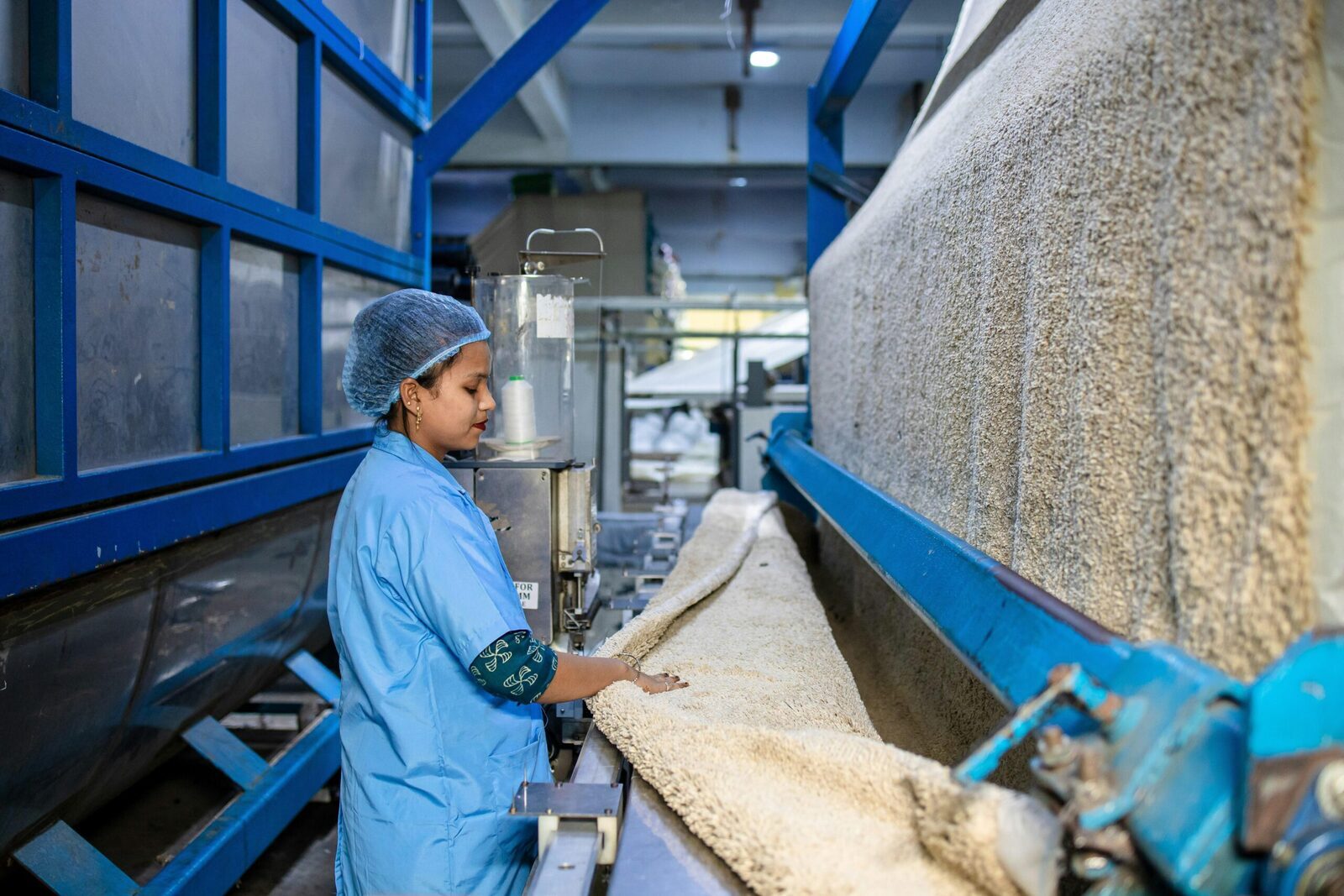
The Evolution of Rice Milling technology and Its Impact on Agribusiness
The journey of rice milling technology has undergone remarkable transformations over the years, revolutionizing the agribusiness landscape. Early milling techniques primarily involved manual processes, where farmers woudl use simple tools like mortars and pestles or traditional wooden mills. As demand for rice grew, so did the need for more efficient milling practices. The introduction of mechanical milling machines considerably expedited the processing time, reducing labor costs and improving the overall quality of rice produced. Today, the advent of auto rice mills represents the pinnacle of innovation, combining advanced machinery with smart automation that streamlines the entire workflow from post-harvest processing to distribution.
The impact of these modern improvements extends beyond mere efficiency; they have reshaped the entire agricultural economy surrounding rice production. Key benefits include:
- Enhanced quality: Higher yield rate with minimal broken grains.
- Time efficiency: Quicker turnaround from harvest to market.
- Cost-effectiveness: Lower operational costs thanks to automated processes.
Moreover,the integration of technology has allowed smallholder farmers to access larger markets,fostering greater financial stability. This shift not only retains jobs within rural communities but also encourages the adoption of best farming practices through better training and education facilitated by agribusiness initiatives. As the rice industry continues to evolve, the alignment of technology with sustainable practices promises a shining future for both farmers and consumers alike.
| feature | Traditional mills | Auto Rice Mills |
|---|---|---|
| Processing Time | Up to days | Hours |
| Labor Intensity | High | Low |
| Quality of Rice | Inconsistent | Consistent, low broken ratio |
Enhancing Supply Chain Efficiency: The Role of Auto Rice Mills in Modern Agriculture
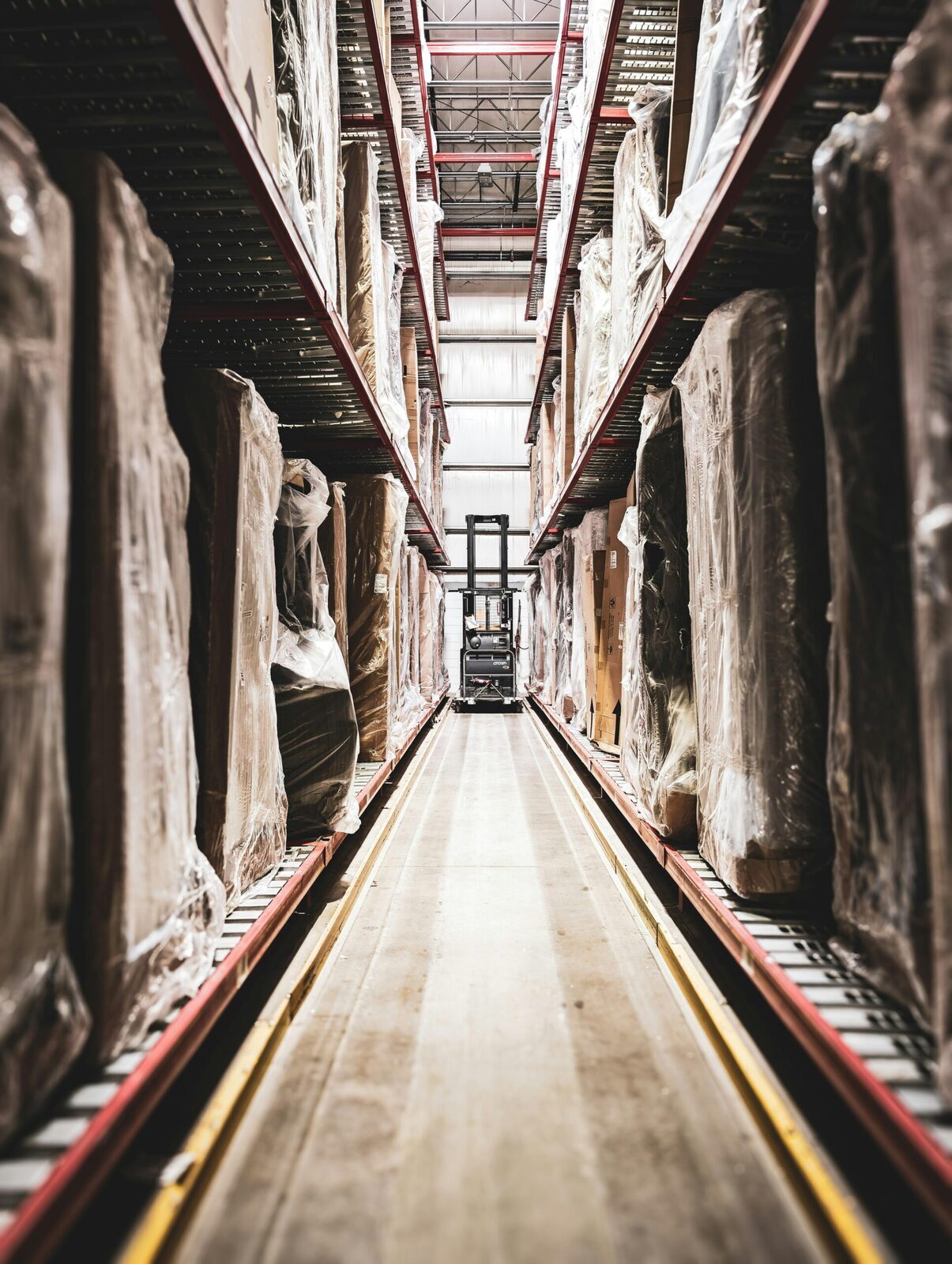
In the evolving landscape of agriculture, auto rice mills are at the forefront of enhancing supply chain efficiency. These advanced milling facilities automate the rice production process,minimizing manual labor and significantly increasing output. By utilizing state-of-the-art technology, these mills provide benefits that resonate throughout the agricultural sector, ensuring farmers can meet the increasing demands of consumers more effectively. Some key aspects of their contribution include:
- Quality Control: Automated systems consistently maintain high standards of cleanliness and quality.
- Reduced Waste: precision milling techniques lead to less grain loss and better utilization of resources.
- Speed of Processing: The milling process is expedited, enabling quicker turnaround from harvesting to market.
- Cost Efficiency: Savings on labor and operational costs contribute to better profit margins for farmers.
Moreover,the integration of auto rice mills within the supply chain fosters collaboration among various stakeholders,including farmers,distributors,and retailers. These facilities provide a platform for data sharing, which is crucial for optimizing inventory management and forecasting demand. This interconnectedness is illustrated in the table below, showcasing the impact of auto rice mills on different supply chain components:
| Supply Chain Component | Impact of Auto Rice Mills |
|---|---|
| Farmers | Higher sales from improved product quality |
| Distributors | streamlined logistics due to efficient processing |
| Retailers | Consistent supply and fewer stock-outs |
Sustainability in Rice Production: Innovations and Environmental Considerations
In the quest for sustainable rice production, the emergence of auto rice mills marks a significant innovation that bridges advanced technology with eco-amiable practices. These mills are designed to streamline the transition from harvested paddy to processed rice, minimizing energy consumption and waste.By incorporating features like solar-powered operations and water-efficient husking techniques, auto rice mills contribute to reducing the carbon footprint associated with traditional milling processes. Additionally, they enhance the quality of rice by ensuring higher retention of essential nutrients and less mechanical damage, which is crucial for both consumer health and environmental preservation.
Moreover, the integration of these modern mills allows farmers to adopt more sustainable agricultural practices. The use of precision agriculture tools within auto rice mills supports data-driven decision-making,promoting practices such as reduced pesticide and fertilizer usage. This leads to healthier soil and biodiversity, and also a decline in chemical runoff that contaminates local ecosystems.To further illustrate the impact of auto rice mills on sustainability, consider the following table highlighting the key benefits:
| Benefit | Description |
|---|---|
| Energy Efficiency | Uses renewable energy sources to power operations. |
| Waste Reduction | Minimizes water and material waste during processing. |
| Nutrient Retention | Preserves essential vitamins and minerals during milling. |
Empowering Farmers: Strategies for Maximizing Benefits from Auto Rice Mills
To truly harness the capabilities of auto rice mills, farmers can adopt several strategies that not only enhance efficiency but also improve profitability. First and foremost, training and workshops are essential. By educating farmers about the intricacies of operating these advanced machines,they can significantly reduce wastage and optimize rice quality. Collaborating with local agricultural organizations to host hands-on training sessions ensures that farmers become proficient in utilizing all features of their auto rice mills. Furthermore, establishing community co-operatives can empower farmers by pooling resources, which allows them to purchase mills collectively and share maintenance costs.
Additionally,integrating market access strategies is crucial for maximizing benefits derived from auto rice mills. Farmers should connect with local distributors and engage in online marketplaces to sell their processed rice directly to consumers, thereby increasing their profit margins. Leveraging social media to promote their products and also offering unique packaging can further attract customers. It’s critically important to focus on quality control throughout the process; implementing quality assurance measures helps ensure that the rice produced meets consumer expectations,ultimately driving repeat business. By adapting these strategies, farmers can transform their harvest into a sustainable profit-generating venture.
Key Takeaways
As we close the curtain on our exploration of the dynamic shift towards auto rice mills, it becomes evident that this transformation is more than just a technological advancement; it is a profound change in how we connect with one of the world’s most essential staples. From the lush green fields to the bustling kitchens, the journey of rice has evolved, marked by innovation and efficiency that not only streamline production but also bolster economic resilience for farmers and communities alike.
As auto rice mills proliferate, they are bridging the gap between harvest and home, ensuring that quality grains reach consumers with enhanced speed and reliability. This evolution paves the way for a future where technology and tradition coexist, preserving the cultural significance of rice while embracing the demands of modern society. As we look ahead,the continued rise of these mills signifies a commitment to sustainability,economic independence,and the nurturing of a food system that honors both the earth and its people.
In navigating this exciting chapter, we remain witnesses to a remarkable journey—a testament to innovation’s power to reshape age-old practices into a more efficient and effective framework for nourishment. The next chapter awaits,and it’s ripe with potential,as we move towards a future where every grain speaks volumes of the transformation from field to fork.