In the heart of agricultural landscapes, where golden fields of ripening rice sway gently in the breeze, lies a hub of transformation – the rice mill. These essential facilities serve as a crucial bridge between harvest and plate, performing the intricate functions of processing, refining, and delivering one of the world’s most beloved staples. Yet, beneath the hum of machinery and the bustle of labour, rice mills represent more than just a means of production; they embody the economic pulse of communities, driving growth and fostering innovation in grain processing.as we delve into the world of rice mills, we will explore their multifaceted roles, the profound impact they have on local and global economies, and the technological advancements that are reshaping the industry for a more lasting future. Join us on this journey as we uncover the vital threads that interweave agriculture, industry, and culinary culture through the lens of rice milling.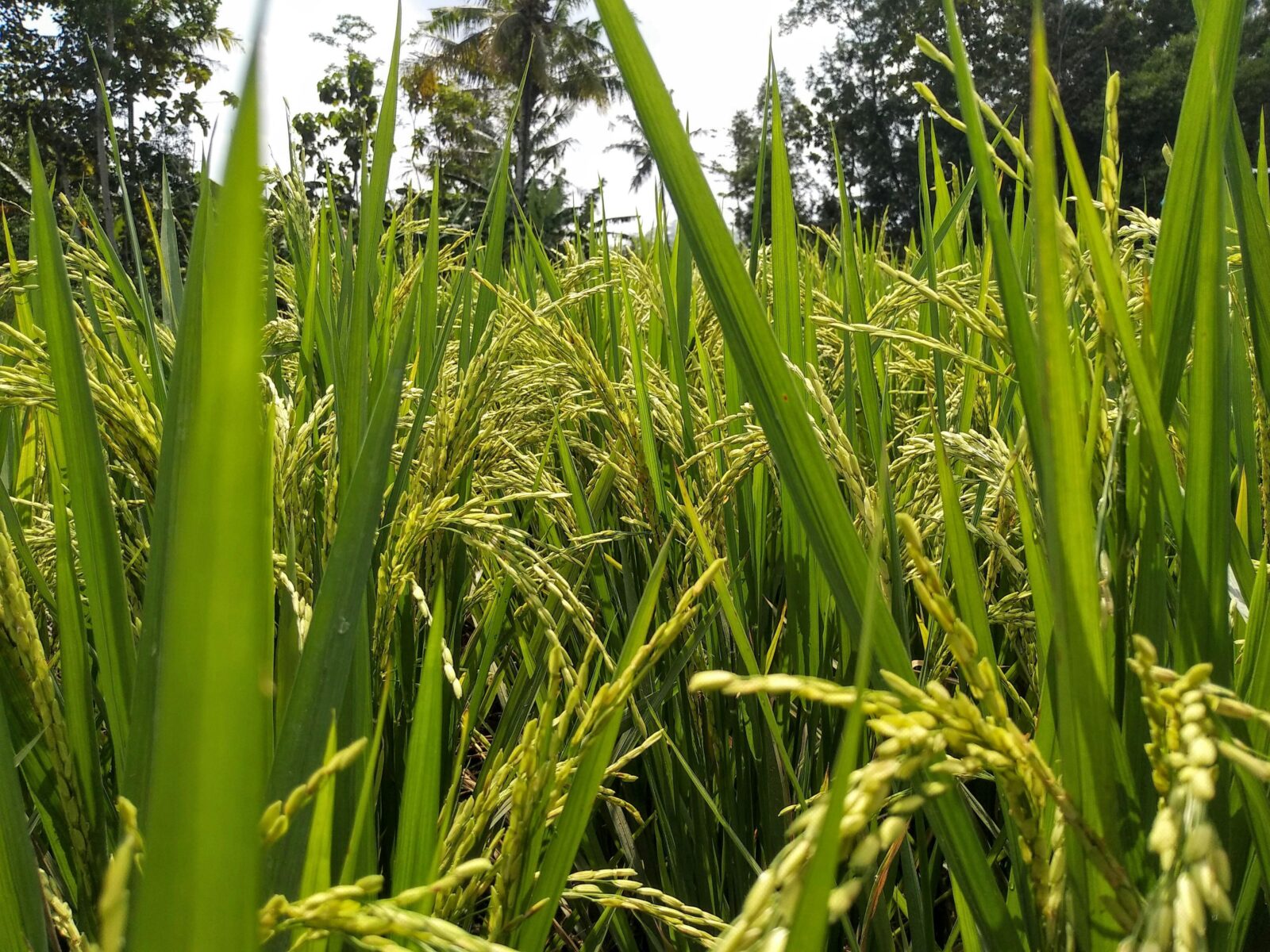
Exploring the Core Functions of Rice mills in grain Processing
When , understanding their operational mechanics is crucial for making informed decisions, whether you’re a farmer, mill operator, or investor. Key functions include cleaning, milling, grading, and packaging.Here’s a practical checklist to ensure that each area is effectively managed:
- Cleaning: Verify the effectiveness of your pre-cleaning systems. Check for impurities like stones, husks, and dust. using a combination of vibration and air to separate unwanted materials often yields the best results.
- Milling: Assess the milling technology (like modern, adjustable stone mills vs. traditional rubber roll mills). A common mistake is using obsolete machinery that compromises yield. Aim for a system optimizing aromatic compounds and minimizing broken rice.
Grading and packaging processes are equally vital. Employing automated grading systems can enhance accuracy and consistency. Regularly test your rice quality—look for moisture levels between 12-14%, as anything higher can lead to spoilage. Here’s a useful comparison table for grading techniques:
| Grading Technique | Pros | cons |
|---|---|---|
| Hand Grading | High accuracy, low cost | Labor-intensive, slow |
| Automated Grading | Fast, scales well | Higher initial investment |
When it comes to packaging, consider eco-friendly options that can attract modern consumers while reducing environmental impact. Buying in bulk and investing in form-fill-seal machines can streamline your process, ultimately saving time and decreasing costs. Always be aware of where things commonly go wrong—overlooking these fundamental aspects can greatly influence the success and sustainability of grain processing operations.

The Economic Ripple Effect: How Rice Mills Influence Local Communities
Rice mills serve as crucial economic hubs in local communities, and understanding their ripple effect can guide strategic decisions for stakeholders. To optimize the benefits of local rice milling operations, consider the following practical steps:
- Engage with Local Farmers: Establish partnerships with nearby rice farmers to ensure a steady supply of raw material. Consider setting up contracts that guarantee purchase, which can stabilize both the mill’s supply chain and farmers’ income.
- Invest in Training Programs: Providing knowledge on efficient farming techniques and pest management can improve rice quality and yield, benefiting both parties. Look into collaborations with agricultural extension services for best practices.
- Conduct Market Research: Regularly analyze local and regional demand for various rice products. This can help you diversify offerings, like organic or specialty rice, which may fetch higher prices. Utilize community feedback to refine product selection.
- Implement Sustainable Practices: Switch to eco-friendly packaging and energy-efficient machinery. It not only appeals to environmentally conscious consumers but often results in long-term cost savings.
However, pitfalls often arise if these steps are overlooked. A common mistake is neglecting to adequately assess the local market or not adapting to changing consumer preferences, which can lead to excessive stock and waste.On the other hand, mills that incorporate community-focused strategies typically enjoy higher loyalty and sales. Here are several indicators to check:
| Indicator | Action Steps |
|---|---|
| Rice Quality | Regularly test grain before processing; establish QA protocols to maintain standards. |
| Community Feedback | Set up surveys and local forums to learn about consumer preferences continuously. |
| Sales Trends | Analyze sales data monthly to identify which products are underperforming and adjust accordingly. |
By focusing on these actionable insights and diligently monitoring relevant indicators, rice mill operators can not only enhance their economic impact but also uplift the surrounding community, contributing to a healthier local economy.
Innovative Technologies Shaping Modern Rice Milling Practices
Modern rice milling practices are being revolutionized by innovative technologies that not only enhance efficiency but also improve grain quality. As a mill operator or investor, consider the following technologies to elevate your operation:
- Automated Milling Systems: Invest in fully automated milling systems that include sensors and artificial intelligence (AI) for real-time monitoring of milling conditions. This helps minimize human error and allows for precise adjustments to optimize yield and grain quality.
- Infrared Grain Dryers: Switch to infrared drying technology, which reduces moisture content in less time and with better energy efficiency than traditional dryers. Check the energy consumption rates; lower energy usage can lead to significant cost savings.
- Color Sorting Machines: incorporate advanced optical sorting technology to eliminate discolored or defective grains effectively. Review the return on investment by contrasting the initial cost with the improved market price of higher-quality grains.
However,some common pitfalls persist even with advanced technology.Many mill operators overlook the importance of regular equipment maintenance, leading to inefficiencies and unexpected downtimes. Implement a scheduled maintenance programme that includes specific checklists for each machine. Additionally, examine your supply chain logistics; partnering with local farmers who employ sustainable practices can not only ensure a steady flow of quality rice but can also enhance your market image. Always seek feedback from end-users; this can definitely help fine-tune processes that drive customer satisfaction.
Sustainability in Rice milling: Strategies for an Eco-Friendly Future
Sustainability in rice milling is not merely a trend; it’s a necessity for ensuring long-term viability both for producers and the environment. To adopt more eco-friendly practices, rice mill operators should focus on several key strategies.Here are actionable steps to consider:
- Energy Efficiency: Invest in energy-efficient machinery and consider retrofitting existing equipment. For example, upgrading to high-efficiency electric motors can reduce energy consumption by up to 10-20%.
- Water Management: Implement water recycling systems that can help reduce water consumption by up to 50%. Monitoring water usage with smart meters can help identify leaks and areas for improvement.
- Waste Reduction: Develop a waste management plan that includes composting rice husks and bran for use as organic fertilizer. These by-products can also be explored as alternatives in animal feed.
To ensure effectiveness, mill operators should regularly assess and optimize these practices. Common pitfalls include neglecting maintenance, which can lead to inefficiencies, and overlooking employee training on sustainable practices. Rather, consider setting up a regular training schedule and involve staff in discussions about sustainability initiatives. Adopting an ISO 14001 environmental management system can help framework these efforts. Here’s a comparison of standard practices and innovative alternatives that can guide your decisions:
| Standard Practice | Innovative Option |
|---|---|
| Manual sorting of rice grains | Opt for AI-powered optical sorters |
| Landfill disposal of waste | Convert waste to biogas energy |
| Coal or diesel-powered machinery | Switch to renewable energy sources such as solar or biomass |
In Retrospect
As we draw the curtains on our exploration of rice mills, we are reminded of their pivotal role in the agricultural landscape. Beyond the whir and clatter of machinery, these facilities are the heartbeat of an industry that nourishes billions. They transform raw grain into polished kernels, bridging the gap between farmers and consumers while underscoring a rich cultural heritage.
The economic impacts of rice mills ripple through rural communities, providing jobs, enhancing food security, and fostering innovation in grain processing techniques. As technology advances, we witness a shift toward eco-friendly practices and efficiency that not only elevate production but also safeguard the planet for future generations.
In understanding rice mills, we celebrate their multifaceted contributions to society. They are not merely processing units; they are the facilitators of sustenance, the engines of growth, and the guardians of tradition. As we continue to innovate and adapt, may we always appreciate the intricate dance of machinery and agriculture that feeds and sustains us all.