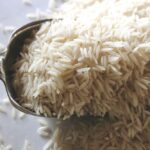
In the heart of agriculture, rice mills stand as pivotal players, transforming the humble grain into a staple that feeds millions. However, as the demand for quality rice continues to soar, the need for optimized operations within these mills has never been more critical. In an industry marked by tight margins and fierce competition, the quest for maximum efficiency and profitability is imperative. This article delves into “10 Essential Steps to Optimize Yoru rice mill plant for Maximum Efficiency and Profitability.” From harnessing cutting-edge technology to refining processes and enhancing workforce capabilities,these steps are designed to empower mill operators and owners to elevate their operations. Join us as we explore practical strategies that not only improve productivity but also contribute to sustainable business practices, ensuring your rice mill remains a cornerstone of both the economy and the community it serves.
Maximizing Output: Key variables to Assess for Optimal Rice Milling Performance
To maximize output in your rice milling operation, focus on the following key variables that directly impact performance: mill design, equipment maintenance, and raw material quality.Each of these factors plays a crucial role in determining efficiency and yield. Make sure to conduct regular assessments of your equipment to prevent breakdowns and ensure smooth operations. For instance, a continuous husker can increase efficiency substantially compared to a traditional one. Regular calibration of milling machines can lead to better grain recovery rates. Consider scheduling preventive maintenance every six months, and keep a detailed log of all maintenance activities to identify recurring issues. Below are some practical points to check:
- Mill Design: Evaluate the current layout to minimize grain handling. A streamlined workflow reduces time lost in transportation.
- Equipment Maintenance: Implement a routine check-up checklist that includes parts like screens, hulling rolls, and fans.
- Raw Material Quality: source premium paddy with lower moisture content (around 14% is ideal) to ensure better milling results and less wastage.
Additionally, keep an eye on the milling process parameters, such as temperature and pressure settings, which significantly influence the quality of the milled rice. For instance,operating under higher pressure settings often leads to higher breakage rates,so maintaining optimal settings is crucial. Utilize real-time monitoring systems to collect data on the milling parameters to identify trends and anomalies. This approach aids in making smarter decisions, such as adjusting parameters based on immediate feedback. Below is a swift reference table to help you make informed choices about your milling parameters:
| Parameter | optimal Range | Consequences of Deviation |
|---|---|---|
| Hulling Pressure | 10-15 PSI | Higher breakage, lower yield |
| Milling Temperature | 50-60°C | Excessive grain damage |
| Moisture Content | 14% | Poor quality, decreased shelf life |

Avoiding Pitfalls: Common Errors That Sabotage Your Rice Mill Efficiency
To ensure optimal efficiency in your rice mill, it’s crucial to be aware of common pitfalls that can sabotage your operations. Many facilities overlook routine maintenance on machinery, which can lead to unexpected breakdowns and costly downtime. Establish a scheduled maintenance program that includes:
- Regular Inspections: Check for wear and tear and replace components like belts or bearings before they fail.
- Calibration of Equipment: Ensure that machines like rice polishers and huskers are properly calibrated to prevent processing irregularities.
- Cleaning intervals: Schedule daily or weekly cleaning sessions to minimize contamination and improve the quality of the final product.
Another significant error is neglecting operator training. Even the most complex machines will underperform if operated incorrectly. Implement a complete training program that emphasizes:
- Standard Operating Procedures (SOPs): Develop clear SOPs for each piece of machinery and ensure all operators are familiar with them.
- Hands-On Training: Conduct regular training drills that simulate real-world scenarios, allowing operators to practice their skills.
- Performance Tracking: Use metrics to evaluate operator performance and address any areas of inefficiency.
Additionally, consider the grain storage environment. Too much humidity can spoil your product, while inadequate pest control can lead to losses.
| Storage Condition | Recommended Action |
|---|---|
| High Humidity | Install dehumidifiers and use moisture meters to maintain ideal moisture levels. |
| Pest Infestation | Regularly inspect grain storage areas and apply pest control measures as needed. |
Tailored Solutions: Selecting Technology That elevates Your Plant’s Productivity
To elevate your rice mill plant’s productivity, it’s essential to select technologies that align specifically with your operational needs. Start by conducting a thorough assessment of your current processes. Identify bottlenecks in production, such as long wait times between milling and packing or excessive downtime due to equipment malfunctions. Once you’ve pinpointed these areas, consider investing in adaptive technology like automated milling systems or real-time monitoring software. For instance, a mill utilizing an integrated control system can optimize yield by adjusting machine settings based on real-time data from sensors, reducing waste and improving product quality. Always ensure that any technological upgrades are compatible with your existing systems to avoid costly integration problems.
When selecting equipment, prioritize features that enhance versatility and scalability to accommodate future growth. Usually, mills overlook the importance of maintenance and technical support when selecting technology, leading to increased downtime when issues arise. To mitigate this, opt for suppliers who offer comprehensive training and extended warranties for their equipment. It’s also beneficial to review case studies and testimonials from similar operations before making a purchase. Consider creating a comparison table that outlines key performance indicators among potential technology options, such as:
| Technology | Implementation time | Cost | Expected ROI |
|---|---|---|---|
| Automated Milling System | 2 months | $50,000 | 20% |
| Real-Time monitoring Software | 1 month | $15,000 | 15% |
By being purposeful in your technology choices and understanding the specific needs of your operations, you’ll position your rice mill for enhanced efficiency and profitability.
Strategic Insights: Real-World Practices for boosting Profit Margins in Rice Milling
To enhance profit margins in your rice milling operations, begin by conducting a thorough analysis of your production costs. Check the following key areas regularly to identify potential savings:
- Raw Material Procurement: Source high-quality paddy at competitive rates. Develop relationships with local farmers or cooperatives to minimize costs and ensure a steady supply. Utilize *forward contracts* to lock in prices during harvest seasons.
- Energy Efficiency: Monitor your energy consumption. Upgrading to energy-efficient machines, such as modern huskers or color sorters, can reduce electrical costs by up to *30%*. Consider implementing renewable energy solutions, such as solar panels, for long-term savings.
- Labor Optimization: Train employees on best practices and ensure there are clearly defined roles to maximize productivity. regular workshops can lead to a *15-20% improvement* in operational efficiency.
Next, focus on operational processes that can significantly impact profit margins. Ensure you have a robust quality control framework in place, which can prevent costly production errors:
- Batch Testing: Implement a strict validation process for every batch of rice milled. Regularly check moisture content and quality at each production stage to avoid losses in milling yield.
- Maintenance Schedules: Invest in predictive maintenance tools to predict equipment failures before they happen. Well-maintained machines can operate at *optimal efficiency*, reducing unplanned downtimes and related costs.
- Data Analytics: Use data analytics tools to track key performance indicators (KPIs) such as yield rates and throughput. Analyzing trends can highlight inefficiencies and suggest actionable improvements.
| Element | Current Rate | Target Rate | Improvement % |
|---|---|---|---|
| Energy Costs | 100% | 70% | 30% |
| Yield Rate | 70% | 85% | 15% |
By focusing on these specific areas, you can make smarter choices that drive efficiency and profitability in your rice milling operations.
To Conclude
As we draw the curtains on our exploration of the ten essential steps to optimize your rice mill plant, it’s clear that success in this industry hinges on a delicate balance of technology, strategic planning, and continual adaptation. by implementing these practices, you not only enhance operational efficiency but also pave the way for greater profitability and sustainability.
remember,the journey towards optimization is not a one-time effort but an ongoing commitment to improvement.As you refine your processes and embrace innovation, you’ll find that each small change can lead to significant gains, fostering a culture of excellence within your operations.In the vibrant world of rice milling, every grain counts—not just in quantity, but in quality and efficiency. By taking these steps, you place your rice mill plant not just on the map, but at the forefront of an evolving industry.So, roll up your sleeves, dive into the details, and watch your plant transform into a beacon of productivity and profitability. The future of your rice mill awaits—let’s cultivate it wisely!