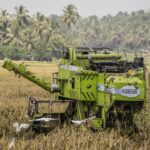
In the ever-evolving landscape of agriculture and food production, the quest for efficiency and sustainability frequently enough leads to innovative solutions tailored for small-scale operations. Among these solutions, mini rice milling machines have emerged as game-changers, transforming the way farmers and entrepreneurs approach rice processing.By blending cutting-edge technology with compact design, these machines not only streamline operations but also significantly enhance productivity. Whether it’s reducing post-harvest losses or improving the quality of the final product, the advantages of mini rice milling machines are manifold. In this article, we’ll delve into the distinct features that make these machines indispensable for small-scale rice milling operations, and explore the myriad ways thay unlock efficiency while supporting local economies and fostering enduring practices. Join us as we unpack the potential of these compact powerhouses in the world of agriculture.
Understanding Mini Rice Milling Machines and Their Role in Small scale Farming
Mini rice milling machines are compact and efficient tools designed to process paddy rice into edible rice. These machines play a crucial role in small-scale farming by enabling farmers to handle post-harvest operations independently, reducing reliance on larger processing facilities. The primary functions of a mini rice milling machine include dehusking, polishing, and separating the rice grains from husks and bran. Key features typically found in these machines include:
- Compact Design: suitable for limited spaces and easy transport on small farms.
- Versatility: Many models can process different varieties of grains, enhancing their utility.
- energy Efficiency: Designed to consume less power compared to larger milling machines.
- User-Friendly Operation: Often equipped with simple controls that require minimal training.
Investing in a mini rice milling machine can significantly improve a small farmer’s operational efficiency and income. By milling their own rice, farmers can save on transportation costs, reduce processing fees, and control the quality of their product, which can be a selling point in local markets. Though, potential buyers should consider factors like machine capacity, maintenance requirements, and the availability of spare parts in their region.When comparing different models, farmers should also assess their specific needs, including the volume of rice they process and their budget. In many cases, brands like Satake and NSK are favored for their reliability and high performance, but local manufacturers may offer more affordable options that fit specific community needs.

Maximizing Productivity: How Mini Rice Mills Transform Local Rice Production
Mini rice mills stand out as a transformative solution in local rice production, particularly for small-scale farmers looking to maximize their efficiency and profitability. These compact machines are designed specifically for the needs of smaller operations, allowing producers to process rice more effectively without the need for extensive facilities or large-scale equipment. By offering a range of functionalities such as hulling,milling,and sorting,mini rice mills help farmers streamline their workflow,resulting in higher output and reduced labor costs. Furthermore, the ability to process rice on-site minimizes the issue of transportation delays and ensures that the grains are fresher and more marketable.
When considering the adoption of mini rice mills, it is essential to understand the benefits they provide, including:
- Cost-Effectiveness: Lower upfront investment compared to large-scale milling machines.
- Space Efficiency: Compact design allows for easy installation in small spaces or existing facilities.
- Operational Versatility: Ability to quickly adjust settings and processes for different rice varieties.
- Quality Control: Improved quality of milled rice, appealing to consumers and increasing sales potential.
- Local Economic Impact: by empowering local producers, mini mills create jobs and stimulate regional economies.
Choosing the right mini rice mill involves comparing features such as milling capacity, energy consumption, and ease of maintenance. Farmers should also consider the availability of spare parts and customer support from manufacturers. Additionally, investing in a machine with a good warranty can help safeguard your investment. As small-scale operations increasingly recognize the advantages of mini rice mills, including the reduction of production costs and enhanced quality control, it becomes clear that these machines are pivotal in transforming local rice production into a more efficient and profitable endeavor.
Debunking Myths: Common Misconceptions About Mini Rice Milling Technology
Many individuals considering investing in mini rice milling technology hold preconceived notions that are often misleading. One common myth is that mini rice milling machines only cater to larger commercial operations. In reality, these machines are specifically designed for small-scale producers, ensuring affordability and compact operation that can fit in limited spaces. They offer a scalable solution for farmers and small business owners who wish to process their rice efficiently without investing in costly industrial equipment. Mini rice mills typically feature:
- Ease of use with simplified controls
- Energy efficiency to reduce operating costs
- Low maintenance requirements
- Portability for versatile usage scenarios
Another misconception is that these mini machines produce lower quality rice compared to traditional milling systems. However, modern mini rice milling machines deploy advanced technologies that ensure high extraction rates and superior grain quality, often comparable to larger machines. It’s crucial for potential buyers to conduct a side-by-side comparison of production efficiency and output quality to see these advancements firsthand.moreover, when selecting a mini rice milling machine, look for features such as:
| Feature | Benefit |
|---|---|
| Automatic classifiers | Enhance sorting and separation of grains |
| Integrated separators | Improve milling efficiency and reduce waste |
understanding the true capabilities of mini rice milling technology can empower entrepreneurs to maximize their operational efficiency while producing high-quality products.
Choosing the Right Mini Rice Mill: Essential Features and Considerations for Small Operators
When selecting a mini rice mill, small operators should focus on several essential features that align with their operational needs and budget.The following aspects should be prioritized:
- Capacity: Mini rice mills come in various capacities, typically ranging from 200 kg to 1000 kg per hour.Consider your production needs to choose a model that balances efficiency with output.
- Type of milling: Look for machines that offer versatile milling options, such as de-husking, whitening, and polishing. A multi-functional mill can save time and reduce the need for additional machinery.
- Efficiency: evaluate the energy consumption and milling efficiency of the rice mill. A machine with a higher efficiency rating will reduce costs in the long run.
- Durability: The build quality is crucial, especially for machines that undergo frequent use. Look for stainless steel parts and robust designs to ensure longevity.
- Maintenance requirements: Choose a rice mill that is easy to maintain. Units that require minimal downtime for repairs can positively impact your overall productivity.
Another important consideration is the availability of after-sales service and support. Finding a reliable manufacturer who offers comprehensive warranties and accessible customer support can save you from significant headaches down the road. Additionally, compare the price points of different models and consider your budget constraints. Remember, while a low-cost option may seem attractive, it’s essential to ensure that the mill meets the necessary quality standards. Here’s a rapid comparison table to help visualize some leading models:
| Model | capacity (kg/hr) | Key Features | Price Range |
|---|---|---|---|
| Model A | 500 | De-husking and whitening | $1,200 – $1,500 |
| Model B | 800 | Multi-functional with low energy consumption | $1,800 – $2,200 |
| Model C | 600 | Compact design, easy to maintain | $1,000 – $1,300 |
Wrapping Up
the journey towards efficient rice processing begins with the integration of mini rice milling machines into small-scale operations. These compact powerhouses not only enhance productivity but also empower farmers and entrepreneurs to seize control of their grain quality and profitability.By unlocking a myriad of benefits—ranging from reduced labor costs and energy consumption to improved accessibility and ease of use—mini rice milling machines represent a transformative step forward in the agricultural landscape. As we move toward a more sustainable and efficient future, embracing these innovations will not only elevate individual enterprises but can also contribute to a thriving community where quality and efficiency reign supreme. Investing in mini rice milling technology is not just a choice; it’s a commitment to nurturing growth, sustainability, and the potential of small-scale agriculture. with the right tools at hand,the possibilities for success are as abundant as the harvest itself.