In the heart of rice cultivation, a silent revolution is unfolding—one that harmonizes age-old agricultural practices with the principles of sustainability. Mini rice polishers, once mere tools for enhancing grain quality, are now emblematic of a broader shift towards eco-pleasant farming techniques. This transformation is not just about refining rice; it embodies a journey of innovation that respects tradition while responding to contemporary environmental challenges. As farmers embrace these compact machines, they’re finding new ways to cultivate not only their crops but also a enduring future. This article explores the evolution of mini rice polishers and their role in fostering a more resilient agricultural landscape, illustrating how these small machines are making a big impact in the realm of sustainable farming.
rediscovering Roots: How Mini Rice Polishers breathe New Life into Age-Old Farming Practices
In the heart of rural India,an old farmer named Ramesh found himself at a crossroads. For years, he had relied on customary methods to harvest and process rice, often spending long hours polishing the grains by hand. The labor was grueling, and while he cherished the wisdom of his forebearers, ramesh felt the weight of this practice burdening his family’s future. One day, at a local agricultural fair, he stumbled upon a presentation of mini rice polishers. Intrigued, he observed how quickly and efficiently the machine could transform raw, unpolished rice into shiny, market-ready grains. This simple yet innovative technology, showcasing a blend of tradition and modernity, sparked a decision moment for Ramesh. Could this small machine breathe new life into his age-old methods without stripping away the essence of his cultural heritage?
As Ramesh took a leap of faith and invested in the mini rice polisher, he faced immediate challenges. Initially overwhelmed by the machine’s operation, he spent nights experimenting with different settings and techniques. However, he soon found that not only did it significantly reduce his processing time, but it also increased the quality of the rice, fetching a better price in the local markets.His experience mirrored that of other farmers in the region—like Priya, a young farmer who, despite her initial skepticism, embraced the technology and witnessed her yields double within a season. Through workshops and community gatherings, these farmers shared their lessons and successes, revealing contrasts between their initial expectations of loss and the reality of newfound prosperity. the mini rice polisher became more than a tool; it evolved into a symbol of resilience, empowering a new generation to honor their roots while navigating the challenges of modern agriculture.
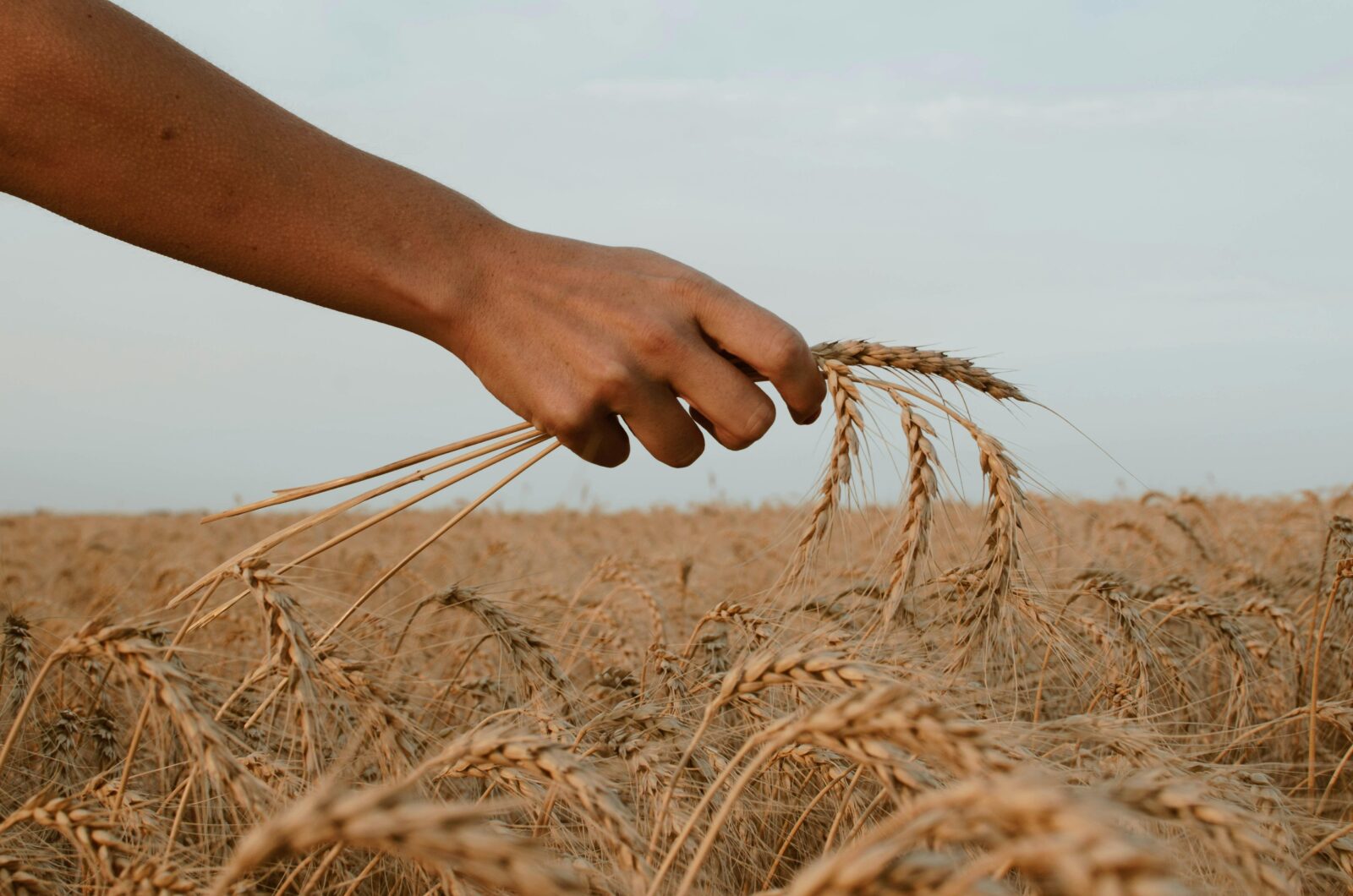
Facing the Grain: Navigating the Challenges and Triumphs of adopting Modern techniques
For many farmers, the decision to adopt mini rice polishers was not simply about enhancing production; it was a deeply personal journey shaped by generations of tradition.Take the case of Ramesh,a rice farmer from Assam. Initially, he was skeptical of the new technology, as his family had been handpicking rice for decades. The thought of switching to a modern technique felt like turning his back on his roots. Though, after a particularly poor season where traditional methods yielded significantly lower returns, Ramesh found himself at a crossroads. Faced with the pressure of mounting debts and a growing family to support, he decided to give the mini rice polisher a trial run. The results were transformative; not only did he increase his yield, but he also gained time to spend with his children rather of working long hours in the fields. This shift not only improved his financial stability but also allowed him to pass on a healthier balance of tradition and modernization to his children.
Yet, the shift isn’t always smooth. For some, the challenges of adopting mini rice polishers often come unexpectedly. Anil, another farmer, experienced a tough transition; he underestimated the learning curve. The initial excitement quickly turned into frustration when the machinery malfunctioned — a stark contrast to his expectations of seamless efficiency. Financially strained and feeling defeated, Anil sought help from a local cooperative that had embraced the technology more successfully.Through hands-on workshops and shared experiences, he learned how to maintain the equipment and best practices for optimizing its use. Over time, Anil not only repaired his relationship with the technology but also became a local advocate, helping others navigate similar pitfalls. The triumphs and trials of adopting modern farming techniques ultimately underscored a crucial lesson for many in the community: the blend of innovation with traditional agrarian wisdom can yield success beyond what either could achieve independently.
Turning points on the Field: stories of Farmers Embracing Change Amidst tradition
In the heart of rural India, where the landscape is dotted with golden fields of rice, the journey toward sustainable farming often hinges on change. Take Kumar, a seasoned farmer from the outskirts of Varanasi, who had long depended on traditional milling methods to produce rice. For years, he and his family struggled with the labor-intensive process, which left them with considerable waste and limited profits. One day, while attending a local farmer’s fair, he stumbled upon a demonstration of a mini rice polisher. intrigued by its promise of efficiency and lower waste, Kumar faced a critical decision: cling to the familiar or embrace this new technology. After much deliberation, he opted to invest in the polisher. The results were startling; not only did he reduce waste by 30%, but he also noticed a significant enhancement in the quality of his rice. Customers began to prefer his polished rice over others, leading to increased demand and better pricing.
This shift was not without challenges, however. Kumar soon learned that adopting new methods required him to rethink his entire operational framework. His initial expectation of a seamless transition was met with reality, as the learning curve proved steep. For instance, adapting his drying processes to match the polisher’s output took several attempts.yet, he wasn’t alone in this journey. his neighbor, Meena, who took the plunge shortly after him, faced similar hurdles, particularly in mastering the machine’s settings. Yet, through shared experiences, both farmers began to refine their techniques. They created a local cooperative, where they exchanged ideas and resources, amplifying the benefits of their investments. Today, Kumar and Meena not only enjoy greater profitability but also instill a sense of community among their fellow farmers, who begin to see that sustainable practice isn’t just about technology; it’s about collaboration and shared growth.
From Harvest to hope: The Lasting Impact of Mini Rice Polishers on Sustainable Agriculture
In the picturesque village of Banswara,Rajasthan,the landscape is dotted with lush rice paddies. Here, the monsoon rains play a pivotal role in the farmers’ annual rhythm.Among them is maya, a smallholder farmer who has spent her life cultivating rice in the traditional manner. Yet, every season, she faced a common dilemma: how to enhance the quality of her harvest and minimize post-harvest losses. After hearing about mini rice polishers at a local agricultural fair, she decided to take a leap of faith. The decision was not without its challenges; the initial investment felt daunting, and doubts lingered about whether these machines could truly deliver better results than manual methods. However,Maya was motivated by the potential of empowering her family and community through improved yield quality.
The following harvest transformed her expectations into reality. Utilizing the mini rice polisher, Maya managed to reduce grain breakage significantly, improving her marketability. as a direct result, her income increased by nearly 30%, allowing her to invest in her children’s education and purchase necessary supplies for the farm.This shift not only benefitted Maya but also had a ripple effect on her neighbors,who began to adopt similar technologies.Suddenly,a sense of collective hope arose within the village. They organized workshops to share knowledge about mini rice polishers, nurturing a network of learning that transcended competition.Maya’s story exemplifies a larger trend, shining a light on how appropriate technology can forge a path toward sustainable agriculture, where the fruits of one person’s labor can uplift an entire community. Here’s a look at some of the broader impacts:
- increased Income: Many farmers reported income increases of 20-30% within their first year of using rice polishers.
- Community Workshops: Over 50 farmer groups formed to facilitate skill-sharing and empower others in adopting sustainable practices.
- Educational Investments: Families focused on education for children, leading to a gradual shift in community literacy levels.
In this way, from humble paddies to bustling marketplaces, the journey from harvest to hope illustrates a broader narrative of resilience and innovation in sustainable agriculture. Each decision a farmer makes has the potential to not only change their life but to elevate a whole community towards a sustainable and prosperous future.
To Conclude
As we stand at the crossroads of tradition and innovation, the journey of mini rice polishers illuminates the path toward sustainable farming practices.These remarkable machines not only offer a glimpse into the past but also pave the way for a future where agriculture and sustainability harmoniously coexist. By embracing these tools, farmers are not merely refining their harvests; they are redefining their connection to the land and their communities.
as we reflect on this transformation, it becomes clear that the true essence of progress lies in our ability to honor the wisdom of traditions while adopting the innovations that propel us forward. With each grain polished and each farm revitalized, the mini rice polishers serve as a testament to our collective commitment to nurturing both our agricultural heritage and the environment.
In this ongoing journey,collaboration and creativity will be key. As we explore the countless possibilities that lie ahead, let us remain mindful of the delicate balance between tradition and modernity, ensuring that the legacy of sustainable farming continues to flourish for generations to come. The story of mini rice polishers is just beginning, and its chapters are ours to write.