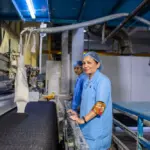
In the heart of agricultural landscapes around the world, rice has long been a staple, sustaining economies and feeding billions. Traditionally cultivated and processed through age-old methods, this essential grain has stood the test of time. Yet, as global populations soar and the demand for efficiency and sustainability increases, the rice industry is witnessing a transformative shift. Enter advanced rice processing machines—marvels of engineering that revolutionize the way we harvest, mill, and distribute this crucial crop. This article delves into the cutting-edge technologies reshaping rice processing, exploring their impact on productivity, resource management, and the livelihoods of farmers worldwide. As we navigate this intersection of tradition and innovation, we uncover how these machines are not just changing the way we grow rice, but are also redefining the future of global agriculture.
Rethinking Heritage: The Unseen Environmental Costs of high-Tech Rice Processing Innovations
The integration of high-tech rice processing innovations, while heralded for their efficiency and productivity, often obscures important environmental costs that warrant closer examination.Traditional rice milling practices, which relied heavily on manual labor and time-consuming processes, fostered a deep connection between communities and their surroundings. In contrast, mechanized approaches tend too prioritize output over ecological considerations, leading to unintended consequences such as:
- Increased energy consumption: Modern processing plants typically rely on fossil fuels or high electricity usage, contributing to a larger carbon footprint.
- Water usage inefficiencies: Advanced machines may enhance throughput but can also exacerbate water scarcity issues if not carefully managed, especially in regions prone to drought.
- Chemical dependencies: The move towards automation can encourage the use of synthetic pesticides and fertilizers, accelerating soil degradation and detrimental impacts on local biodiversity.
Navigating these challenges requires nuanced strategies that balance innovation with ecological stewardship. Stakeholders in the agricultural sector shoudl consider adopting hybrid approaches that blend traditional methods with modern technology, fostering a sustainable balance.Key recommendations include:
- Investing in renewable energy sources for processing facilities to mitigate carbon emissions.
- Implementing water recycling systems within processing plants to conserve vital resources.
- Promoting integrated pest management (IPM) techniques that reduce dependence on chemicals by leveraging natural predators and biodiversity.
By embracing these strategies,the agricultural community can harness advanced technology without sacrificing environmental heritage,ensuring that progress does not come at the cost of our natural resources.

Beyond Efficiency: Evaluating the Impact of Automation on Smallholder Farmers in Rice Production
While automation undoubtedly enhances operational efficiency on rice farms, it’s broader impact on smallholder farmers requires nuanced evaluation. Automation can offer remarkable benefits, including increased yield, reduced labor costs, and decreased post-harvest losses.Though, these gains come with significant distinctions that must be assessed. For instance, farmers may experiance initial capital investment challenges, as advanced machines often come with a hefty price tag that smallholders may struggle to afford. This leads to a potential divergence: those who can invest in technology may prosper,while others may fall further behind,exacerbating existing inequalities. Critical questions arise regarding access to finance, training for machine operation, and ongoing maintenance, which can create disparities in outcomes among smallholder communities.
Trade-offs also extend into the realm of labor dynamics. While automation can alleviate the physical demands of rice production, the socio-economic implications of reduced labor demand are profound. It could lead to job displacement for seasonal workers, particularly in regions where agriculture is a primary source of livelihood.Smallholder farmers might need to adapt by developing new skills or seeking alternative income streams, which raises concerns about the long-term viability of family farms. A balanced approach must be pursued that considers both the environmental and socio-economic contexts; it’s essential to provide robust support systems that combine technology adoption with skill progress and financial instruments. cooperative models that pool resources and share machinery could also enhance access and ensure that the benefits of automation are more evenly distributed across smallholder populations. Understanding these complexities fosters an environment where technology complements traditional practices rather than undermines them, ultimately leading to a more sustainable agricultural future.
Tech vs. Tradition: A Critical Look at the Overhyped benefits of Advanced Processing in Sustainable Agriculture
While the allure of advanced processing technologies in sustainable agriculture, particularly in rice production, is undeniable, an uncritical embrace of these innovations can obscure significant trade-offs. Advanced processing machines promise enhanced efficiency, improved yield quality, and reduced labor costs, but they also entail a range of local and systemic challenges.for instance:
- Capital Investment: High upfront costs for sophisticated machinery can be prohibitive for small-scale farmers, perhaps exacerbating inequalities in agricultural production.
- Dependence on Technology: Increased reliance on automated systems could lead to skill atrophy among farmers, threatening traditional knowledge that has been honed over generations.
- Environmental Impact: While some advanced processes aim to reduce waste, the energy consumption associated with high-tech machinery can negate these benefits if derived from non-renewable sources.
Moreover,the assumption that cutting-edge technology automatically leads to sustainable practices must be scrutinized. advanced solutions often neglect established agronomic principles, such as crop rotation, soil health, and biodiversity. A more balanced approach prioritizes a blend of tech and tradition, allowing for the integration of modern techniques while maintaining the ecological benefits of conventional practices. A nuanced advice woudl be to foster a dual framework where:
| Traditional Practices | advanced Technologies |
|---|---|
| Crop rotation and mixed farming | Precision agriculture for better input management |
| Manual harvesting techniques | Efficient processing machinery |
| Local seed varieties | Data-driven genetic improvements |
This framework not only respects the cultural heritage of rice farming but also aligns with the technological advancements that can promote sustainability. Striking the right balance between tech and tradition will be essential for fully realizing the potential of advanced rice processing machines without overlooking the very principles of sustainability they aim to support.
Navigating the Rice Revolution: Balancing modern Mechanization with Cultural integrity and Community Needs
The intersection of modern mechanization and cultural integrity in rice production presents a complex landscape that demands careful navigation. As advanced rice processing machines enter traditional farming environments, it’s essential to recognize that technology is not a panacea. While mechanization can considerably enhance productivity and efficiency, it risks marginalizing age-old agricultural practices and the communities that rely on them. The following distinctions are crucial for a balanced approach:
- Efficiency vs. Heritage: introducing modern machinery might optimize yield,but it could also mean the loss of traditional farming techniques that nurture community identity and wisdom.
- Local Economy vs.Global Markets: Advanced processing can open pathways to international markets, yet this may lead to the dominance of large corporations, overshadowing local producers and undermining local economies.
- Scalability vs. Sustainability: Large-scale mechanization holds promise for productivity increases, but at what ecological cost? A one-size-fits-all model risks overlooking the diverse agricultural ecosystems that rice is embedded within.
To strike a harmonious balance, stakeholders should consider a dual approach: combining modern technology with traditional techniques. As a notable example, selective mechanization—where machines complement rather than replace human labor—can optimize productivity while sustaining cultural practices. Furthermore,establishing cooperative models can empower local farmers to leverage technology collectively without losing their autonomy. Regular community dialogues should be instituted to assess the needs of farmers, ensuring that mechanization aligns with socio-cultural goals rather than imposing foreign efficiencies.This approach fosters not only agricultural resilience but also encourages a vibrant community ethos, making room for both innovation and tradition to coexist.
Future Outlook
As we stand at the crossroads of tradition and innovation, it is clear that advanced rice processing machines are more than just technological enhancements; they embody a shift in how we nurture and sustain our global food supply. By marrying age-old agricultural practices with cutting-edge machinery, we are witnessing a transformation that not only increases efficiency and productivity but also promotes sustainability and quality. This revolution in rice processing signifies a new era for farmers, consumers, and economies worldwide, empowering communities to thrive in an ever-evolving landscape. As we look to the future, it is essential to embrace these advancements while honoring the rich heritage of rice cultivation. In doing so, we can create a harmonious balance between progress and tradition, ensuring that the grains that have sustained civilizations for millennia continue to nourish our world for generations to come.