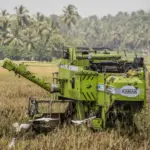
In the world of agriculture adn food processing, rice stands as a staple commodity, its significance stretching across cultures and cuisines. As countries strive for greater self-sufficiency and efficiency in their agricultural endeavors, the demand for innovative solutions in rice processing has surged. At the heart of this evolution are mini rice milling machines—compact, efficient tools that redefine conventional milling practices. This article delves into the captivating realm of mini rice milling machines, exploring their myriad benefits, distinctive features, and crucial comparisons that can significantly enhance rice processing operations. whether you are a small-scale farmer, a food entrepreneur, or simply an enthusiast of agricultural technology, understanding these machines is key too unlocking the potential of rice production.Join us as we embark on a journey to discover how these remarkable machines are not merely instruments of industry, but catalysts for improved livelihoods and lasting agricultural practices.
Exploring the Essentials of Mini Rice Milling Machines for Modern Processing Needs
Mini rice milling machines are compact solutions designed to streamline the process of rice processing on a smaller scale, catering primarily to small-scale farmers, entrepreneurs, and small businesses. These machines serve multiple functions such as hulling, milling, and polishing, thus making rice production more efficient and cost-effective. Some essential features that make these machines particularly appealing include:
- Size and Portability: Mini rice milling machines are typically lightweight, making them easy to transport and fit into smaller spaces.
- Energy Efficiency: Many modern models are designed to consume less power while maximizing output.
- multifunctionality: They often come equipped with features for cleaning, de-stoning, and grading rice, enabling a more comprehensive processing capability.
- User-Pleasant Operation: With intuitive controls, even novice operators can run these machines effectively.
When considering potential issues,owners should assess the machine’s output capacity and how it aligns with their operational needs. As an example,while mini machines may not meet the high throughput of larger industrial models,they are ideal for processing small batches efficiently. Comparing various models can provide insights into durability, performance, and maintenance requirements. Key factors to evaluate include:
| Feature | Machine A | Machine B |
|---|---|---|
| Output Capacity (kg/hr) | 200 | 150 |
| Power Consumption (kW) | 1.5 | 1.2 |
| Price ($) | 800 | 700 |
By considering these features and comparisons, users can make informed decisions based on their specific processing needs, ensuring they select a mini rice milling machine that combines efficiency with convenience.
Unlocking the Advantages of Mini Rice Mills: Efficiency, Cost, and Quality Insights
The mini rice milling machine stands out in the agricultural sector as an innovative solution for small to medium-scale rice processing. Its primary advantages revolve around three key areas: efficiency, cost-effectiveness, and quality of output. unlike traditional larger milling systems, mini rice mills are designed to deliver important output without requiring extensive infrastructure. They are compact and often powered by electricity or diesel, making them versatile for various locations.Efficiency is further enhanced by features such as automated operations, simpler maintenance, and reduced water consumption during the milling process. Additionally,many modern mini rice mills come equipped with advanced technology that ensures better milling precision,allowing for higher yield rates and lower breakdown risks.
Investing in a mini rice mill can lead to ample cost savings compared to traditional milling systems. Consider the following benefits:
- Lower Initial Investment: Mini rice mills require less capital outlay, making them accessible for small-scale farmers or entrepreneurs.
- reduced Operating Costs: With lower energy consumption and minimal labor requirements, operational expenses are significantly lower.
- Enhanced Quality Control: Smaller scale operations allow for more hands-on management, resulting in superior rice quality. Minimally processed rice retains moast of its nutritional value, appealing to health-conscious consumers.
when comparing mini rice mills to their larger counterparts, it’s significant to assess not just the price but also the overall value they offer. For instance, a mini mill might provide up to 65% of the capacity of traditional models while delivering better milling quality and reduced waste. Innovators in this space increasingly focus on machinery that meets diverse buyer requirements, so it’s advisable to evaluate options based on throughput capacity, energy efficiency, and ease of operation. Selecting the right mini rice mill can significantly elevate operational productivity, consistently ensuring high-quality rice for markets and consumers alike.
Debunking Myths: The Realities of mini Rice Milling Machines in Today’s Agriculture
The prevalence of mini rice milling machines has given rise to various myths that can mislead potential buyers and users. One common misconception is that these machines produce lower quality rice compared to traditional milling systems. In reality,many mini rice milling machines are engineered with advanced technology to ensure high-quality milling,maintaining the nutritional profile and flavor of the rice. they often include features such as adjustable milling lengths, superior husking efficiencies, and polishing options that help achieve uniform quality. Additionally, these machines are designed for ease of use, allowing farmers to mill their rice on-site, which minimizes the risk of contamination and reduces the time from harvest to market.
Another myth is that mini rice milling machines are only suitable for small-scale production, unable to meet the demands of larger operations. While they are indeed perfect for small to medium enterprises, many models are capable of supporting higher output needs. The versatility of mini rice mills is noteworthy; they can efficiently process varying amounts of paddy rice,making them suitable for diverse agricultural contexts. Factors to consider when selecting a machine include:
- Capacity: Assess the milling capacity (in kg/hour) based on your production needs.
- Power Consumption: Evaluate energy needs to ensure efficiency and cost-effectiveness.
- Maintenance: Consider ease of maintenance and availability of spare parts.
- Portability: Ensure that the machine suits your operational layout, whether stationary or mobile.
By understanding these aspects, you can make an informed decision that ensures your mini rice milling operation thrives without falling prey to misconceptions.
A Comprehensive Guide to Choosing the Right Mini Rice Milling Machine for Your Operations
When evaluating your options, compare key features of different models, such as durability, ease of maintenance, and availability of spare parts. In a competitive market, ensure you check the warranty and customer service offered by manufacturers. A comparison table can provide a fast reference for side-by-side evaluations. As an example:
| Model | Capacity (kg/h) | Power (kW) | Price Range ($) | Efficiency (%) |
|---|---|---|---|---|
| Model A | 500 | 5 | 1,500 – 2,000 | 90 |
| Model B | 1000 | 7.5 | 2,200 – 2,800 | 95 |
| Model C | 1500 | 10 | 3,000 – 3,800 | 92 |
By understanding these aspects, you’ll be better equipped to make an informed decision that not only fits your budget but also enhances your overall rice milling operations.
The Way Forward
as we navigate the intricate landscape of rice processing,mini rice milling machines emerge as invaluable allies for both small-scale farmers and commercial enterprises. Their compact design and advanced technology offer a myriad of benefits, from enhancing efficiency to reducing operational costs. by understanding the essential features and making informed comparisons,stakeholders can identify the perfect machine that aligns with their unique needs and production goals.
Embracing these innovations not only facilitates superior rice processing but also fosters sustainable agricultural practices and boosts local economies. As the demand for rice continues to grow globally, the adoption of mini milling technology stands to revolutionize the way we cultivate, process, and enjoy this staple crop. Here’s to a future where efficiency meets quality, ensuring that every grain of rice contributes to a better world.