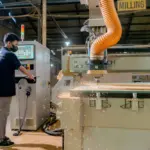
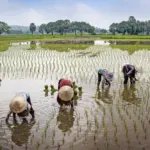
In the heart of rural landscapes, where sun-kissed fields sway gently in the breeze, the rich tradition of rice harvesting unfolds. For centuries, this labor-intensive process has been the lifeblood of agrarian communities, shaping economies and cultures alike. However,as the world evolves,so too does the machinery that transforms grain from crop to kitchen. Enter the mini rice mill—a remarkable innovation that is redefining efficiency and accessibility in rice production. In this article, we will explore the evolution of combine mini rice mills, tracing their journey from simple mechanical origins to complex machines that marry customary techniques with modern technology. Join us as we delve into the mechanisms driving this revolution, highlighting how these compact powerhouses are streamlining harvests and empowering farmers around the globe.
Shifting Paradigms in Rice milling Technology
The advent of mini rice mills has heralded a new era of efficiency in rice milling, transforming traditional practices into streamlined operations that optimize both time and resources. These compact machines,designed for small-scale farmers and agricultural entrepreneurs,have integrated advanced technologies to enhance the milling process while ensuring that quality remains paramount. The transition from larger, older milling equipment to these innovative units has facilitated meaningful reductions in labor and energy costs, ultimately enabling producers to deliver fresher, higher-quality rice to consumers.
Moreover, the environmental impact of rice milling has come under scrutiny, pushing manufacturers to innovate further. Today’s mini rice mills incorporate features such as biomass energy utilization and water recycling systems, significantly decreasing their carbon footprint. As these mills gain widespread adoption, local economies benefit from increased productivity and reduced post-harvest losses. A recent analysis highlighted the significant features of mini rice mills:
| Feature | Benefit |
|---|---|
| Small Footprint | Easy to install and operate in small spaces |
| energy Efficiency | Lower power consumption compared to traditional mills |
| Automated Processes | Reduced manual labor and improved consistency |
| Mobile Design | Flexibility to operate directly on farms |

Optimizing Efficiency Through Advanced Design
In the pursuit of enhancing performance and reducing resource consumption, innovations in engineering have significantly influenced the design of mini rice mills. Advanced machinery now incorporates ergonomic features that refine operator experience while maximizing output. Components such as innovative threshing mechanisms and fuel-efficient motors not only minimize energy usage but also improve processing speeds. Key benefits include:
- compact Footprint: Easily adaptable to various agricultural settings.
- Automated Functionality: Streamlined operations allow for minimal manual intervention.
- Versatile Processing: Capable of handling different rice varieties without significant modifications.
The integration of smart technology further enhances these mills, enabling real-time monitoring of both performance metrics and environmental conditions. A notable advancement is the incorporation of IoT sensors, which provide essential data analytics for operational optimization. These features culminate in a more informed decision-making process, resulting in:
| Feature | Benefit |
|---|---|
| Real-time Data tracking | Improved operational oversight for more efficient harvests. |
| Predictive Maintainance alerts | Minimized downtime through timely interventions. |
Collectively, these advancements underscore a commitment to sustainability and efficiency within the agricultural sector, ensuring that every grain of rice is harvested with utmost care and precision.
Sustainability Practices in Modern Mini Rice Mills
Modern mini rice mills are increasingly adopting sustainability practices that not only enhance operational efficiency but also contribute positively to the environment. By integrating eco-amiable technologies, these mills minimize waste and make better use of resources. For instance, the incorporation of biomass energy systems allows mills to utilize rice husks and bran as a fuel source, reducing reliance on fossil fuels. Other innovative practices include the implementation of water conservation techniques and the use of solar panels to power machinery, significantly decreasing the carbon footprint associated with rice milling operations.
moreover, sustainable management practices play a pivotal role in enhancing the overall quality of rice production. Many mini rice mills have turned to organic farming techniques, which do not involve synthetic fertilizers and pesticides, promoting healthier soil and crops. Additionally, the establishment of recycling processes for packaging materials reduces waste and encourages responsible consumption among farmers and consumers alike. Collectively, these practices foster a circular economy within the rice production sector, ensuring that both environmental sustainability and economic viability are upheld.
| Sustainable Practice | Benefits |
|---|---|
| Biomass Energy Systems | Reduces fossil fuel dependency |
| Water Conservation Techniques | Minimizes water usage and waste |
| Solar Power Integration | Lowers electricity costs and emissions |
| Organic Farming Methods | Enhances soil health and crop quality |
| Packaging Recycling | Reduces waste and promotes sustainability |
Future Trends and Innovations in Harvest processing
The future of harvest processing is poised for significant change, driven by advancements in technology and a growing emphasis on sustainability. Smart technologies, such as IoT and AI integration, are expected to enhance the efficiency of mini rice mills, allowing for real-time monitoring of the milling process. Farmers will benefit from automated systems that can adjust parameters for optimal efficiency, leading to improved grain quality and reduced waste. Alongside these innovations, the rise of renewable energy sources will play a crucial role in powering these mills, decreasing reliance on fossil fuels and minimizing the environmental impact associated with rice production.
Moreover, there will be a notable shift towards modular designs and customizable options in mini rice mills, catering to the diverse needs of smallholder farmers. As they require scalable solutions, manufacturers will likely offer units that can be expanded or integrated with additional features as demand grows. This flexibility not only enhances functionality but also drives down costs. Additionally, innovations in supply chain management, including blockchain technology, will ensure greater traceability and quality control from farm to mill. This holistic approach to harvest processing will streamline operations, empower farmers, and promote sustainability within the industry.
The Way Forward
As we draw the curtain on our exploration of combine mini rice mills, it’s clear that the evolution of these machines has become a pivotal chapter in the story of modern agriculture. By intertwining technology with tradition, these compact powerhouses are not just enhancing efficiency; they are redefining the very nature of harvesting itself. The journey from labor-intensive methods to contemporary mechanization reflects a broader commitment to sustainability, productivity, and the livelihoods of farmers across the globe.
As we look to the future, the potential for further innovation in mini rice mills holds promise for addressing food security challenges and fostering economic growth in rural communities. With every grain harvested, these machines symbolize progress, proving that even the smallest changes can lead to significant outcomes.Embracing these advancements may very well pave the way for a more resilient and prosperous agricultural landscape. the story of combine mini rice mills is not just about machinery; it’s about nurturing the roots of agriculture while cultivating a sustainable future.