revolutionizing Agriculture: The Efficiency of Mini Rice Mills
In a world where food security and enduring practices have taken center stage, the agricultural sector stands at a crossroads, beckoning innovation that meets the growing demands of a changing climate and population. Among the emerging technologies reshaping the landscape of farming is the mini rice mill—a compact,efficient solution poised to transform rice production and processing. These convenient machines are not merely tools; they represent a broader shift towards modernization in agriculture, empowering smallholders and improving livelihoods across rural communities. As we delve into the intricacies of mini rice mills, their operational efficiency, and the broader implications for sustainable rice cultivation, one can appreciate how these devices are not just revolutionizing agriculture, but are also nurturing a vision of food systems that are resilient, equitable, and mindful of the environment. Welcome to the future of agriculture—where every grain counts and every innovation matters.

Shaping the Future of Farming with Compact Technologies
The agricultural landscape is witnessing a significant change with the rise of compact technologies, particularly mini rice mills that promise enhanced efficiency and convenience. These innovative machines are designed to address the needs of smallholder farmers, enabling them to process rice with minimal space requirements and reduced labor costs. By utilizing advanced milling techniques and incorporating user-kind interfaces, these mills empower farmers to take control of their production processes and increase their profitability. The compact nature of these mills ensures that farmers can operate them effectively even in smaller farms, making modern agricultural practices accessible to everyone.
The impact of mini rice mills extends beyond individual farms; they contribute to sustainable agricultural practices and food security. These machines consume less energy and can be powered by renewable energy sources, aligning with global efforts to reduce carbon footprints. Moreover, the integration of smart technology allows for real-time monitoring of the milling processes, providing farmers with valuable insights into productivity and quality control. As communities adopt these compact milling solutions, they foster economic empowerment and stability, bridging the gap between conventional methods and modern agricultural innovations.
| Feature | Benefit |
|---|---|
| Compact Size | Requires minimal space, ideal for small farms |
| Energy Efficient | Lower operational costs, potential for renewable energy use |
| User-Friendly | Simple operation, caters to all skill levels among farmers |
| Smart Technology | Real-time monitoring for enhanced productivity |
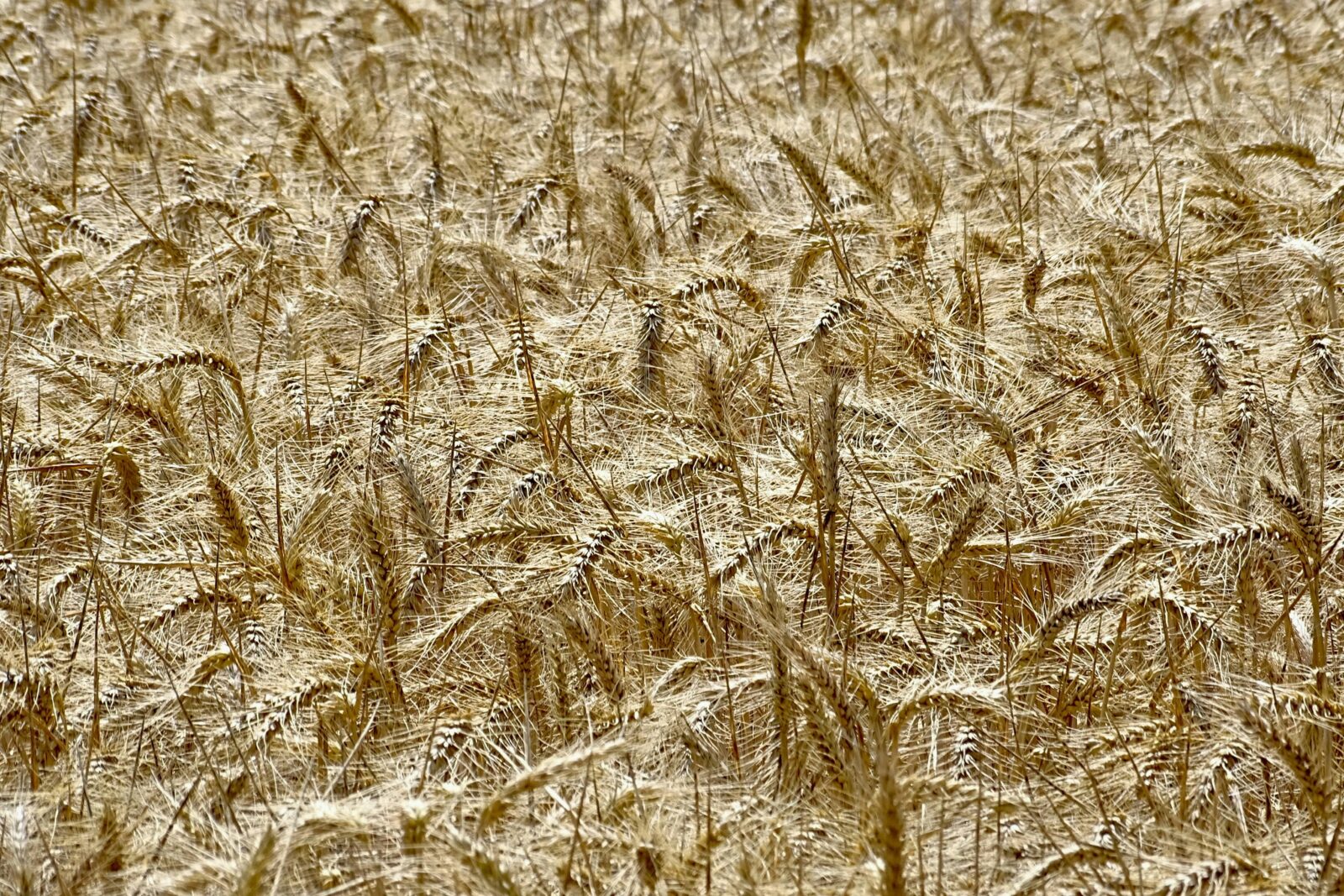
Enhancing Crop Sustainability through Efficient Milling Practices
Mini rice mills are emerging as a game-changer in agricultural practices, fostering a significant impact on crop sustainability. By streamlining the milling process, these compact machines not only enhance the efficiency of rice production but also minimize post-harvest losses. Key benefits include:
- Reduced Energy Consumption: Smaller milling operations consume less energy, making them environmentally friendly.
- Higher Precision: Advanced milling technology ensures that more grains are processed with less waste.
- Local Engagement: Accessible mini mills empower local farmers to produce and sell their rice, boosting community economies.
Moreover, the integration of sustainable milling techniques presents a holistic approach to farming. Adopting practices such as water conservation and optimal resource management not only supports productivity but also respects ecological balance. The table below highlights the advantages of modern mini rice mills over traditional milling methods.
| Feature | Traditional Milling | Mini Rice Mills |
|---|---|---|
| Energy Efficiency | High | Low |
| Cost of Operation | Higher | Lower |
| Crops Wasted | More | Less |
| Local Investment | Minimal | Significant |
By adopting these efficient milling practices, farmers can ensure a more sustainable approach to agriculture, safeguarding both their livelihoods and the environment for future generations.
Cost-Effectiveness and Accessibility of Mini Rice Mills
The introduction of mini rice mills has transformed the financial landscape for small-scale farmers. These machines, designed for efficiency and ease of use, significantly reduce the costs associated with rice milling. By utilizing a mini rice mill, farmers can enjoy the following benefits:
- Lower Initial Investment: Mini rice mills require less capital compared to larger counterparts, making them accessible to a broader range of farmers.
- Reduced Milling Fees: Owning a mini rice mill eliminates the need to pay external milling services, allowing farmers to retain more profit from their harvests.
- Operational Efficiency: These mills consume less power and require minimal maintenance, translating to further savings in long-term operational costs.
in terms of accessibility, mini rice mills are particularly beneficial in remote agricultural regions where traditional milling options may be scarce or prohibitively expensive. Farmers can easily transport these smaller units, making it possible to set them up directly in the fields. This local processing results in:
| Advantages | Impact |
|---|---|
| Faster Turnaround times | Minimizes post-harvest losses by quickly processing rice. |
| Quality Control | Farmers can monitor and ensure the quality of their rice. |
| Job Creation | Encourages employment opportunities within rural areas. |
Moreover, the compact design and user-friendly interface of mini rice mills encourage their adoption among younger generations of farmers who value innovation and sustainability. As demand for locally-sourced, freshly-milled rice continues to grow, these mills provide an opportunity for smallholder farmers to thrive while promoting food security in their communities.
Empowering Small Farmers: Strategies for Adoption and Success
To enhance the operational efficiency of small farmers, the integration of mini rice mills presents a transformative opportunity. These compact units not only reduce the need for extensive machinery but also enable farmers to process their rice directly on their farms, preserving the quality of their produce.By empowering farmers with ownership of the milling process, they can significantly decrease post-harvest losses and increase profit margins. Training programs focused on the operation and maintenance of these mills can play a crucial role, ensuring that farmers are not just users, but proficient managers of their own processing units. Access to local resources, such as workshops and peer support groups, further boosts confidence and skill growth among farmers.
Moreover, implementing a community-based approach can drive widespread adoption of mini rice mills. Small farmers can collaborate to share resources, knowledge, and even the financial burden of acquiring these mills. This cooperative model can help reduce costs and foster a strong sense of community and shared purpose. By initiating schemes that focus on collective purchasing, farmers can negotiate better prices for equipment and maintenance services. Partnerships with agricultural organizations and NGOs can also facilitate access to micro-financing options for farmers wishing to invest in these technologies.Through these synergistic strategies, small farmers can achieve enhanced productivity, sustainability, and a more secure economic future.
| strategy | Benefit |
|---|---|
| Training Programs | Enhances operator skills and efficiency |
| Community Collaboration | Reduces costs and fosters support |
| Micro-Financing | Improves accessibility to technology |
In Conclusion
the rise of mini rice mills represents a transformative shift in the agricultural landscape, merging efficiency with sustainability in a way that empowers smallholder farmers and enhances food security. By embracing technology that scales down operations while maintaining high productivity, these innovative machines offer a practical solution to the challenges faced by traditional milling methods. As we continue to explore the intersections of agriculture and technology, it’s clear that mini rice mills are not just a trend, but a fundamental step towards revolutionizing food production. With their potential to democratize rice milling, they pave the way for a more resilient agricultural future where every grain counts, and every farmer thrives. The journey to efficient, sustainable agriculture has only just begun—one mill at a time.