In the heart of countless kitchens and bustling markets across the globe lies a process that transforms a simple grain into a versatile staple: maize milling. Often overlooked, this intricate art blends tradition with technology, weaving together age-old techniques and modern machinery. As we embark on this exploration of maize milling, we will uncover the steps that turn golden kernels into flour, grits, and meals that serve as the foundation for countless culinary delights. From the fields where maize is harvested to the rhythmic sounds of milling machinery, every stage of this process tells a story of culture, innovation, and the basic role that maize plays in our diets. Join us as we peel back the layers of maize milling to reveal not just the how, but the why of this essential craft.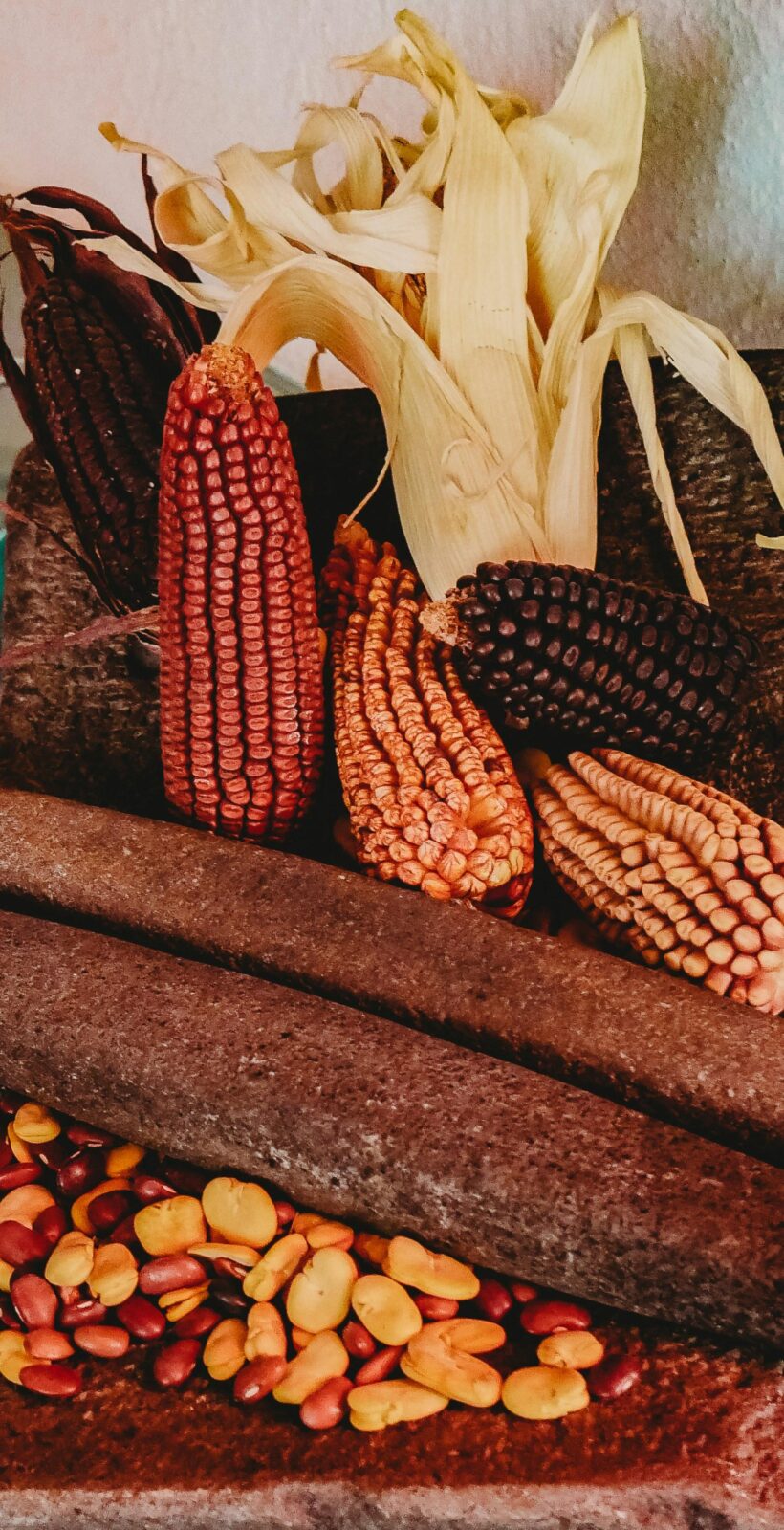
Understanding the Fundamentals of Maize Milling Techniques
Maize milling is an intricate process that transforms raw maize into various forms of flour or meal, suitable for a wide range of culinary applications. At its core, the process hinges on several essential techniques that ensure the quality and efficiency of the milling operation. These techniques include:
- Dry Milling: This technique involves grinding the whole maize kernel without removing the germ and endosperm, resulting in products such as masa flour.
- Wet Milling: This process employs water to separate the components of the kernel, allowing for the extraction of starch, gluten, and fiber, producing items like corn syrup and high-fructose corn syrup.
- Mechanical Separation: Utilizes equipment like sifters and separators to classify the end product based on desired particle size.
Understanding the different milling techniques is crucial, as they greatly affect the texture, taste, and nutritional value of the final product. Each method can produce various by-products, which may be valuable in both food and non-food industries. Consider the following comparison of the typical outputs from dry and wet milling:
| Technique | Typical Outputs |
|---|---|
| Dry Milling | Meal, Grits, Flour |
| Wet Milling | Starch, Oil, Protein |
By getting acquainted with these fundamental techniques of milling, processors can better appreciate not only the craft behind creating maize products but also the diverse opportunities within maize utilization. Whether the outcome is for baking, brewing, or other industrial applications, mastering the milling process is an art in itself that holds meaningful impact across many sectors.

Exploring the Equipment Essential for Efficient Milling Practices
In the intricate dance of maize milling, the right set of tools forms the foundation for success. each piece of equipment plays a crucial role in transforming raw maize into finely milled products that meet the demands of varied culinary uses. Hammer mills, for instance, are fundamental for breaking down the maize kernels into manageable sizes, while roller mills refine the grain further, achieving the desired consistency. Additionally, sifters ensure that only the finest flour makes it through, leaving behind any coarser particles. Other essential machinery includes mixers for blending and packaging machines that facilitate efficient operations by ensuring that the final product reaches consumers promptly and effectively.
To streamline these processes, maintaining a well-organized workspace and utilizing advanced technologies is paramount. Investing in grain storage solutions safeguards the raw ingredients, while automated control systems can enhance operational efficiency. implementing a preventive maintenance plan can definitely help mitigate the risk of equipment failure and prolong machine lifespan. Here’s a quick overview of key milling equipment and their primary functions:
| Equipment Type | Primary Function |
|---|---|
| Hammer Mill | Initial breakdown of maize kernels |
| Roller Mill | Further refinement of flour |
| Sifter | Separation of fine flour from coarser particles |
| Mixer | Blending of ingredients |
| Packaging Machine | Packing of finished products |
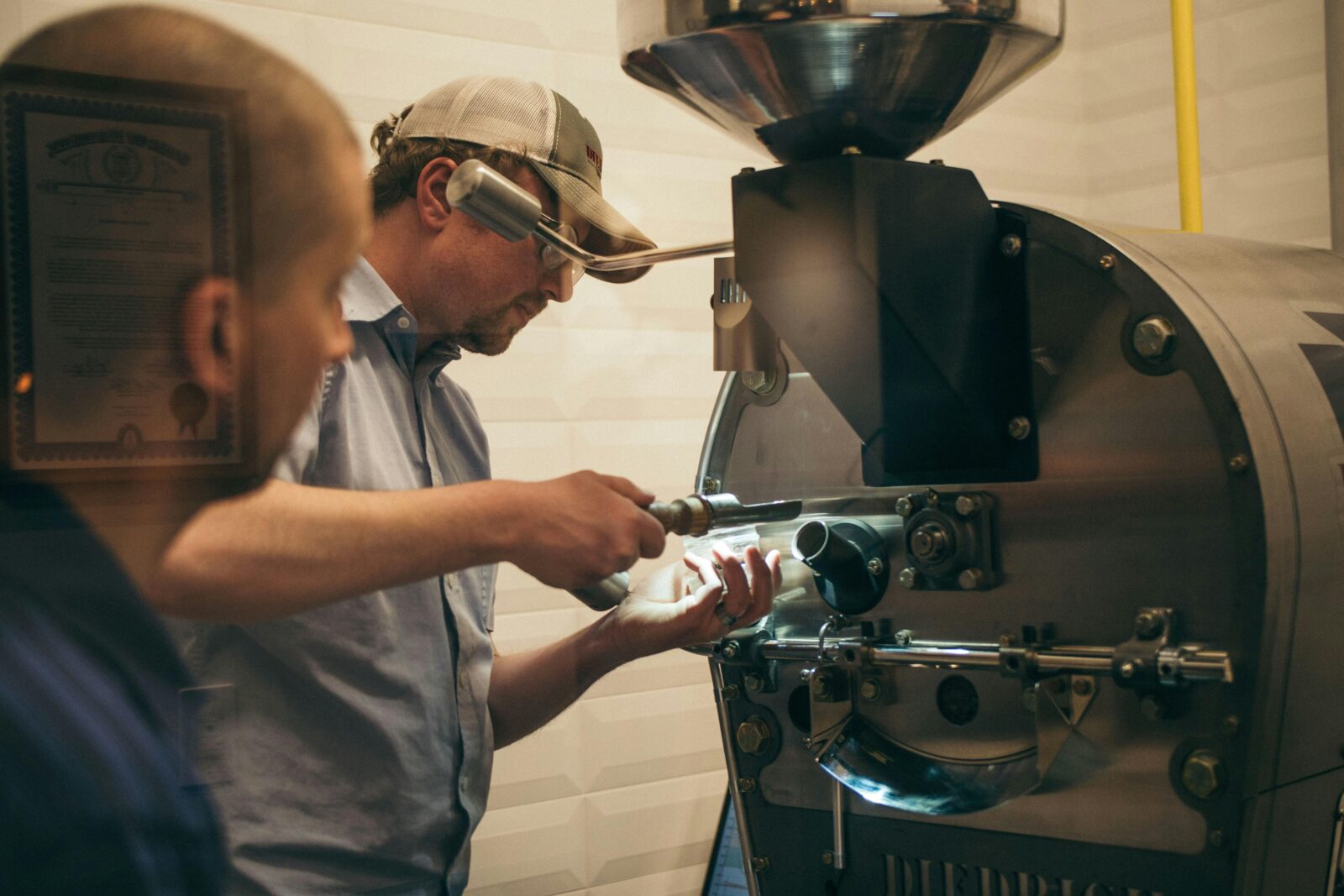
navigating quality Control: Ensuring Consistency in Maize Products
Quality control in maize milling is an intricate process that demands attention to detail at every stage of production. To ensure that the final products meet consumer expectations, manufacturers frequently enough implement a series of rigorous testing protocols that focus on multiple factors. These include:
- Moisture content: Monitoring moisture levels is critical,as it affects not only the milling process but also the shelf life of the product.
- Granulation Size: Ensuring a uniform granulation size allows for consistent cooking and baking qualities in maize products.
- Contaminant Detection: Regular screenings for foreign materials and mycotoxins safeguard consumer health and uphold product integrity.
moreover,implementing advanced quality assurance technologies such as optical sorting systems and automated inspection lines can enhance the overall efficiency of the milling process. By utilizing data analytics, processors can identify trends and potential areas of enhancement in real-time. A well-designed quality control framework might also include a systematic approach to record-keeping, documenting findings and adjustments made during production. This ensures a seamless traceability of products back to their source and promotes consistent quality assurance across all batches.
| Quality Control Aspect | Purpose |
|---|---|
| Visual Inspection | Discern physical defects before milling. |
| Laboratory Testing | Evaluate chemical composition and safety. |
| Sampling Protocols | Ensure representative analysis of batches. |
Sustainable Milling: Incorporating Eco-Friendly Practices in Production
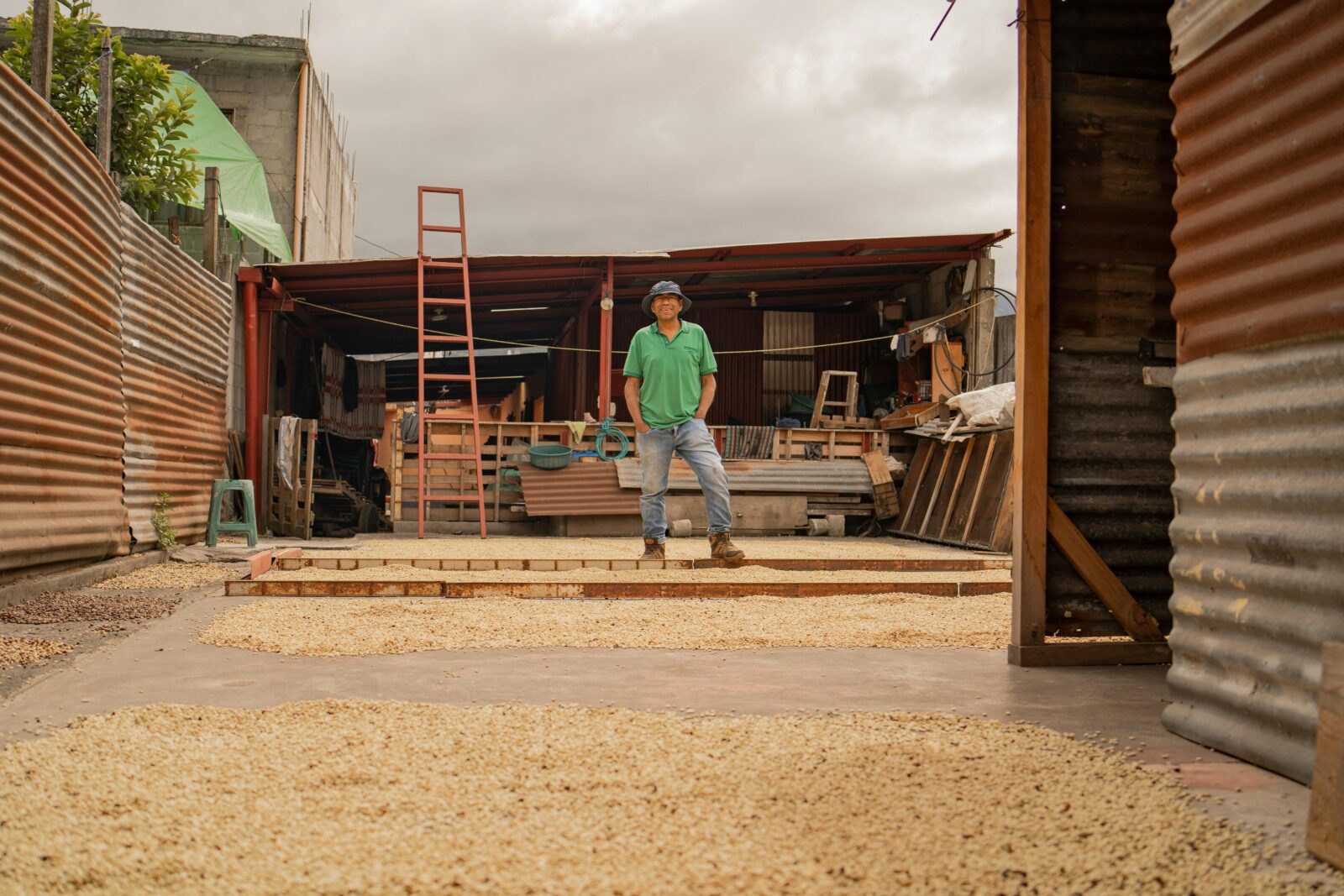
In the quest for sustainable milling, businesses are increasingly exploring eco-friendly practices that minimize environmental impact while ensuring high-quality production. One such practice is the use of renewable energy sources to power milling operations, considerably reducing carbon footprints. Additionally, implementing water conservation techniques can definitely help preserve vital resources, with methods such as closed-loop systems that recycle water within the milling process. By engaging in waste reduction strategies, such as repurposing byproducts like husk and bran for animal feed or biofuel, milling companies are taking bold steps towards sustainability.
Another promising approach involves embracing biodegradable packaging to limit plastic use and support composting initiatives. Furthermore, investing in energy-efficient machinery not only cuts operational costs but also enhances productivity while consuming less power. As these eco-conscious methodologies gain traction, it is crucial for milling operations to establish benchmarks and metrics to track their progress. As an example, companies can adopt sustainability scorecards that assess their practices on multiple fronts:
| Practice | Impact | Measurement |
|---|---|---|
| Renewable Energy | Reduces carbon emissions | Percentage of energy sourced renewably |
| Water Conservation | Preserves water resources | Volume of water reused |
| Waste Reduction | Minimizes landfill reliance | Quantity of byproducts repurposed |
| Efficient machinery | Lowers energy consumption | Energy savings per unit produced |
to sum up
As we draw the curtains on our exploration of maize milling, it becomes clear that this ancient craft is a symphony of art and science. From the first whirr of the millstone to the final, fine flour that graces our tables, each step in the process is carefully choreographed, melding tradition with innovation. As we’ve unraveled the intricacies of this essential practice,we’ve discovered not just the mechanics behind it,but also its profound impact on cultures and cuisines around the world.Whether its the rich aroma of fresh cornmeal in a bustling kitchen or the smile of a farmer benefitting from fair trade practices, maize milling encapsulates stories of sustenance, heritage, and sustainability. As we continue to savor the diverse products derived from maize, let us appreciate the skill and dedication of those who turn this humble grain into a staple that nourishes generations.
May the knowledge gleaned from this article encourage a deeper appreciation for the maize milling process—and perhaps inspire you to delve even further into the rich tapestry of culinary history. After all, every grain has its tale to tell; all we must do is listen.