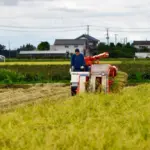
In the world of agriculture, where tradition meets innovation, the quest for efficiency and quality has given rise to remarkable technological advancements. Among these, the all-in-one rice milling machine stands as a beacon of change, promising to transform the way we approach the time-honored process of rice production. This revolutionary equipment merges various milling functions into a single, streamlined unit, addressing challenges faced by farmers and millers alike. As we delve into the intricacies of this game-changing device, we will explore its impact on the rice industry, its potential to enhance productivity, and how it embodies the future of sustainable agriculture. Join us on this journey as we uncover the myriad benefits of revolutionizing harvest with the all-in-one rice milling machine.
Innovative Design and Functionality of the All-in-One Rice Milling Machine
The all-in-one rice milling machine signifies a remarkable advancement in agricultural technology, seamlessly integrating cutting-edge design with practical functionality. This innovative device allows farmers to streamline their workflow, reducing the time and labor traditionally associated with rice processing. With features such as automatic husking,milling,and polishing,the machine ensures that every grain is processed efficiently,minimizing waste and maximizing yield. Farmers can now achieve a more consistent quality of rice, which is essential for meeting modern market demands.
The user-friendly interface and compact design make it accessible to a wide range of users, from small-scale farmers to larger agricultural enterprises. Built with durability in mind, the machine is equipped with advanced maintenance alerts and easy-clean components, ensuring longevity and reliability. Key features include:
- Energy-efficient operation
- multi-functional capability
- User-friendly controls
- Compact design for easy storage
To illustrate its efficiency, here’s a comparative table showing the processing time and output against traditional methods:
| Method | Processing Time (hours) | Output (Kg) |
|---|---|---|
| Traditional Milling | 5 | 200 |
| All-in-One Machine | 2 | 500 |
This powerful machine not only enhances productivity but also plays a pivotal role in promoting sustainable agricultural practices, ultimately transforming the future of rice farming.

Efficiency in Harvesting: Streamlining the Rice processing Workflow
In today’s competitive agricultural landscape, efficient operations are crucial. The introduction of advanced rice milling machines has streamlined the entire processing workflow. These all-in-one units unite multiple functions into a single, compact design, reducing the need for seperate machines and minimizing the labor involved in transferring grains from one stage to another. Key features include:
- Automatic Feeding: Minimizes manual labor and speeds up the input process.
- Integrated milling and Polishing: Offers a smooth finish while preserving grain quality.
- Efficient Grain Recovery: Ensures maximum yield by reducing waste during processing.
This system not only enhances productivity but also significantly cuts down on energy consumption and downtime. with user-friendly interfaces and smart automation, operators can monitor and control settings with ease, ensuring optimal performance while minimizing human error. The adaptability of these machines caters to various scales of operation,adapting effortlessly to both small farms and larger commercial enterprises. Consider the following benefits:
| Benefit | Description |
|---|---|
| Cost-Effective | Reduces capital investment by consolidating multiple machines. |
| space-Saving | Compact design requires less physical space in processing facilities. |
| Enhanced Quality | Improves overall grain quality with consistent processing parameters. |
Cost-Effectiveness and Sustainability Benefits of Modern Milling Technologies
Modern milling technologies, particularly the all-in-one rice milling machine, present an chance for cost-saving that resonates with both farmers and mill operators. These advanced systems integrate multiple functions—from husking to polishing—into a single, efficient unit. By reducing the need for separate machines,users not only cut down on initial capital expenditure but also minimize maintenance costs. The streamlined operation ensures lower energy consumption, which directly translates to significant savings on utility bills. Moreover, with automated settings and improved productivity, these machines increase overall rice output per unit time, providing an economic advantage over traditional milling methods.
Sustainability is another critical aspect where contemporary milling technologies shine. The all-in-one rice milling machine efficiently processes biomass byproducts—such as husks and bran—turning waste into valuable resources. This not only supports sustainable waste management practices but also opens avenues for creating biofuels and organic fertilizers. Additionally, with lower emissions due to more efficient fuel usage and reduced operational waste, the environmental impact of rice milling is substantially lessened. By investing in these modern technologies, stakeholders contribute to a more sustainable agricultural ecosystem while together enhancing their productivity and profitability.
| Cost Factors | Traditional Methods | Modern Milling Technologies |
|---|---|---|
| Initial Equipment Cost | Higher due to multiple machines | lower, single unit |
| Energy Consumption | Higher | Reduced |
| Maintenance Costs | Higher for multiple systems | Lower due to integrated design |
| Waste Generation | Significant | Minimized, biomass utilization |
Future Trends in Rice Milling: Adopting Smart Solutions for Global Agriculture
The landscape of rice milling is poised for conversion as innovative technologies emerge to address the challenges faced by global agriculture. By integrating smart solutions, rice milling operations can enhance efficiency, reduce waste, and improve the quality of the end product. Features such as automated monitoring systems and data analytics help mill operators detect discrepancies in real-time and optimize processing conditions, ensuring that every grain is treated optimally. The utilization of internet of Things (IoT) devices not only streamlines communication between machinery but also offers predictive maintenance insights that can significantly minimize downtime and operational costs.
Additionally, the shift towards sustainable practices is becoming a central focus within the industry. As farmers and mill operators seek to reduce their carbon footprint, energy-efficient milling solutions are gaining traction. By utilizing renewable energy sources, such as solar or biomass, these machines are not only economically viable but also environmentally friendly. The integration of smart sensors to track moisture content and grain quality allows for more precise milling,thus producing superior rice with minimal losses. Such advancements pave the way for a future where technology and sustainability go hand in hand,revolutionizing how rice is processed around the world.
Final Thoughts
As we stand on the brink of a new era in agricultural innovation, the all-in-one rice milling machine emerges as a beacon of progress for farmers around the globe.By streamlining the milling process and enhancing efficiency, this revolutionary technology not only promises to elevate crop yields and reduce labor costs but also ensures that quality and sustainability remain at the forefront of rice production.
In an age where maximizing resources and minimizing waste is crucial, the integration of advanced mechanics and intuitive design exemplifies how modern solutions can address age-old challenges in farming.This innovation serves as a testament to the ingenuity that drives the agricultural sector forward, paving the way for a future where technology and tradition harmoniously coexist.
as we look ahead, the ripple effects of this machine will be felt not just in the fields, but throughout communities, economies, and industries worldwide. With the potential to transform the landscape of rice milling, it invites us all to imagine a more productive and sustainable future—one where every grain tells a story of progress and perseverance. The revolution in harvest has begun, and it is one that we will all benefit from.