Unlocking Productivity: Teh essentials of Rice Milling Units
In a world where efficiency and innovation are paramount, the rice milling industry stands at the forefront of agricultural transformation. Rice, a staple food for over half of the global population, requires meticulous processing to transition from paddy to plate. At the heart of this journey are rice milling units—complex systems that blend tradition with technology to unlock the grain’s full potential. In this article, we will explore the essentials of rice milling units, examining their crucial role in enhancing productivity, ensuring quality, and meeting the growing demands of a diverse market.Join us as we delve into the intricacies of these vital units, revealing how they contribute to both local economies and global food security.
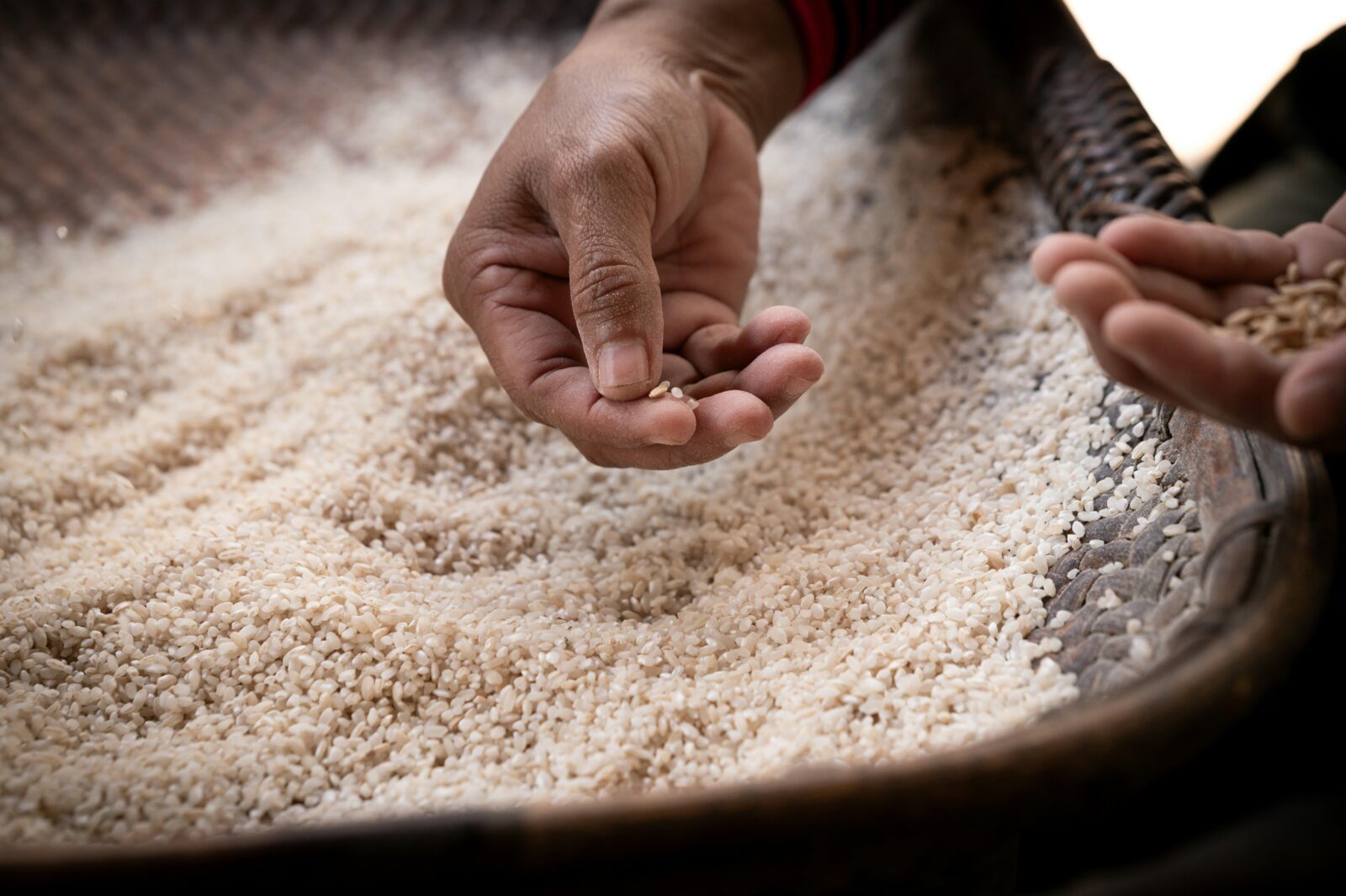
Understanding the Rice Milling Process and Its Impact on Efficiency
The rice milling process is a critical component in the agricultural supply chain, transforming rough rice into the polished grains that consumers recognize on supermarket shelves. This journey begins with harvesting,where mature rice is gathered,followed by drying,which reduces the moisture content and prevents spoilage. The next stages include dehusking, eliminating the outer husk to reveal the brown rice, and milling, where the brown rice is further polished to improve appearance and shelf life. each step in this sequence plays a vital role in maintaining grain quality, and the efficiency of these processes can significantly influence both production yields and operational costs.
To maximize output and efficiency, modern rice milling units often utilize state-of-the-art machinery equipped with automated features. This technology minimizes manual labor, reduces processing times, and enhances overall productivity. Key elements that contribute to a more efficient milling process include:
- precision equipment: Utilizes advanced technology for consistent results.
- Quality control systems: Monitors grain quality at every stage.
- Energy-efficient machinery: Reduces consumption costs while maintaining output.
- Data analytics integration: Tracks performance metrics for continual betterment.
When evaluating the impact of rice milling on efficiency, it is essential to consider both the technology used and the operational workflow. The following table outlines key performance indicators that can definitely help measure the effectiveness of rice milling operations:
| Indicator | Description | Optimal Range |
|---|---|---|
| Husk Removal Rate | Percentage of husk removed during milling | 95% – 98% |
| Grain Recovery Rate | Percentage of usable grain obtained after milling | 65% – 70% |
| Energy Consumption | Amount of energy used per ton of rice processed | 400 – 600 kWh |

Key Technologies Transforming Rice Milling Operations
in the ever-evolving world of rice milling, a plethora of cutting-edge technologies are drastically reshaping the operational landscape. Automation has emerged as a key player, significantly enhancing efficiency. With automated systems, the process of milling rice can be streamlined, leading to reduced human errors and optimized workflow. Additionally, internet of Things (IoT) integration allows for real-time monitoring of machines and processes. Mill operators can utilize data analytics to make informed decisions on maintenance and process adjustments, thereby maximizing output and reducing downtime.
Furthermore, advances in machine learning are paving the way for predictive maintenance, allowing rice mills to foresee equipment failures before they occur. This proactive approach not only prolongs the lifespan of machinery but also minimizes unexpected costs. The introduction of energy-efficient technologies is another crucial development in enhancing sustainability within rice milling operations. These innovations not only lower energy consumption but also reduce the carbon footprint of the milling process,promoting environmental obligation among mill operators. With such diverse advancements, the future of rice milling is poised for enhanced productivity and efficiency.
Optimizing Resource Management for Enhanced Productivity
Effectively managing resources is crucial for rice milling units seeking to boost productivity. One of the primary strategies involves implementing lean management principles,which focus on minimizing waste while maximizing output. This can be achieved through:
- Streamlining Operations: Analyze workflows to identify inefficiencies, reducing bottlenecks and improving overall speed.
- Investing in Technology: Utilize state-of-the-art milling equipment that enhances processing accuracy and output volume.
- Training Workforce: Equip staff with the necessary skills to operate machinery efficiently and safely, fostering a culture of continuous improvement.
Additionally, understanding and optimizing the supply chain can lead to significant gains in productivity. By managing inventory levels and forecasting demand accurately,a rice milling unit can ensure that raw materials are always available when needed. consider the following approaches:
| Strategy | Benefit |
|---|---|
| Supplier relationships | enhanced reliability and reduced lead time. |
| Just-in-Time Inventory | Lower holding costs and improved cash flow. |
| Demand Forecasting | Increased alignment between production and market needs. |
Essential Maintenance Practices for Sustainable Milling Units
Maintaining a rice milling unit with a keen focus on sustainability begins with understanding the intricate balance between equipment performance and natural resource conservation. Regular preventive maintenance not only enhances the longevity of the machinery but also optimizes energy efficiencies.Key maintenance practices include:
- Routine Inspections: Conduct thorough inspections of machinery components like the husker, separator, and polishing machines to identify wear and tear.
- Lubrication: Use eco-friendly lubricants to minimize friction and reduce heating, which can cause equipment stress and inefficiencies.
- Cleaning Procedures: Keep the milling equipment clean from dust and debris, preventing contamination and potential downtimes.
- calibration: regularly calibrate the machinery to ensure that it operates at optimal capacity and meets product quality standards.
Incorporating sustainable practices extends beyond just equipment care; it also involves reducing waste and resource consumption. Implementing a performance monitoring system can be beneficial in tracking the efficiency of operations. This can include a simple table that summarizes key performance indicators:
| KPI | Target Value | Current Value |
|---|---|---|
| Energy Consumption (kWh/kg) | 0.5 | 0.45 |
| Waste Output (kg/h) | 10 | 8 |
| Uptime (%) | 95 | 92 |
By diligently adhering to these maintenance practices and closely monitoring operational performance,rice milling units can not only enhance productivity but also contribute positively to environmental sustainability.
Future Outlook
navigating the intricate landscape of rice milling units reveals a world where efficiency meets innovation. As we’ve explored the essentials that underpin accomplished rice milling operations, it’s clear that understanding the technology, processes, and management practices can unlock unprecedented levels of productivity.
By investing in the right equipment, embracing sustainable practices, and prioritizing skilled labor, rice millers can not only enhance their output but also contribute to the broader agricultural economy. As global demand for quality rice continues to rise, the potential for growth in this sector is immense.
Thus, as we look to the future, the challenge remains to innovate and adapt. Weather you are a seasoned mill operator or a newcomer to the industry, harnessing these essential elements will be key to thriving in a competitive market. Let us continue to seek out better solutions, foster collaboration, and ultimately, refine the art of rice milling for generations to come.