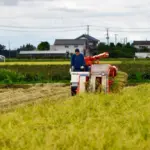
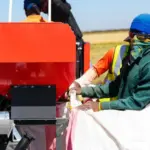
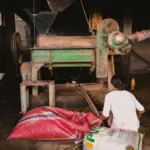
Inside the Paddy Processing Factory: A Grain Transformation Journey
In the heart of rural landscapes,where emerald rice paddies stretch like a vibrant quilt under the sun,a fascinating transformation awaits.It’s here, within the bustling walls of a paddy processing factory, that the humble grain embarks on a metamorphosis from harvested crop to pantry staple. This journey is not merely about machines and processes; it encapsulates age-old traditions meeting modern technology,where every grain has a story to tell. As we step inside this intricate world, we will explore the meticulous steps involved in processing paddy, from the moment it is collected from the field to its refinement into the rice that graces our tables. Join us on this exploration, where we uncover the delicate balance of nature and innovation, the skilled hands behind the scenes, and the unseen complexities that culminate in the grains that nourish millions.
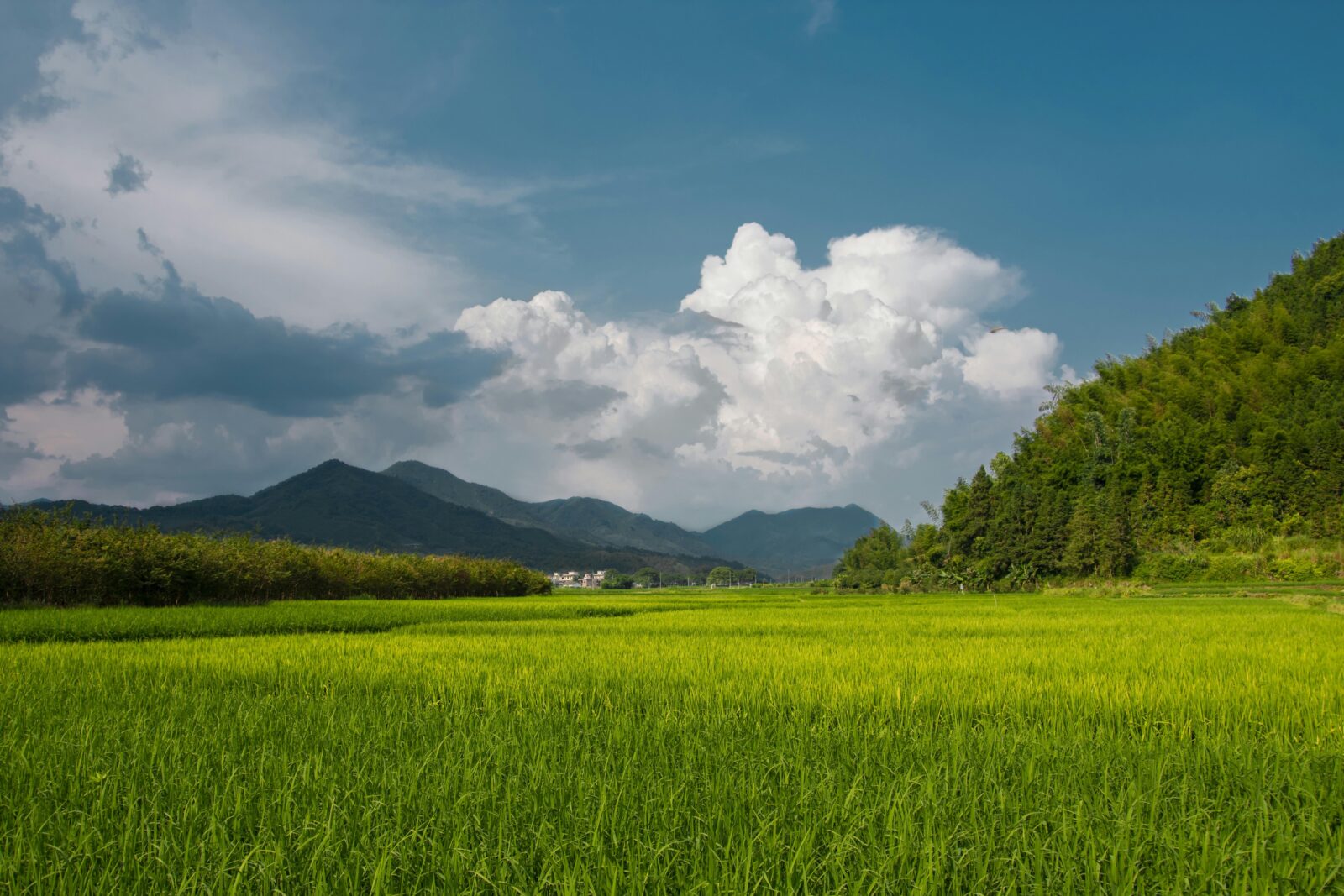
Understanding the Paddy Transformation Process from Field to Factory
The journey of paddy from its lush green fields to the bustling activity of a processing factory is nothing short of remarkable. after harvest, the paddy undergoes a series of meticulous steps that ensure each grain is transformed into a high-quality product, ready for consumers. The first stage is threshing, where the grains are separated from the stalks, followed by dried to reduce moisture content. This drying process is crucial, as it prevents spoilage and enhances storage life. Once dried, the paddy grains enter the hulling phase, in which the outer husk is removed, revealing the brown rice beneath. It is during this stage that the factory machinery truly comes alive, employing state-of-the-art technology to ensure that the grains are processed efficiently and with precision.
As the grains continue their transformation, milling is the next notable step, where the brown rice is polished to create white rice. This phase involves careful adjustment of milling parameters to maintain quality and minimize breakage. Once milled, the rice is passed through a series of grading machines that sort the grains by size and quality, ensuring uniformity in the final product. The journey concludes with packaging, where the rice is sealed in hygienic bags or containers, ready to hit the market. below is a table highlighting the key stages in the paddy transformation process:
| stage | description |
|---|---|
| Threshing | Separation of grains from the stalks |
| Drying | Reducing moisture content to prevent spoilage |
| Hulling | Removal of the outer husk |
| Milling | Polishing to produce white rice |
| Grading | Sorting grains by size and quality |
| Packaging | Sealing the rice for market readiness |
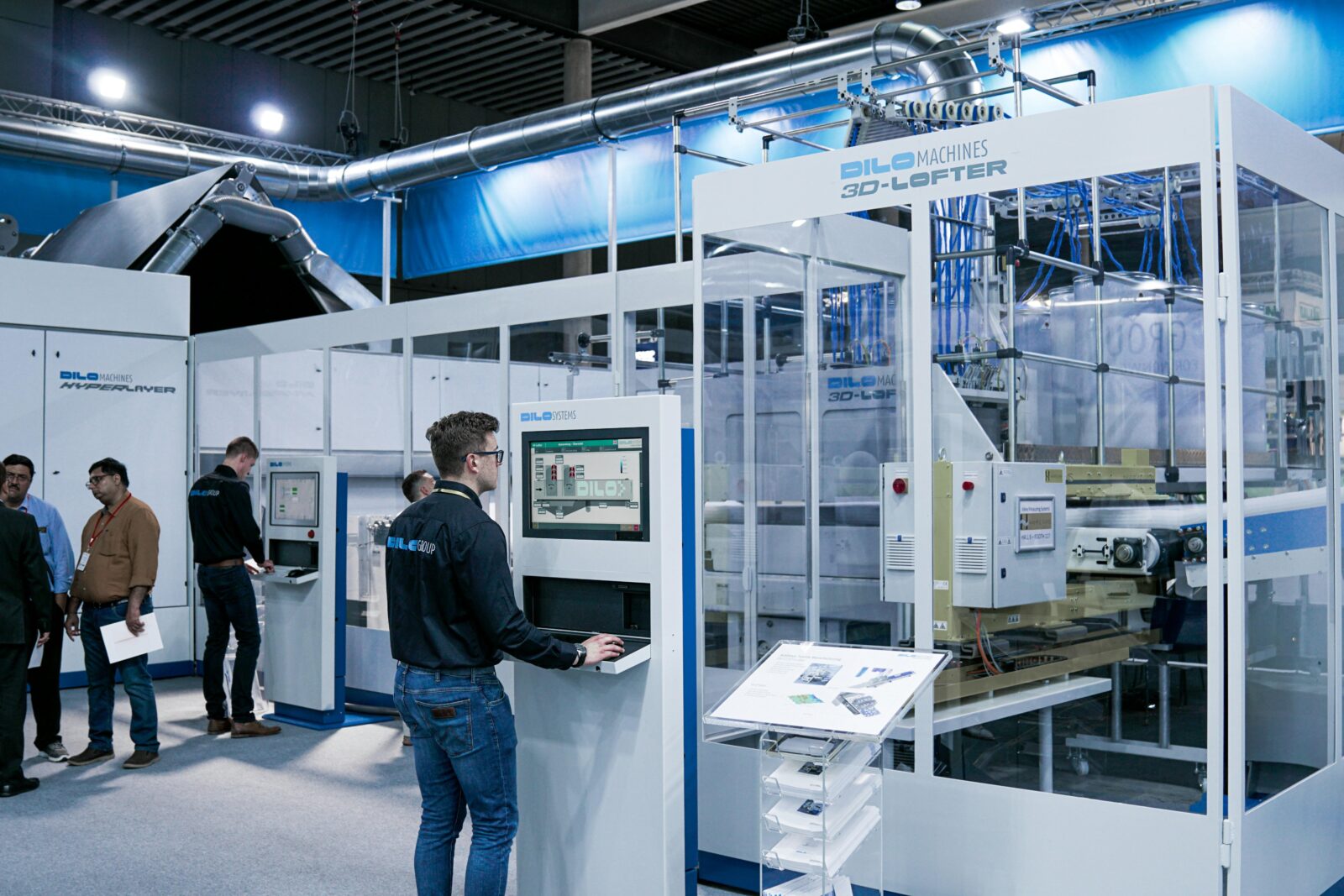
Technological innovations Revolutionizing Paddy Processing
The revolution in paddy processing is largely attributed to groundbreaking technological innovations that streamline operations and enhance efficiency.Automated milling systems are among the forefront advancements, which have drastically reduced labor costs and minimized human error. These systems incorporate sensors and artificial intelligence to monitor grain quality,optimizing the milling process in real-time. Additionally, mechanical separation techniques have evolved, utilizing air and vibration to effectively separate husks and impurities, ensuring cleaner, higher-quality rice production.
A notable trend is the integration of Internet of Things (IoT) technology within paddy processing factories. This connectivity allows for better tracking and management of grain throughout various stages of production. For instance, farmers can now use smart devices to monitor moisture levels and adjust storage conditions accordingly. Furthermore,blockchain technology is making waves by enhancing traceability and transparency in the supply chain,allowing consumers to verify the origin of their rice. The following table highlights some of the essential technological innovations shaping the future of paddy processing:
| Technology | Description | Benefits |
|---|---|---|
| Automated Milling Systems | Advanced machinery that processes paddy automatically. | Reduced labor costs, improved efficiency. |
| IoT Connectivity | Sensors and devices that monitor grain conditions. | Enhanced tracking and management of production. |
| Blockchain Technology | Decentralized record-keeping for traceability. | Increased transparency and trust in the supply chain. |
Quality Control Measures Ensuring Premium Grain Output
Within the intricate workings of the paddy processing factory, meticulous quality control is paramount in achieving a premium grain output. Each stage of the production process is subject to stringent checks to maintain high standards. The quality assurance team employs a systematic approach featuring:
- Visual inspections: Regular assessments of grain appearance ensure that only the finest samples are selected.
- moisture Testing: Advanced moisture meters accurately measure humidity levels, preventing spoilage and preserving quality.
- grain Sampling: Randomized sampling methods are implemented to verify grain consistency and quality across batches.
- Laboratory Analysis: Extensive lab testing helps detect any contaminants or irregularities in the grain composition.
Furthermore, the factory integrates technological advancements to enhance these quality control measures. Automated sorting machines equipped with AI technology can analyze grain quality swiftly and accurately. To illustrate the effectiveness of various quality assessments, consider the table below that highlights key performance indicators used in evaluating grain quality:
| Quality Indicator | Standard Value | Current average |
|---|---|---|
| Moisture Content (%) | 13.5 | 13.2 |
| purity (% whole grains) | 99 | 98.7 |
| Grain Color Standard | White/Amber | White |
Sustainable Practices in Paddy Processing: Balancing Efficiency and Environment
In the quest for efficiency within paddy processing,integrating sustainable practices is paramount. Modern facilities are increasingly adopting energy-efficient technologies that considerably reduce carbon footprints while maximizing output. Techniques such as solar power utilization for machinery and the implementation of advanced milling equipment not only enhance processing speed but also lower energy consumption. Additionally,many factories are embracing water conservation measures that recycle water used in the milling process,ensuring minimal wastage. The employment of these technologies exemplifies how prioritizing sustainability can coexist with operational demands.
Sustainable paddy processing also hinges on the responsible management of waste byproducts. Rather of discarding husks and bran, factories are discovering innovative ways to repurpose these materials, such as converting them into biomass fuel or organic fertilizers.This not only mitigates environmental impact but also creates additional revenue streams. To track these practices’ effectiveness, facilities often employ sustainability metrics, which are reflected in the following table:
| Sustainability Metric | Before implementation | After Implementation |
|---|---|---|
| Energy Consumption (kWh/ton) | 500 | 300 |
| Water Usage (liters/ton) | 1000 | 600 |
| Waste Recovery Rate (%) | 30% | 80% |
This focus on circularity not only demonstrates a commitment to environmental stewardship but also ensures the longevity and resilience of the industry in a world increasingly focused on sustainability.By harmonizing production needs with eco-amiable methodologies, paddy processing facilities are setting new standards for agricultural practices.
Key Takeaways
As the last grains of rice cascade through the final drying stage, it becomes evident that the transformation of paddy into polished rice is more than just a mechanical process; it is a delicate interplay of tradition, innovation, and perseverance.Each step in the factory tells a story—of farmers nurturing the land, of engineers perfecting technology, and of workers dedicated to quality and efficiency.In this labyrinth of machines and methodologies, the humble grain undergoes its metamorphosis, emerging from the shadows of its rustic origins into a staple that graces tables around the world. The journey through the paddy processing factory is not solely a tale of productivity; it highlights the interconnectedness of agriculture and industry, reminding us of the hands—and machinery—working tirelessly to ensure that each grain tells its story when it reaches our plates.As we step outside the factory doors, we leave with a deeper appreciation for the myriad processes that contribute to our daily sustenance. The grain’s journey may be complete, but the echoes of its transformation resonate far beyond the factory walls, touching lives with each meal shared. And so, we bid farewell to this intricate world of grain transformation, mindful of the journey that continues long after the last batch has been processed.