Exploring the Benefits of the Combine Mini Rice Mill: A Complete Guide for Small-Scale Farmers
In the heart of agriculture, where tradition meets innovation, small-scale farmers are ofen the unsung heroes of sustainable food production. As they toil under the sun, nurturing their crops with care and dedication, the quest for efficiency and cost-effectiveness remains ever-present. Enter the Combine Mini Rice Mill,a revolutionary tool that promises too transform the way rice is processed on modest farms. this compact powerhouse offers not just convenience, but a plethora of benefits that can definitely help farmers maximize their yield, reduce labour costs, and enhance the quality of their produce. In this thorough guide, we will delve into the myriad advantages of the Combine Mini Rice Mill, exploring how it stands as a beacon of hope for small-scale farmers looking to elevate their operations and thrive in an increasingly competitive market. Join us as we unpack the features, benefits, and practical applications of this innovative technology that may just hold the key to a more prosperous farming future.
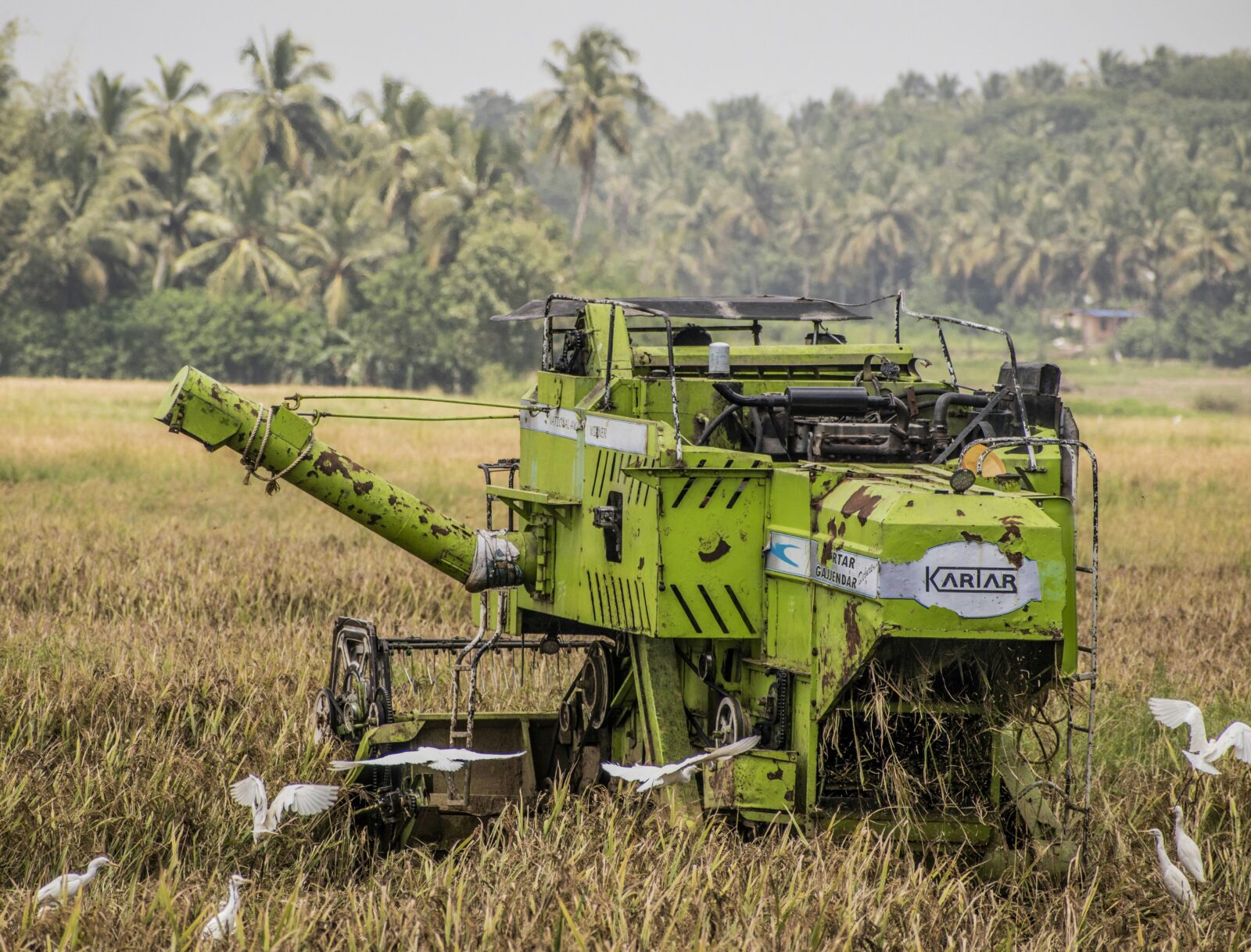
Unlocking the Potential of Mini Rice Mills for Small-Scale Farmers
Mini rice mills represent a transformative opportunity for small-scale farmers, allowing them to modernize their post-harvest practices and maximize their yields.With the ability to process rice on-site, farmers can reduce transportation costs and prevent post-harvest losses, which are significant in conventional milling operations. The introduction of these compact units not only enhances efficiency but also leads to improved quality and market value of the rice. Farmers can take control of their production by processing fresh rice, leading to better pricing in local markets while ensuring that packaging and branding can reflect quality and sustainability commitments. Some key benefits include:
- Cost Efficiency: Lower operational costs compared to larger mills.
- Flexibility: Ability to mill smaller quantities tailored to local demand.
- Higher Quality Products: Reduced spoilage and better flavor and texture retention.
- Economic independence: Keeping processing within the community fosters local economic growth.
Moreover, the advancement in technology has seen mini rice mills equipped with features that address common problems faced by smallholders, such as uneven milling rates and limited functionality. Farmers should consider factors such as energy consumption, ease of operation, and maintenance when selecting a mini rice mill. As an example, the use of electric versus diesel-driven units can drastically affect running costs depending on the region’s energy pricing. By weighing these options against their specific needs, farmers can select a mini mill that not only meets their operational goals but also supports sustainable agricultural practices.Here’s a fast comparison of two popular mini rice mill options:
| Mill Type | Power Source | Capacity (kg/h) | Ideal For |
|---|---|---|---|
| Electric Mini Rice Mill | electric | 400-600 | Small to medium-sized farmers in grid areas |
| Diesel Mini Rice mill | Diesel | 300-500 | Farmers in off-grid or rural areas |

The Advantages of Choosing a Combined Mini Rice Mill for Your farm
Opting for a combined mini rice mill on your farm offers a multitude of advantages, especially for small-scale farmers.Firstly, it streamlines the rice processing workflow by integrating several functions—such as husking, polishing, and milling—into a single machine. This can significantly reduce the time and labor involved in post-harvest processing. Here are some of the key benefits:
- Cost Efficiency: A combined mini rice mill requires less investment compared to purchasing multiple machines for different processing stages.
- Space Saving: These units are compact, making them ideal for farms with limited space.
- Improved Quality: The simultaneous processing capabilities help to maintain the quality of the rice, ensuring better grain texture and reduced breakage.
- easy Operation: Designed with user-friendly controls, they are straightforward to operate even for those with minimal experience.
moreover, choosing a combined mini rice mill can enhance productivity, which is crucial for meeting market demands. Farmers can process larger quantities of rice in a shorter period, allowing them to cater to a broader customer base. the integration of modern technology in these machines often leads to a greater recovery rate of rice, augmenting profits. It’s also worth noting that many combined mini rice mills come with energy-efficient designs, helping to lower operational costs. Here’s a concise comparison of a traditional rice mill versus a combined mini rice mill:
| Feature | Traditional Rice Mill | Combined Mini Rice Mill |
|---|---|---|
| Operating Space | Large | Compact |
| Number of Machines | Multiple | Single |
| Processing Time | Longer | Shorter |
| Labor Requirement | more | Less |
the advantages of choosing a combined mini rice mill are compelling for farmers looking to optimize their rice production. by reducing costs, saving space, and enhancing efficiency, these machines are an investment that pays off in terms of both quality and profitability.
Demystifying Mini Rice Mills: Common Misconceptions Explained
Mini rice mills, especially the combine varieties, often carry several misconceptions that can deter small-scale farmers from adopting this transformative technology. One common myth is that mini rice mills are only suitable for large operations. In reality, these mills are designed with small-scale farmers in mind, offering a practical solution for those looking to increase yield while minimizing labor and time. They can process smaller quantities of paddy in a compact footprint, making them ideal for rural settings where space and resources may be limited. Furthermore, the efficiency of these mills means that farmers can achieve a higher degree of quality in their output, enhancing both marketability and profit margins.
Another misconception revolves around the cost of ownership. Many assume that investing in a mini rice mill is financially out of reach, but this is not necessarily the case. By considering a mini rice mill as a long-term investment rather than a short-term expense, farmers can benefit from lower operational costs and higher returns over time. Additionally, the ease of use and low maintenance of these mills means that farmers can save on both repair costs and labor. Here’s a brief comparison of some benefits and potential concerns regarding mini rice mills:
| Aspect | Benefits | Considerations |
|---|---|---|
| Initial Investment | Affordable for small-scale operations | Financing options may be necessary |
| Efficiency | Reduces time for processing paddy | Requires some initial training to operate |
| Quality | Produces higher quality rice | Quality maintenance is essential |
| Space | Compact design | still requires adequate ventilation |
Understanding these aspects helps dispel myths and enables farmers to make informed decisions about implementing a mini rice mill into their operations.
Essential Tips for Selecting the Right Mini Rice Mill for Your Needs
When selecting a mini rice mill for your small-scale farming needs, several key factors can greatly influence both efficiency and profitability. Start by evaluating the capacity of the mill; it’s essential to choose one that aligns with your expected production volume. A mill with a lower capacity (e.g., 100-200 kg/hour) is often sufficient for niche markets, whereas those aiming for larger output may require a model capable of processing 300-500 kg/hour. consider power source options, too; gas, electric, and diesel-operated mills each have unique advantages and limitations based on your access to resources and operational surroundings.Additionally, look into the features offered—adjustable milling levels, husking efficiency, and ease of cleaning can significantly impact usability and maintenance time.
moreover, understanding the functional aspects can help streamline your business operations. Take note of the durability and warranty period provided by manufacturers, as these factors can affect your long-term investment. It’s also wise to read customer reviews and compare brands to gain insights into real-world performance. Consider creating a comparison table based on specific features—such as milling quality, efficiency, power consumption, and cost—to visually assess the options available. Additionally, evaluate after-sales support and availability of spare parts; a reliable support network can save you time and money in the event of repairs. Lastly, be mindful of the overall cost, including initial purchase price, operational expenses, and maintenance requirements to determine the most cost-effective option that meets your unique milling demands.
Concluding Remarks
the Combine Mini Rice mill stands as a transformative asset for small-scale farmers, bridging the gap between traditional methods and modern agricultural efficiency. by embracing this innovative equipment, farmers can significantly enhance their productivity, reduce labor costs, and contribute to sustainable practices within the rice cultivation community. As we’ve explored throughout this guide, the benefits—ranging from improved grain quality to time-saving features—make the Combine Mini Rice Mill not just a tool, but a partner in the journey toward agricultural success.
As the agriculture landscape continues to evolve, investing in such technologies becomes imperative for small-scale farmers aiming to thrive in an increasingly competitive market. The ultimate goal is not only to achieve higher yields but also to foster a resilient farming ecosystem that supports livelihoods and nourishes communities. We hope this guide equips you with the knowledge to make informed decisions and inspires you to take the next step in your farming journey.happy milling!