in the heart of agricultural innovation, the mini rice mill emerges as a transformative tool, reshaping the landscape of rice farming with efficiency and simplicity. As concerns about sustainability and resource management rise, farmers are increasingly seeking solutions that not only enhance productivity but also minimize operational complexity. Enter the combine mini rice mill—a compact powerhouse that promises to revolutionize how rice is processed. With its ability to streamline workflows, reduce labor costs, and improve yield quality, the combine mini rice mill stands at the forefront of a new era in farming.In this article, we delve into the myriad benefits of mini rice mills, examining how thes ingenious machines can elevate farming practices, boost profitability, and ultimately contribute to a more enduring agricultural future. Join us as we explore the potential of this innovative technology to transform the way we grow and harvest one of the world’s most staple crops.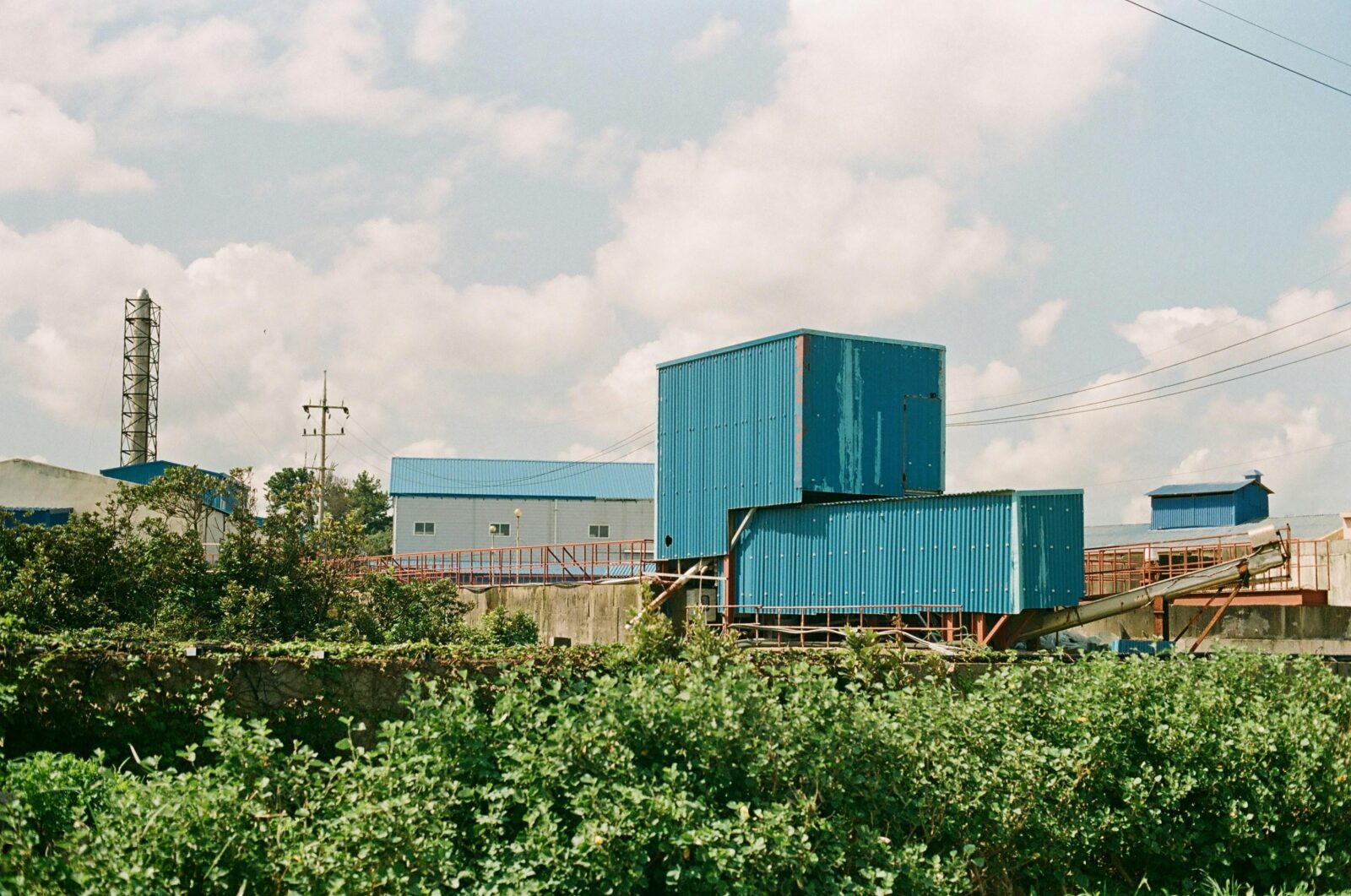
Understanding Mini Rice Mills and Their Role in Modern Agriculture
Mini rice mills serve as an essential component in the evolution of modern agriculture, notably in rice production. These compact milling units are designed to efficiently convert paddy into rice, catering primarily to small and medium-sized farms. Unlike traditional large-scale milling operations, mini rice mills are cost-effective, require less space, and consume fewer resources. Commonly powered by electricity or diesel, these machines are easier to manage, thus making rice milling accessible for smallholder farmers. The integrated technology in a combine mini rice mill enhances productivity, allowing farmers to process their crops on-site, which saves time and maximizes the quality of the final product.
One of the core benefits of mini rice mills is their capacity to increase farming efficiency. Here are some advantages that make them a valuable asset in today’s agricultural landscape:
- Reduced Post-Harvest Losses: By milling rice promptly after harvest, farmers can minimize losses from spoilage.
- Cost-Effectiveness: Lower operational costs mean higher profitability for small farmers.
- Quality Control: Farmers can ensure that their rice meets market standards through direct processing.
- Flexibility: Mini rice mills can be operated in rural settings, providing local jobs and boosting the economy.
Farmers contemplating the shift to a mini rice mill should consider factors such as the model’s processing capacity, energy requirements, and ease of maintenance. As a notable example, a versatile combine mini rice mill that integrates hulling, polishing, and grading can save additional time and resources compared to standalone models. Low initial investment and high returns make mini rice mills not just a tool for rice processing, but a key driver in promoting sustainable agricultural practices and improving the livelihoods of farmers globally.
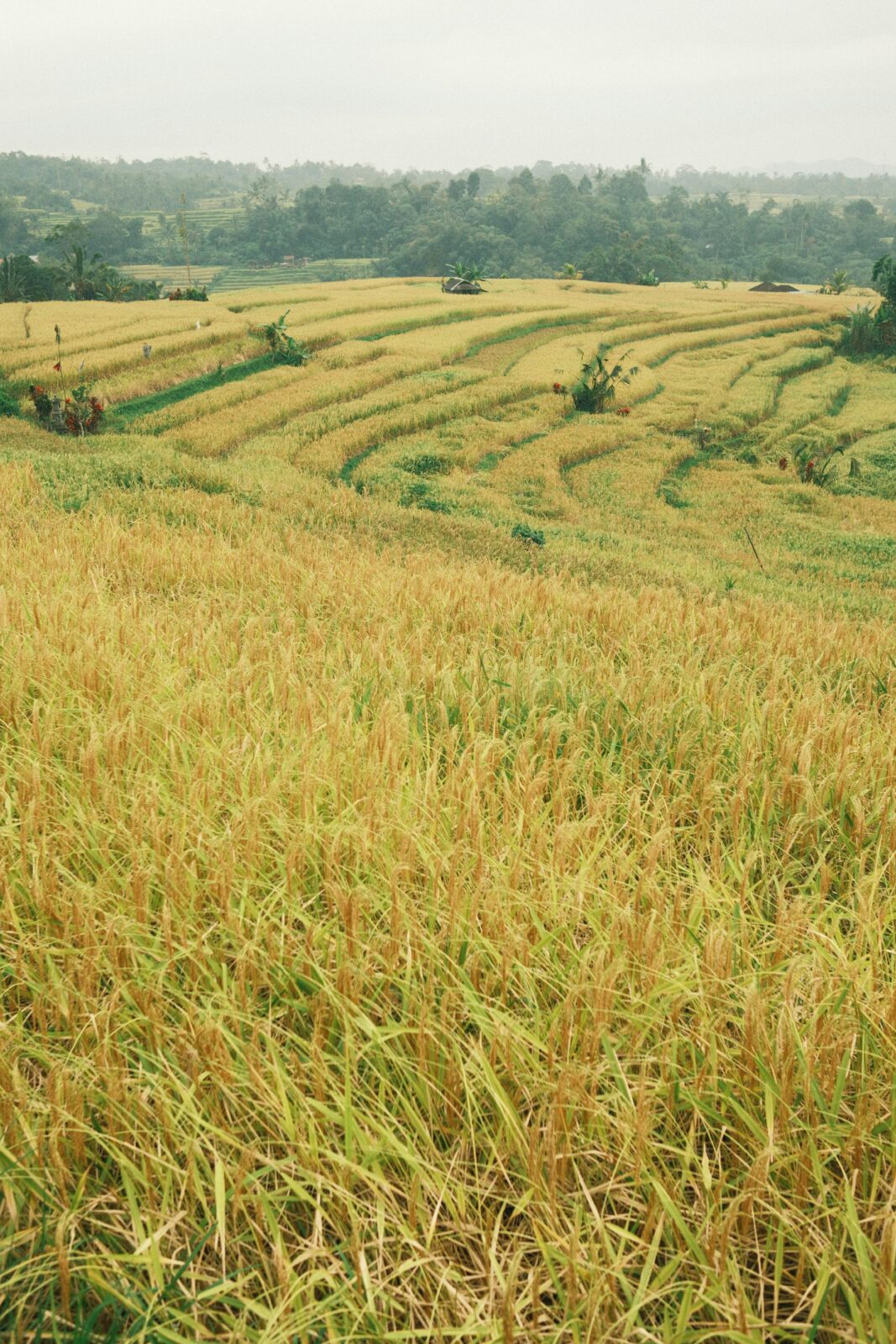
Unlocking the Advantages of Combine Mini Rice Mills for Enhanced Farming Productivity
The integration of combine mini rice mills into farming operations represents a significant leap in enhancing productivity and efficiency for rice growers.Unlike traditional methods, which ofen require multiple machines for harvesting, threshing, and milling, combine mini rice mills incorporate all these functions into one system. This streamlined process not only saves time but also reduces labor costs and minimizes post-harvest losses. With a compact design suitable for small to medium-sized farms,these mills can operate effectively in diverse agricultural settings,making them accessible and practical for a wide range of farmers. Here are some key advantages of adopting combine mini rice mills:
- Increased Efficiency: The all-in-one design means farmers can process rice more quickly, reducing the time spent on each harvest.
- Cost-Effectiveness: By eliminating the need for multiple machines, operational costs are significantly lowered.
- Improved Grain Quality: These mills are designed to reduce breakage, preserving better grain integrity during processing.
- Flexibility: Combine mini rice mills can adapt to different rice varieties and farm sizes, making them versatile for different farmers.
Though, potential buyers should be aware of some challenges when transitioning to combine mini rice mills. Ensuring adequate training for operators is crucial, as improper usage can lead to decreased efficiency and potential equipment damage. Moreover, selecting the right model that fits specific farming needs is essential.Farmers should consider factors such as processing capacity, power source, and maintenance requirements. Below is a comparison table of features offered by popular models to assist in making an informed choice:
| Model | Capacity (kg/hour) | Power Source | Features |
|---|---|---|---|
| Model A | 300 | diesel | Automatic, Low Maintenance |
| Model B | 500 | Electric | High Efficiency, Compact Design |
By weighing these factors and exploring the unique benefits of combine mini rice mills, farmers can enhance their operational efficiency and ultimately increase their profitability.
Common Misunderstandings About Mini Rice Mills and How to Overcome them
One common misunderstanding about mini rice mills is that they are only suitable for small-scale operations or hobbyists.In reality, mini rice mills are designed to meet the demands of both small farms and larger agricultural operations. They can handle a significant volume of rice processing, making them ideal for cooperative farming groups or small entrepreneurs looking to expand their business.Additionally, these mills often incorporate advanced technology that improves efficiency and reduces labor costs, allowing users to scale their operations without compromising quality. When compared to larger, traditional rice mills, mini rice mills are not only more versatile but also require less space and lower capital investment, making them an attractive option for a wider range of farming operations.
Another misconception is that mini rice mills compromise on quality. Potential buyers might worry that these smaller units won’t produce rice of the same quality as their larger counterparts. However, modern mini rice mills come equipped with features such as multi-stage milling systems, which efficiently remove husks and bran while preserving the nutritional value and flavor of the rice. To highlight the advantages, consider the following benefits of mini rice mills:
- Cost-Effective: Lower initial investment and operational costs.
- Energy Efficient: Reduced power consumption compared to larger mills.
- Easy Maintenance: Simplified maintenance procedures ensure long-lasting performance.
- Quality Output: ability to produce high-quality, polished rice.
- Flexibility: Can process different rice varieties and customizations.
By addressing these misunderstandings and emphasizing their benefits, farmers can better understand how mini rice mills can significantly enhance productivity, making them a worthy investment in the evolution of modern agriculture.
Choosing the Right Mini Rice Mill: Key Features and Considerations for Farmers
When selecting the right mini rice mill, farmers should pay attention to several key features that align with their operational needs and goals. The first consideration is the milling capacity, which typically ranges from 100 kg to 1 ton per hour. It’s essential to choose a rice mill that suits your production needs, especially during peak harvest times. Moreover, the energy efficiency is critical, as it directly impacts operating costs. look for models that function efficiently with low electricity consumption or are compatible with renewable energy sources. Other important features include durability and ease of maintenance. A robust design will withstand the rigors of daily use,while easy maintenance ensures that the mill remains operational with minimal downtime.
Farmers should also consider the type of milled rice they wish to produce, as some models offer better milling quality for specific rice varieties. Additionally,it’s crucial to evaluate the cost versus benefits; while upfront costs can vary significantly between brands,factors like longevity and output quality often justify higher priced units. When comparing different options, you might find it helpful to create a comparison table that includes:
| Feature | Brand A | Brand B |
|---|---|---|
| Milling Capacity | 500 kg/hr | 300 kg/hr |
| Energy consumption | 5 kWh | 8 kWh |
| Price | $3,500 | $2,800 |
This systematic approach can help you choose a mini rice mill that not only meets your production requirements but also contributes to greater overall efficiency and economic returns for your farming activities.
Wrapping Up
the evolution of agriculture continues to unveil innovative tools that can redefine farming practices, and the mini rice mill stands at the forefront of this change. The combine mini rice mill not only streamlines the processing of paddy but also empowers farmers to take control of their production with unprecedented efficiency and cost-effectiveness. By harnessing the capabilities of this compact powerhouse, farmers can maximize their yield, reduce waste, and enhance the overall quality of their rice. As the agricultural landscape adapts to meet the demands of both domestic and international markets, investing in advanced technologies like the mini rice mill could very well be the key to sustainable farming. As we move forward, the promise of these modern innovations will no doubt continue to inspire a new generation of farmers, ensuring that they thrive amidst challenges and opportunities alike. Whether you are a seasoned farmer or a newcomer to the industry,embracing the advantages of a mini rice mill could be your ticket to a more productive and prosperous farming journey.