In the picturesque landscapes of rural farms, where golden grains of rice sway gently in the breeze, lies a story of conversion—one that bridges the gap between tradition and innovation. Rice, a staple food for more than half the world’s population, has long been celebrated for its versatility and cultural importance. Yet, the journey from paddy to plate is fraught with challenges that impact not only food security but also the environment.As global demand soars and sustainability becomes imperative, the rice processing industry stands at a crossroads, ripe for revolution. This article delves into the cutting-edge technologies and practices reshaping rice processing, illuminating how they are paving the way for a more lasting future—one where thriving ecosystems and nutritious meals can coexist harmoniously. Join us as we explore the engaging evolution of rice production and discover the innovators leading the charge toward an eco-friendly rice bowl.
Navigating the Hidden Costs of Sustainable Rice Processing Innovations
requires a deep understanding of both the technological investments and the socio-economic landscapes they inhabit. While many proponents tout innovations such as solar-powered mills or water-efficient husking machines as silver bullets for environmental and economic sustainability,it is crucial to acknowledge the potential trade-offs involved. As an example, while initial investments in advanced processing equipment may yield long-term savings and efficiencies, smaller farms may struggle with the upfront capital costs, leading to increased debt or exclusion from the market. A nuanced approach is necessary—prioritizing infrastructure improvements alongside access to financing options can ensure that the benefits of innovation are equitably distributed across all farm sizes.
Furthermore, the assumption that all sustainable innovations are universally beneficial can obscure the complexities of local agricultural systems. For example, while technology may reduce energy consumption, if it inadvertently drives displacement of local labor forces or homogenizes cultural practices tied to traditional rice processing, the social fabric of communities could be at risk. Stakeholders must engage in tempered dialog to identify specific local needs and contextual challenges, crafting tailored solutions that are not merely economically viable but also socially responsible. This could involve:
- Conducting thorough impact assessments before the implementation of new processing technologies
- Incorporating feedback loops from farmers and local communities to evaluate the effectiveness and acceptance of innovations
- establishing partnerships with local educational institutions to promote skill advancement that aligns with technological advancements
Investments should be made not just in technology but in the ecosystems surrounding rice cultivation, recognizing the intricate grid of relationships between farmers, laborers, and local cultures that must be preserved for long-term sustainability.
Beyond the Hype: Assessing the True Impact of Modern Rice Milling Techniques
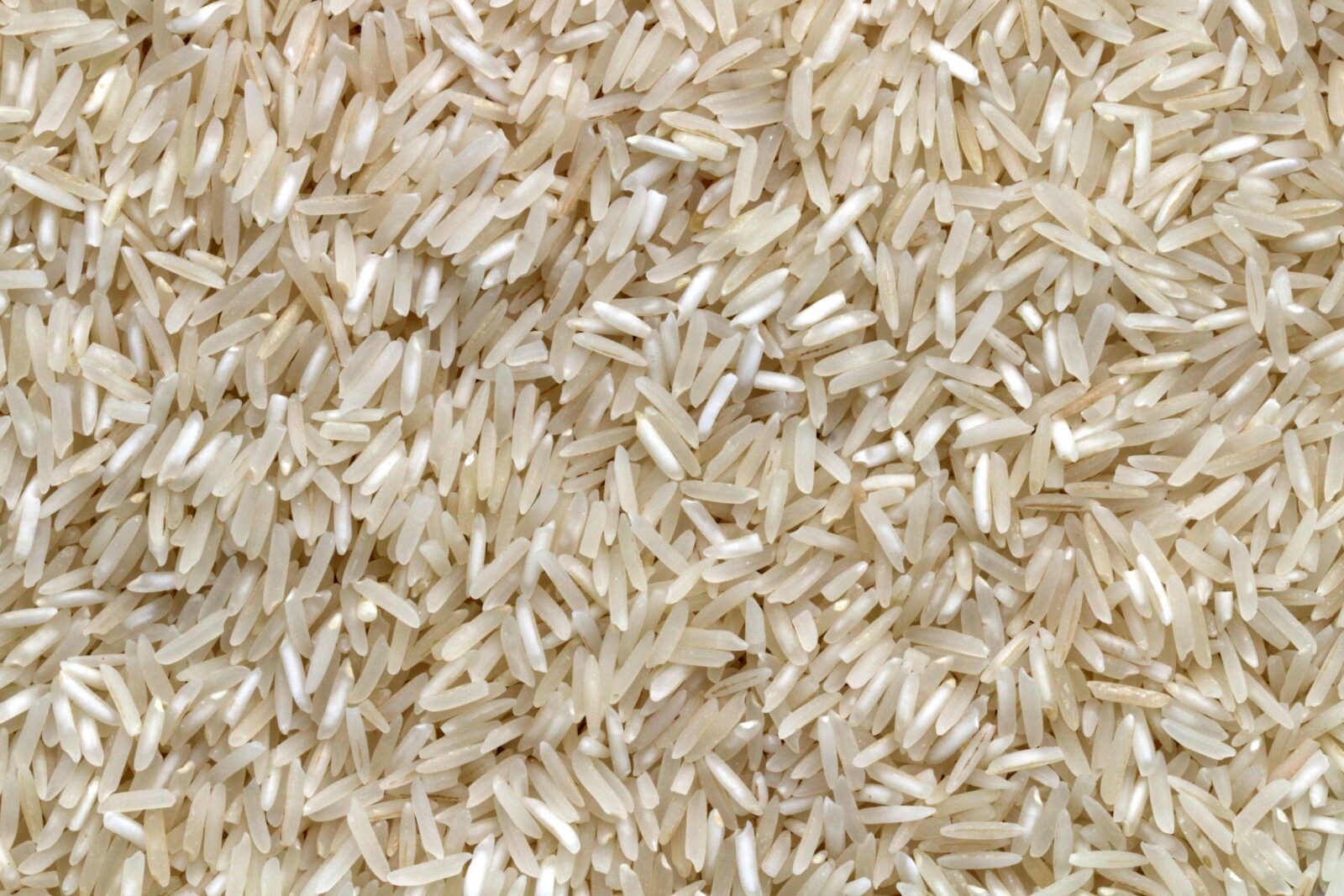
Modern rice milling techniques frequently enough receive accolades for their efficiency and productivity improvements; though, a closer examination reveals a more complex reality. The advent of advanced technologies such as automated milling systems and high-precision sorting machines has indeed increased throughput and quality. Nevertheless, this progress comes with strings attached. For instance, while high-energy consumption is offset by the gains in output, the environmental impact cannot be overlooked. Moreover, many modern facilities are capital-intensive, potentially putting them out of reach for smallholder farmers and cooperatives. This raises critically important trade-offs between scaling operations and maintaining local economic viability.
To truly assess the impact of these techniques, stakeholders must consider a spectrum of factors beyond mere output. For instance, investments in sustainable practices, such as waste recycling and water reduction, should be prioritized alongside machinery upgrades. In adopting a more holistic approach, the following distinctions emerge:
- Long-term Sustainability vs. Short-term Gains: Quickly upgrading to the latest equipment may yield immediate productivity boosts, but could lead to obsolescence and maintenance burdens in the long run.
- Economies of Scale vs. Local Resilience: large facilities can benefit from economies of scale, but might weaken local supply chains and diminish the role of smallholdings.
- Quality Consistency vs. Genetic Diversity: While modern techniques frequently enough promote uniformity, they may undermine local varieties that are more resilient to climate challenges.
by navigating these complexities, stakeholders can foster a more balanced adoption of modern techniques that emphasizes not just efficiency, but also the resilience of local communities and ecosystems.
Balancing Tradition and Technology in the Quest for Rice Sustainability
In the quest for rice sustainability,the integration of traditional agricultural practices with cutting-edge technology presents both opportunities and challenges. traditional methods, often passed down through generations, promote biodiversity and cultural heritage, serving as a reminder of rice’s historical significance. Though, these practices can simultaneously limit scalability and adaptation to modern market demands.Technological advances, particularly in precision agriculture, data analytics, and eco-friendly processing methods, have the potential to enhance yields and minimize environmental footprints. The real challenge lies in finding the optimal balance between preserving traditional knowledge and embracing innovative solutions. Stakeholders must focus on critical distinctions, advocating for a selective adoption of technology that aligns with sustainable goals rather than a blanket application that could undermine local practices.
- Adoption of Controlled Environment agriculture (CEA): While it offers higher efficiency, it risks commoditizing rice and sidelining smallholder farmers.
- Use of genetically modified organisms (GMOs): These can lead to higher pest resistance but may upset ecosystems and traditions.
- Vermiculture and Organic Fertilizers: Although labor-intensive, they enhance soil health sustainably and protect indigenous practices.
Nuanced recommendations include fostering hybrid models that engage local farmers in technology deployment.This could take the form of public-private partnerships that prioritize training and knowledge transfer, empowering farmers to adopt beneficial technologies without losing touch with their roots.Moreover, leveraging data analytics to analyze soil health and weather patterns should not replace local intuition but rather complement it, creating a symbiotic relationship that enhances productivity sustainably. By promoting community-led initiatives that allow for the sharing of best practices, the rice sector can thrive at the intersection of tradition and technology, ensuring both ecological integrity and economic viability.
The Silent Stakes: Exploring Socio-Economic Trade-offs in rice Production Advances
The advancements in rice production, while promising in their potential to alleviate hunger and increase yields, introduce a spectrum of socio-economic trade-offs that often go unnoticed. The mechanization of rice farming, such as, may enhance productivity but simultaneously threatens traditional farming practices and the livelihoods of smallholder farmers. This bifurcation creates a divide wherein economically disadvantaged farmers struggle to compete with larger operations that can afford advanced technology. such disparity highlights the pressing need for inclusive policies that balance innovation with sustainability. To mitigate this, stakeholders must consider:
- Access to Technology: Ensure equitable access to modern agricultural techniques for smallholders.
- Community Training Programs: Develop training initiatives that empower farmers to utilize new tools effectively.
- Market Support Schemes: Implement price supports that stabilize income for those hit hardest by mechanization.
Moreover, the shift towards high-yielding varieties (HYVs) and genetically modified organisms (GMOs) presents critical ethical and ecological dilemmas. While these innovations can substantially enhance food security, they often come at the cost of genetic diversity and local ecosystems. Promoting monocultures undermines resilience to pests and climate change, directly impacting rural economies that depend on diverse crops. To navigate these complexities, it’s essential to prioritize:
| Consideration | Implication |
|---|---|
| Crop Diversity | Encourages resilience and adaptive capacity in farming communities. |
| Consumer Awareness | Fosters demand for sustainably produced rice, encouraging better farming practices. |
| Environmental Impact | Assess the ecological footprint of production methods to ensure sustainability. |
In this intricate landscape, the challenge lies in constructing a multi-faceted approach that reconciles technological advancement with ethical responsibility. Stakeholders must engage in a dialogue that broadens the definition of progress—one that encompasses equitable social structures and sustainable practices alongside heightened production capabilities.
Final Thoughts
In an era where sustainability is not just a trend but a necessity, the journey from paddy to plate is undergoing a transformative revolution. As we’ve explored, the advancements in rice processing technologies not only promise to enhance efficiency and reduce waste but also set the stage for a more sustainable agricultural future.By embracing innovative practices and prioritizing environmental stewardship, we are not only honoring the centuries-old traditions of rice cultivation but also safeguarding the planet for generations to come.
As consumers,we hold the power to drive this change,making informed choices that support sustainable rice production and processing. Ultimately, the path we choose today will shape the quality of our food and the health of our ecosystems tomorrow. Every grain matters, and together, we can cultivate a future where nourishing our bodies does not come at the cost of our environment. Let us continue this journey, from paddy to plate, with a shared commitment to innovation and sustainability.