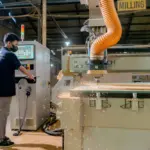
In an age where efficiency and sustainability drive agricultural innovations, the humble rice mill is undergoing a remarkable transformation. As the backbone of rice processing in many regions, the evolution of technology has introduced the combine mini rice mill—a compact yet powerful solution that promises to redefine how we approach rice production. This complete guide delves into the myriad benefits of these modern marvels, exploring their potential to enhance productivity, improve quality, and reduce waste. Whether you are a seasoned rice farmer, an aspiring entrepreneur, or simply curious about advancements in agricultural technology, join us as we navigate the landscape of combine mini rice mills and uncover the advantages they offer in today’s fast-paced world of rice processing.
Understanding combine Mini Rice Mills and Their Role in Contemporary Agriculture
Combine mini rice mills represent a critically important advancement in agricultural technology,streamlining the rice milling process and offering numerous benefits to farmers and processors alike. these compact machines integrate multiple functions—hulling, milling, and even polishing rice—into one unit, making them ideal for small to medium-sized enterprises. This not only reduces the physical labor involved in customary milling methods but also enhances efficiency. Moreover, with their robust design and reduced energy consumption, combine mini rice mills offer a practical solution for modern farmers looking to optimize production while minimizing costs.
farmers interested in adopting combine mini rice mills frequently enough seek facts about their advantages over conventional milling setups. Here are some key benefits to consider:
- Efficiency: The integration of processes reduces the need for multiple machines, resulting in increased throughput.
- Cost-Effective: Lower initial investment costs compared to larger, more complex milling equipment.
- Space-Saving: Their compact size makes them suitable for small landholdings where space is limited.
- Improved Grain Quality: Modern technology ensures better quality rice with higher milling recovery rates.
Though, it is indeed essential to evaluate potential challenges as well. Some users report issues with maintenance and spare parts availability. Comparatively, while larger mills may offer higher output, they require more infrastructure and capital expense, making combine mini rice mills an appealing choice for those focused on sustainability and efficiency. Ultimately, choosing the right mini rice mill depends on individual needs, operational scale, and cost considerations.

Unlocking the Advantages of Mini Rice Mills for Efficient Grain Processing
Mini rice mills are revolutionizing grain processing by offering several advantages that traditional milling methods cannot compete with. These compact machines are specially designed to produce high-quality rice efficiently while minimizing waste and maximizing output. One of the key benefits is their energy efficiency; mini rice mills consume significantly less power than larger machines, resulting in reduced operational costs. Furthermore, the easy-to-use design simplifies the milling process, making it accessible to a wider audience, including small-scale farmers and cooperatives. Some additional advantages include:
- Space-saving Design: Mini mills are compact and can fit into smaller areas,ideal for rural settings.
- Versatility: many models are capable of milling different grain types,allowing users to diversify their production.
- Lower Investment: The initial investment is comparatively lower, making it feasible for small business owners.
- High Retention of Nutrients: Advanced milling techniques help retain more nutrients in the processed grains.
However, it’s essential to choose the right mini rice mill based on specific needs. Comparing different models can be beneficial; as a notable example,some might offer better husking rates,while others may prioritize polishing efficiency. Here’s a
| Feature | Model A | Model B |
|---|---|---|
| Husking Rate | 92% | 90% |
| Power Consumption | 1.5 kW | 2.0 kW |
| Processing Capacity | 300 kg/h | 250 kg/h |
When considering adoption,assess factors such as local grain availability,desired production capacity,and budget constraints. ultimately, integrating a mini rice mill into grain processing operations can lead to enhanced productivity and profitability, making it a valuable asset for modern rice processing.
Debunking Myths Surrounding Mini Rice Mills: Separating Fact from Fiction
When it comes to mini rice mills, various myths often cloud their actual benefits and capabilities. One common misconception is that these mills are only suitable for small-scale operations with minimal output. In reality, modern mini rice mills are designed to handle considerable capacities while maintaining efficiency and quality. They integrate advanced technology that ensures high milling rates and produce low broken rice percentages, which is critical for market competitiveness. Many smaller farmers and producers have successfully increased their production capacities and overall profitability using these mills, challenging the notion that size limits productivity.
Another myth is that mini rice mills compromise grain quality. This concern arises from the perception that smaller, manual mills operate below industrial standards. However, mini rice mills incorporate high-quality huskers, whiteners, and polishers that are on par with larger units. Furthermore,they offer the versatility to process different rice varieties,enhancing their value proposition. Here’s a quick comparison of common myths versus facts surrounding mini rice mills:
- Myth: Mini rice mills are inefficient for large-scale production.
- Fact: They have robust technology to support substantial output with lower energy consumption.
- Myth: All mini rice mills produce low-quality rice.
- Fact: High-quality milling components ensure superior grain quality and minimal breakage.
- Myth: Mini rice mills are only for emerging markets.
- fact: Many established rice producers are adopting mini mills for niche markets and local sourcing.
addressing these myths helps potential buyers make informed decisions. By recognizing the true capabilities of mini rice mills, stakeholders can fully explore their benefits, mitigate risks, and leverage these systems for effective rice processing.
Key Considerations for Choosing the Right Mini Rice Mill for Your Needs
When selecting the right mini rice mill, there are several key factors to consider to ensure it meets your processing needs effectively. First, evaluate the capacity and processing speed of the mill. Depending on your production requirements, you may need a mill that can process anywhere from 100 kg to several tons of rice per hour. Look for models that offer adjustable settings to accommodate different rice varieties and grades, allowing for consistent quality. Additionally, consider the size and design of the mini rice mill, especially if space is limited. Portable or compact designs may be favorable for small-scale operations or rural settings.
Another crucial aspect is the technology and features integrated into the rice mill. Modern mini rice mills often come equipped with features such as husking, whitening, and polishing functions that can enhance the final product’s quality. Pay attention to the energy efficiency of the machine, as this can have a significant impact on operating costs in the long run. For comparison purposes, you might find it useful to create a table that contrasts power consumption, maintenance needs, and the types of rice processed across different models. Also, consider the availability of spare parts and support from manufacturers, as this can affect the longevity and reliability of your investment. Making an informed decision encompasses understanding your specific needs and aligning them with the capabilities of the mini rice mill you choose.
Insights and Conclusions
As we wrap up our exploration of combine mini rice mills, it becomes evident that these innovative machines are not just a boon for rice processors but also a catalyst for lasting agricultural practices. With their compact design, efficiency, and versatility, they represent a significant advancement in modern rice processing technology. The ability to streamline operations while minimizing waste is invaluable for farmers and millers alike,promising a brighter future for the industry.
Embracing the benefits of combine mini rice mills means embarking on a journey towards enhanced productivity, cost-effectiveness, and quality in rice production. This comprehensive guide serves as a stepping stone for those looking to modernize their practices and make informed decisions in this evolving landscape.
As we move forward, the insights gathered from this exploration will empower stakeholders across the agricultural sector to harness the potential of these machines, paving the way for a more sustainable and efficient rice supply chain.so, whether you’re a seasoned rice miller or just beginning your foray into the world of rice processing, the time to innovate is now.Together, we can cultivate a future where tradition meets technology, nurturing the grains that sustain us all.