in an ever-evolving agricultural landscape, the quest for modern solutions that enhance productivity and efficiency has led to the rise of mini rice mill plants. These compact and versatile machines are becoming increasingly popular among small and medium-scale farmers who seek to streamline their operations without a hefty investment. But what exactly does a mini rice mill plant offer, and how can one set it up effectively? In this comprehensive guide, we will explore the myriad benefits of mini rice mill plants, provide a step-by-step setup guide, and present a detailed cost comparison to help you make informed decisions. Whether you’re a seasoned rice farmer or a newcomer looking to dive into the milling business, this article serves as your go-to resource for unlocking the potential of mini rice mill plants. Join us as we unpack everything you need to know to take your rice production to new heights.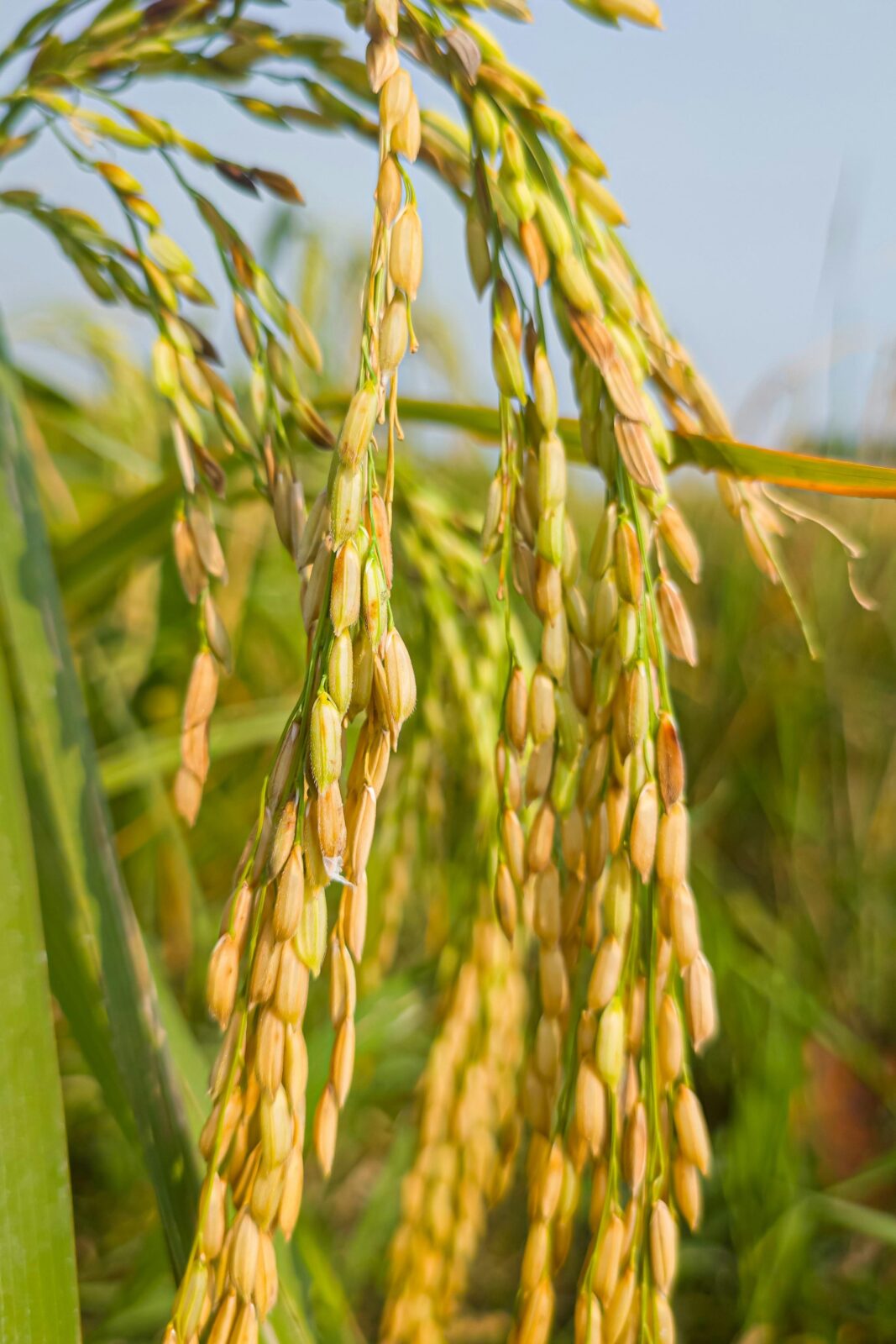
Exploring Mini Rice Mill Plants: A Comprehensive Guide to Benefits and Challenges
Mini rice mill plants are small-scale processing units designed to convert paddy into rice, catering primarily to local markets and small businesses. These plants are notably beneficial for entrepreneurs and farmers due to several benefits:
- Cost-Effectiveness: Mini rice mills require lower capital investment compared to larger mills, making them accessible for aspiring business owners.
- Ease of operation: Many modern mini rice mills are designed to be user-amiable, allowing operators with minimal technical knowledge to run them efficiently.
- Quality Maintenance: These plants enable better control over the quality of rice produced, enhancing the marketability of the product in local and organic niches.
- Employment Opportunities: Operating a mini rice mill can create job opportunities in rural areas, fostering local economies.
However,mini rice mill plants also face distinct challenges. Here are some common problems and considerations for potential buyers:
| Challenges | Impact |
|---|---|
| limited Capacity: Mini rice mills typically have a lower throughput compared to larger plants, which can restrict scaling up production. | Potential difficulty in meeting high demand during peak harvesting seasons. |
| Technical Maintenance: Though user-friendly, these mills may still require regular maintenance and repair to prevent downtime. | Increased operational costs if not managed effectively. |
| Market Competition: Entering the rice milling business can be challenging due to existing competitors with established supply chains. | Need for strategic marketing and branding to capture market share. |
Recognizing these benefits and challenges can significantly aid prospective mini rice mill operators in making informed decisions. A thorough market analysis and careful planning can pave the way for success in this vital sector of agriculture.
Navigating Costs and Setup Essentials for Your Mini Rice Mill Plant
Navigating the costs and setup essentials for a mini rice mill plant involves understanding both initial investments and ongoing operational expenditures. The costs can vary significantly based on the scale of production, equipment quality, and location. Generally, the initial setup can range from $5,000 to $50,000, which may include equipment such as rice huller, separator, and packaging machines. Additionally, you’ll want to factor in costs for land, utilities, and permits. Here’s a brief breakdown of typical costs you might encounter:
- Equipment Cost: $15,000 - $30,000
- land and Construction: $5,000 – $20,000
- Utilities (Water, Power): $500 – $1,500
- Labor Costs: $1,000 – $3,000/month
When setting up your mini rice mill, essential considerations should include not only your budget but also the technological requirements for efficiency. Choose machines that offer modular setups for easy expansion. Furthermore, consider sourcing high-quality raw materials, as this affects both the product quality and the operational costs. It’s also beneficial to evaluate the local market for potential customers, as proximity to rice farmers can reduce logistics costs.As you plan, ensure you have a realistic timeline for achieving profitability, considering factors like market demands and seasonal variations. By taking these factors into account, you can create a holistic view of costs and setup essentials that aligns with your goals.
Debunking Myths: Understanding Mini Rice Mills in the Modern Agriculture Landscape
In the realm of modern agriculture, mini rice mills have often been surrounded by myths that can deter small-scale farmers and entrepreneurs from considering their benefits. One common misconception is that mini rice mills are only suitable for large-scale operations. In reality, these compact machines are designed specifically to cater to the needs of small farmers, providing them with a cost-effective and efficient means of processing rice. Mini rice mills are capable of handling up to 500 kg of paddy per hour, making them ideal for local production while ensuring a fresh supply of rice directly from the farm. Additionally, the utilities of mini rice mills extend beyond mere milling; they can also produce by-products such as rice husk, which can be utilized for energy generation or animal bedding, thereby enhancing the overall profitability of agricultural practices.
Another prevalent myth is the assumption that mini rice mills require extensive maintenance or technical expertise that small operators cannot provide. In truth, most modern mini rice mills are built with user-friendliness in mind. They come with comprehensive manuals and are often designed to operate with minimal technical skill. Many manufacturers offer training programs and customer support to further ease the operational burden. Moreover, considering the cost benefits of mini rice mills, they can drastically reduce labor costs while increasing yield quality. With the right setup, farmers can expect a return on investment within just a few months of operation. Here’s a rapid comparison of key aspects:
| Aspect | Mini Rice Mill | Traditional Rice Mill |
|---|---|---|
| Initial Investment | Low to moderate | High |
| Processing Capacity | Up to 500 kg/hour | Varies widely, often higher |
| Ease of Use | User-friendly | More complex |
| Return on Investment | quick (months) | Slower |
Choosing the Right Mini Rice Mill: Key Factors and Insights for Aspiring Entrepreneurs
When venturing into the mini rice mill business, aspiring entrepreneurs should carefully consider several key factors to ensure their investment is sound and fruitful. Capacity and Scale are paramount; understanding how much rice you plan to process daily will guide you in selecting equipment that meets your needs without needless expenditure. Typically, mini rice mills are available in capacities ranging from 250 kg to 1,000 kg per day. Additionally, technology and automation play critical roles. Modern machines offer features like automated milling processes, which can enhance both efficiency and product quality. The choice between manual and automated systems ultimately depends on your budget and operational expertise.
equally important are cost and maintenance factors. When assessing potential mills, initial purchase price must be juxtaposed against ongoing costs such as energy consumption and spare parts. A more expensive model might reduce operational costs over time due to its efficiency. Furthermore,local availability of spare parts and service support is crucial. Consider mills from reputable manufacturers that offer warranties and technical assistance, as this makes maintenance easier. Lastly, do not overlook the market potential in your area—research your competition and determine if there’s a demand for different rice varieties or value-added products. This insight can definitely help shape your operational strategy and distinguish your mini rice mill in the local market.
Concluding Remarks
embarking on the journey of establishing a mini rice mill plant presents a wealth of opportunities, intricately woven with both challenges and rewards. As we’ve explored, the benefits range from enhanced processing efficiency to increased local food security, making it a commendable investment for aspiring entrepreneurs and established businesses alike.
The setup guide provided serves as a roadmap, facilitating a smoother transition from concept to reality, ensuring you have the tools necesary for a prosperous launch. Meanwhile, a comprehensive cost comparison equips you to make informed financial decisions, allowing you to align your ambitions with your budget effectively.
As you consider your next steps in this venture, remember that knowledge is power. By arming yourself with the insights shared in this article, you stand ready to navigate the intricacies of the mini rice mill industry. Whether you’re motivated by economic gain or a desire to contribute to your community, the dream of owning a rice mill plant is within your reach.Here’s to cultivating a successful future, one grain at a time.