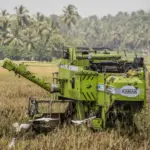
In the realm of agriculture and food processing, mini rice mills stand out as powerful allies for small-scale farmers and entrepreneurs alike. As the backbone of rice production, these compact machines not only streamline the milling process but also pave the way for economic empowerment and sustainability. with the global demand for rice continuing to rise, understanding the intricacies of mini rice mills has never been more essential. This comprehensive guide delves into the myriad benefits that these machines offer, exploring various types available in the market and providing practical insights on how to select the right mill to meet your specific needs. Weather you are a seasoned farmer looking to enhance your operation or an aspiring entrepreneur seeking to enter the world of rice milling, this article aims to equip you with the knowledge and tools necessary to make informed decisions in this vital sector. Join us as we unravel the essential aspects of mini rice mills,helping you navigate the path towards a more productive and prosperous future.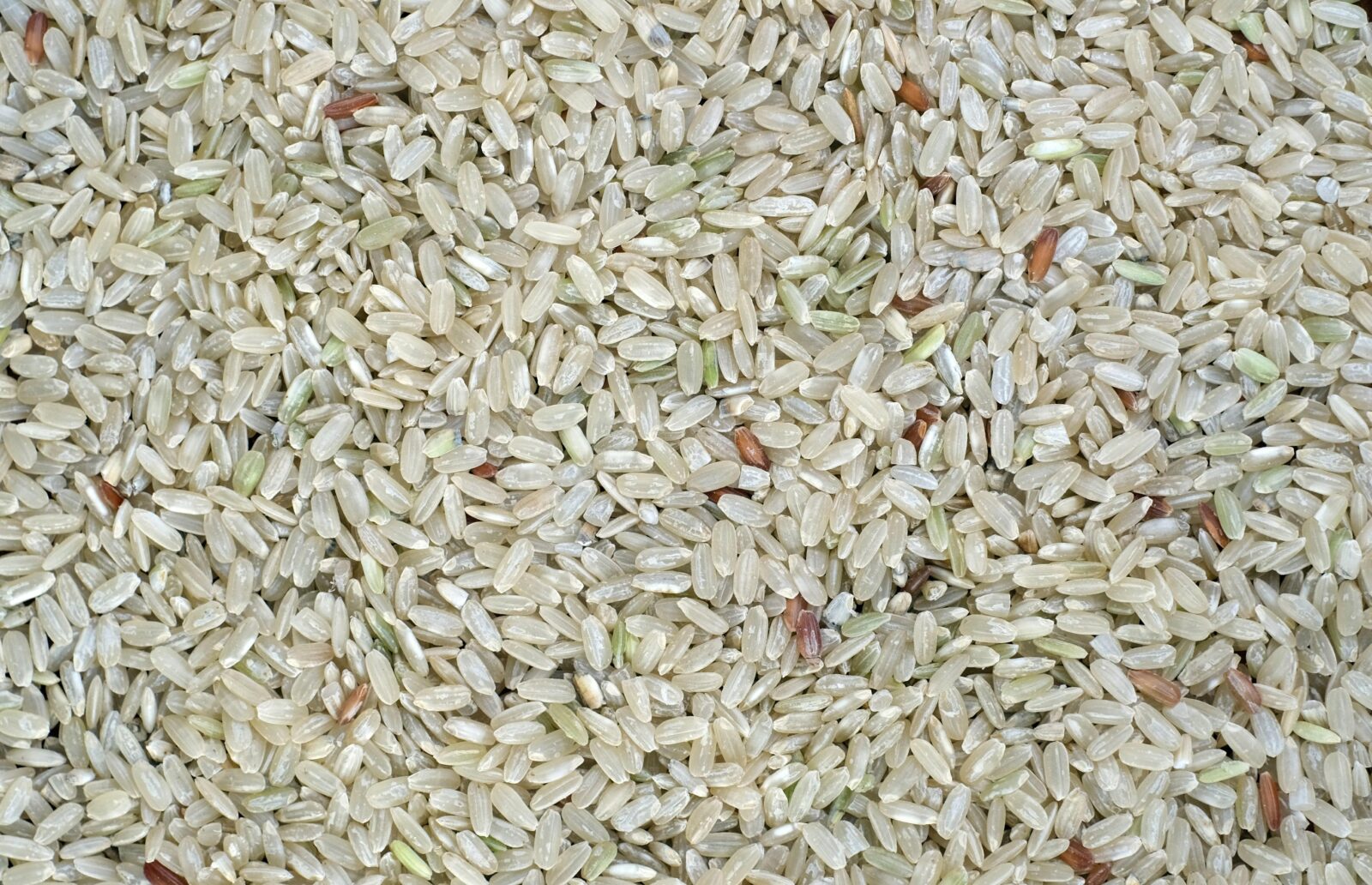
Understanding Mini Rice Mills: What they Are and How They Work
Mini rice mills are compact processing machines designed to streamline the paddy milling process into rice, making it accessible for small-scale farmers and entrepreneurs. These mills typically include a rice huller and a polisher,which together remove the husk and bran layers,producing clean,market-ready white rice. The operational simplicity and low maintenance requirements make mini rice mills an attractive option for those in rural areas looking to add value to their agricultural output. In general, these mills can process between 100-500 kg of paddy per hour, depending on the model, making them suitable for small businesses and individual farmers.
When considering the benefits of mini rice mills, several key points stand out:
- Cost-Effective: With lower initial investments compared to larger industrial mills, mini rice mills offer a practical solution for those with limited capital.
- energy Efficient: Many mini rice mills are designed to use less energy,reducing operational costs and environmental impact.
- Flexibility: Users can customize processing settings to suit different rice varieties, allowing for versatility in production.
- Reduced post-Harvest Losses: By milling paddy soon after harvest, farmers can minimize spoilage and waste, preserving the quality of their crop.
however, it’s crucial to address potential challenges. Mini rice mills may not handle large volumes efficiently, which can be a limitation for larger farming operations.Additionally, the quality of rice produced can vary based on the machine’s specifications and user proficiency. Therefore, prospective buyers should assess their individual needs, consider factors such as throughput, power consumption, and ease of operation, and possibly consult reviews or seek recommendations from existing users.
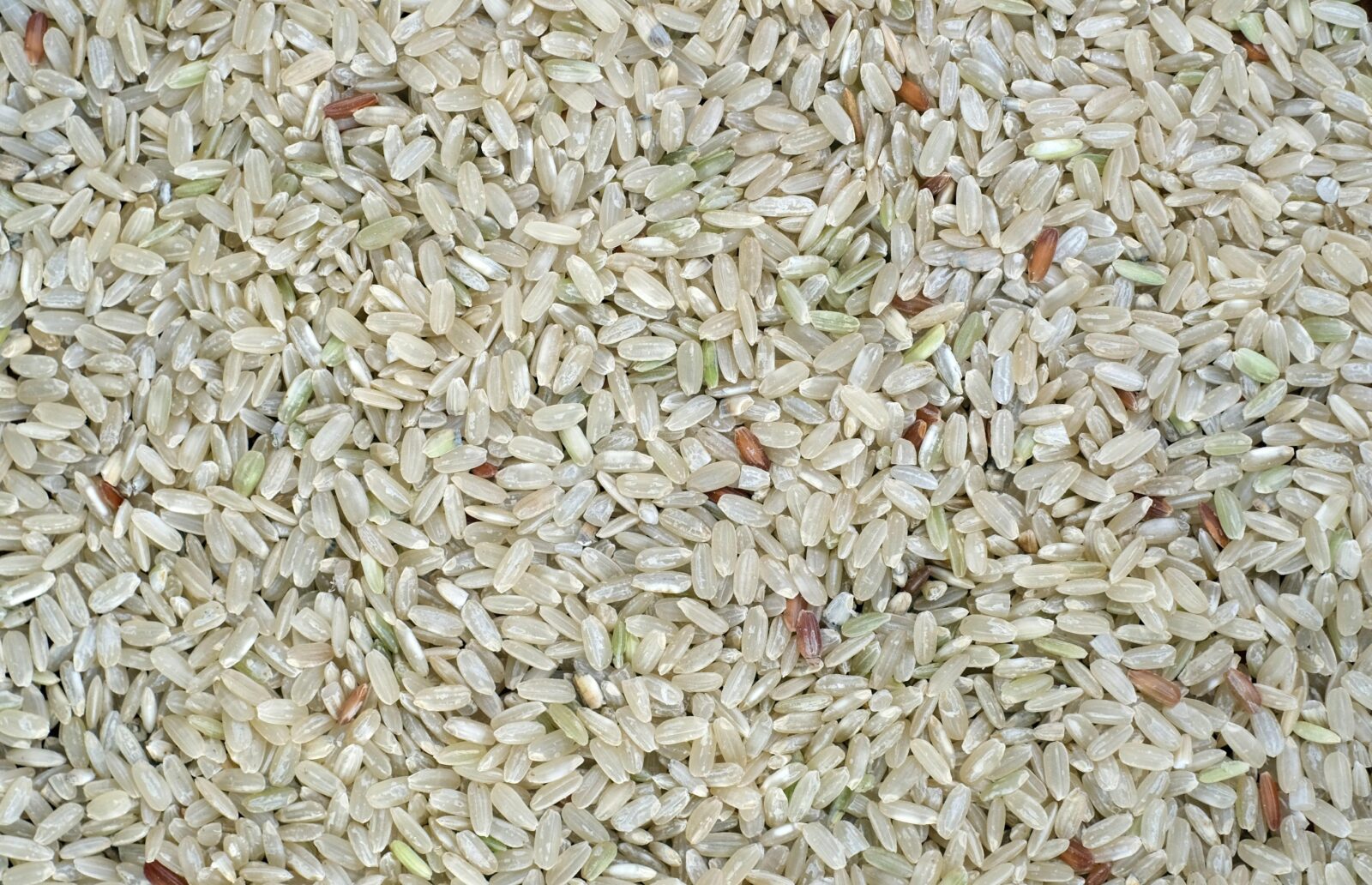
Unlocking the Advantages of Mini Rice Mills for Small Scale Producers
Mini rice mills are compact, efficient machines designed specifically for small-scale rice processing. They offer several advantages for small-scale producers looking to enhance their productivity and profitability.One of the most notable benefits is the cost-effectiveness; these mills typically require a lower initial investment compared to larger industrial mills, making them accessible for farmers and small entrepreneurs. Additionally, mini rice mills are easier to operate and maintain, which reduces the burden of technical know-how. Some specific advantages include:
- Efficiency: They process rice more rapidly and with less wastage, ensuring better yield.
- Quality Control: Producers can oversee the entire milling process, leading to better quality rice that meets market demands.
- Flexibility: With mini mills, small producers can mill rice on demand, allowing them to respond quickly to fluctuating market prices.
- Reduced Labour Costs: These machines automate much of the milling process,requiring fewer workers,which saves on labor expenses.
Though, small-scale producers may face challenges such as limited scalability or high operational costs if not managed properly. To address these issues, it is indeed essential to choose the right mini rice mill that aligns with your production goals. Factors to consider include:
| Feature | Importance |
|---|---|
| Capacity | Select a mill that matches your expected output. |
| Energy Consumption | Opt for models that are energy-efficient to minimize operational costs. |
| Durability | Invest in a well-constructed mill to ensure longevity and reduced maintenance needs. |
By carefully evaluating these features, small-scale rice producers can unlock the full potential of mini rice mills, ultimately leading to increased profitability and sustainability in their operations.
Choosing the Perfect mini rice mill: Key Considerations and Common Missteps
When selecting a mini rice mill, it’s essential to consider several key factors to ensure you choose a machine that meets your specific needs. start by evaluating the capacity of the rice mill, which typically ranges from 100 kg to over 1 ton per hour. Your choice should reflect your production goals for household or small-scale commercial purposes. Additionally,consider the power source: electric models are convenient but require access to electricity,whereas diesel or manual models offer flexibility for rural areas. Durability is another critical aspect; look for mills made from high-quality materials that can withstand regular use. Here are some crucial considerations:
- Type of milling: Select between a single-pass or multi-pass mill based on your desired output quality.
- Maintenance and support: Choose brands with good customer service and readily available spare parts.
- Budget: Assess not only the upfront cost but also the potential operational costs over time.
Common missteps can significantly impact your investment. One frequent oversight is inadequate research on product reviews and user testimonials; this can lead to selecting a machine that may not fulfill all requirements. Additionally, some buyers underestimate the importance of technical specifications such as the machine’s power consumption and efficiency ratings. Always compare several models by creating a simple table that outlines features, benefits, and pricing to clarify your options. Remember to also check the warranty and service options before committing, as these can save you from unexpected expenses down the line. Addressing these considerations and avoiding these pitfalls can lead to a more satisfactory purchase and improve your rice milling experience.
Debunking Myths Around Mini Rice Mills: Separating Fact from Fiction
Mini rice mills have garnered a fair share of misconceptions that may deter potential buyers from investing in this valuable equipment.One common myth is that mini rice mills are only suited for small-scale operations and cannot handle larger volumes of rice processing effectively. In reality, many modern mini rice mills are designed with advanced technology to cater to varying production capacities, offering efficiency comparable to larger machines. With the right model, these mills can process considerable quantities of rice while maintaining quality. Moreover, advancements in technology have enhanced their durability and performance, allowing them to compete with conventional mills, making them viable for both small farmers and entrepreneurial ventures.
Another frequently enough-misunderstood notion is that mini rice mills require extensive maintenance and are challenging to operate. This misconception may stem from outdated models and poor user education. Today’s mini rice mills come equipped with user-pleasant interfaces and comprehensive manuals, along with the option for training upon purchase.Regular maintenance, which typically involves simple cleaning and lubrication, can ensure longevity without significant effort. Additionally,many manufacturers offer customer support and maintenance services. This allows new users to overcome initial challenges swiftly and gain confidence in operating the machines. understanding the true capabilities and user-friendliness of mini rice mills can significantly shift perceptions and highlight their practicality for varying rice processing needs.
Future Outlook
In closing, the world of mini rice mills offers a wealth of opportunities for both small scale and aspiring entrepreneurs. By understanding the various types, benefits, and crucial considerations for choosing the right model, you can unlock the potential of this vital agricultural sector. Whether you’re looking to enhance local economies, support enduring practices, or simply meet personal consumption needs, a mini rice mill can be a transformative investment. As you embark on this journey, we encourage you to weigh your options thoughtfully, seek out reliable suppliers, and take your time to find the mill that aligns perfectly with your goals. With the right choice in hand, you’ll not only streamline your rice processing but also contribute to a more efficient and sustainable future. here’s to making informed decisions and reaping the rewards of your venture into the dynamic world of milling!