In the heart of many bustling agricultural communities, rice stands as a staple food, a source of sustenance, and a vital part of cultural heritage.As global demand for this versatile grain continues to rise, the need for efficient, scalable solutions in rice processing has never been more crucial. Enter the mini rice mill: a compact marvel of engineering designed to empower small-scale farmers and processors alike. In this comprehensive guide, we will delve into the myriad benefits that mini rice mills offer, from enhancing productivity and ensuring quality to promoting sustainability and boosting local economies. Whether you are a seasoned rice producer or a newcomer exploring the possibilities of rice milling, join us as we uncover how these innovative machines can transform your approach to rice processing and elevate your business to new heights.
exploring Mini Rice Mills: Understanding Their Role in Small-Scale Agriculture
Mini rice mills are compact, efficient processing units designed to streamline the rice milling process, making them an invaluable asset for small-scale farmers. These mills have the capacity to transform harvested paddy into high-quality rice, significantly improving profit margins and reducing dependency on large milling facilities. some of the primary benefits of mini rice mills include:
- Cost-Effectiveness: Mini rice mills require a lower initial investment compared to traditional large-scale mills, making them accessible for small farmers.
- Efficiency: They operate with minimal waste and can process rice much faster, allowing farmers to sell their products sooner.
- Quality Control: Farmers can directly oversee the milling process,ensuring that the final output meets their quality standards.
- Adaptability: These mills can be adjusted for different varieties of rice, catering to the specific preferences of local markets.
Despite their advantages, mini rice mills are not without challenges. Some farmers may encounter issues with maintenance and durability, particularly if they invest in lower-quality models. Comparatively,larger mills frequently enough have more advanced technology and infrastructure,but their high operational costs can make them impractical for small-scale operations. To ensure a successful investment, farmers should consider recommendations such as:
- Choosing reputable manufacturers with strong customer support.
- Investing in mills with user-friendly features for easy operation and maintenance.
- Researching local market demands to select the optimal mill type that aligns with their production needs.
By carefully evaluating these aspects, small-scale farmers can harness the full potential of mini rice mills, enhancing their productivity and profitability in the competitive agricultural sector.
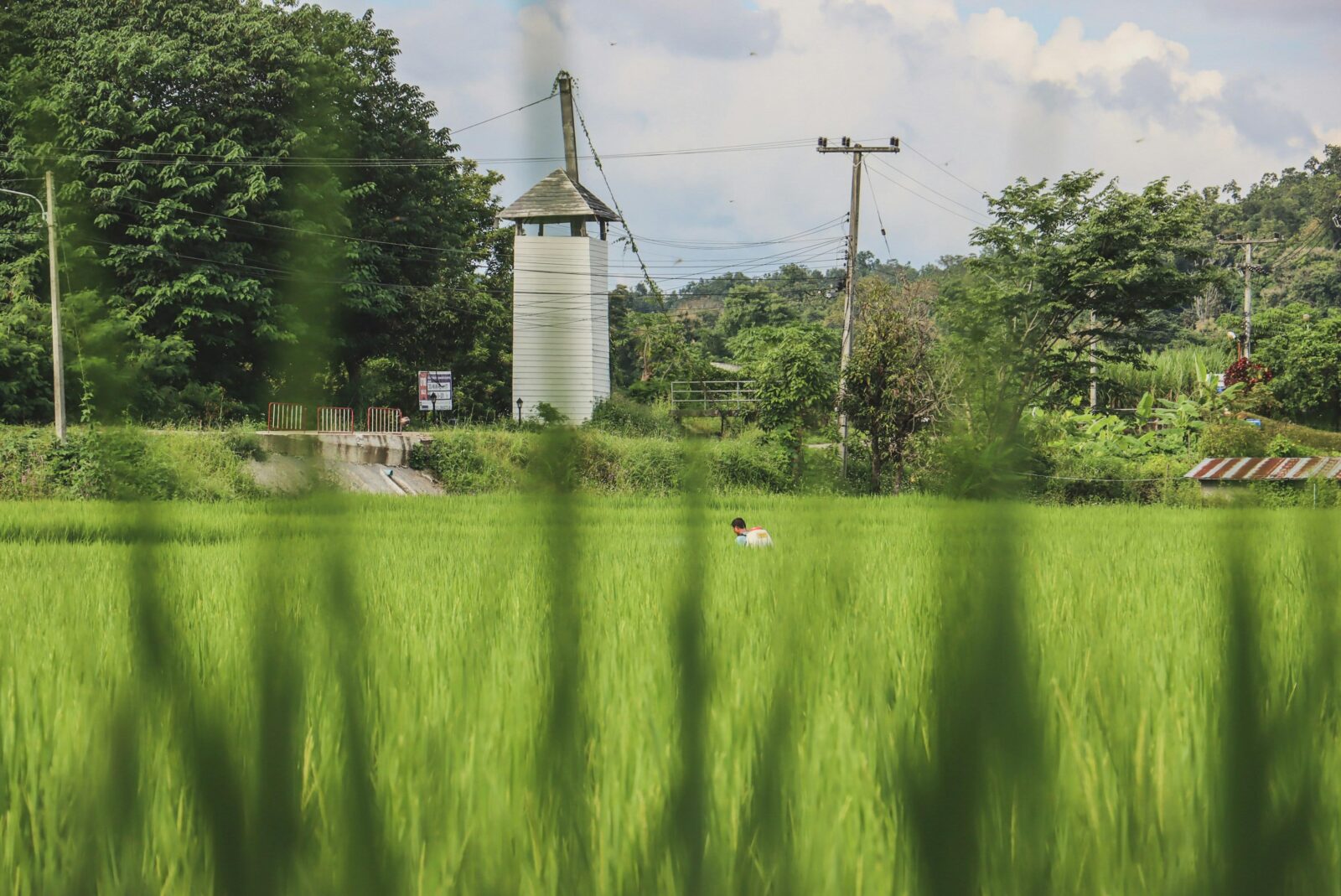
Unveiling the Advantages of Mini Rice Mills for Sustainable Rice Processing
Mini rice mills have emerged as a game-changer for small-scale rice processing, addressing the growing need for efficiency and sustainability in agricultural practices. Unlike traditional large mills, mini rice mills are compact, making them accessible to small farmers and entrepreneurs. They typically require less capital investment and lower operating costs, enabling smallholders to process their rice locally, thereby increasing the value and marketability of their produce.Here are some key advantages:
- Reduced Post-Harvest Loss: With a mini rice mill, farmers can process their rice immediately after harvest, significantly minimizing the risk of spoilage and loss caused by pests or climate conditions.
- Localized Processing: These mills facilitate local processing, which not only retains economic value within the community but also promotes fresh, quality products.
- Energy Efficiency: Mini rice mills are designed to be energy-efficient, lowering energy expenses and utilizing resources in an environmentally friendly manner.
- Job Creation: By establishing mini mills, communities can create local jobs, boosting the rural economy and encouraging further agricultural progress.
- Customizable Processing: Farmers can customize their processing levels,opting for brown rice or white rice depending on market demands or personal preferences.
However,while mini rice mills offer numerous benefits,there are challenges to consider. One potential issue is the scale of production; for larger farming operations, a mini-mill may not meet their processing volume needs. It’s also vital to evaluate the quality of output; poorly designed mills can lead to lower milling rates and higher broken rice percentages, which could affect profitability. To maximize the benefits of mini rice mills, it’s essential to choose high-quality equipment and receive proper training on usage and maintenance.Comparing different models is advisable; here’s a simplified table to highlight crucial factors:
| Feature | Mini Rice Mill | Traditional Mill |
|---|---|---|
| Cost | Lower initial investment | Higher initial investment |
| Processing Volume | Limited but sufficient for small-scale | High volume |
| Energy Consumption | More energy efficient | Typically higher |
| Environmental Impact | Lower overall impact | Higher due to scale |
Common Misconceptions about Mini Rice Mills and the Truth Behind Them
When considering mini rice mills for small-scale rice processing, several misconceptions can cloud judgment.One prevalent belief is that mini rice mills are only suitable for small quantities and lack efficiency compared to larger commercial mills. In reality, modern mini rice mills are designed to process rice effectively and quickly, often with capacities ranging from 200 to 500 kg per hour. They incorporate advanced technology similar to that found in larger mills, ensuring a high level of milling efficiency and polished rice output. Additionally, these mills often feature multi-functional capabilities, allowing them to perform tasks like dehusking, whitening, and grading all in one unit.
Another misconception is that mini rice mills are prohibitively expensive for small-scale farmers or entrepreneurs. Though, the truth is that many affordable options are available, and the return on investment can be meaningful.Mini rice mills typically require a lower initial capital investment compared to their larger counterparts, and operational costs are minimized due to their energy-efficient designs. Moreover, the production of high-quality rice allows mini mill owners to access premium markets. To summarize,here are some key points regarding common misconceptions about mini rice mills:
- Efficiency: They match larger mills in performance,making them viable for significant rice processing.
- Cost-Effectiveness: Affordable options with swift ROI, ideal for small-scale operations.
- Functionality: Capable of multiple functions — from dehusking to polishing — all in one compact design.
- Quality Output: Produce high-grade rice that meets market demands.
Key Considerations for Choosing the Right mini rice mill for Your Needs
When selecting a mini rice mill, several essential factors come into play to ensure that you meet your processing needs effectively. First, consider the capacity of the mill, as it should align with your production goals; as an example, a mill with a capacity of 200-500 kg/hour is ideal for small to medium-sized operations.Next, evaluate the type of milling technology used—whether it’s rubber roll milling or stone milling—as each method has its impact on the quality of rice produced. Additionally, look into the power source; electric mills are common, but for areas with unstable electricity supply, consider diesel or manual options.
Maintenance is another crucial factor; choose a model that offers easy access to parts and has a reputation for durability to minimize downtime. Pay attention to features such as cleaning systems and output quality measurements, which can influence the efficiency of your process. When comparing different brands, create a table to contrast key specifications such as price, warranty, and customer service, which can significantly affect your buying decision. Lastly, read user reviews and testimonials for insights into real-world performance, and inquire about after-sales support for troubleshooting or spare parts availability, ensuring that your investment remains sustainable for years to come.
To Conclude
embracing the world of mini rice mills opens up a realm of possibilities for small-scale rice processing. As we’ve explored, these compact machines not only enhance efficiency and reduce labor costs but also empower local farmers and entrepreneurs to take greater control over their agricultural output. With sustainability and innovation at the forefront, investing in a mini rice mill can lead to improved food security, higher quality products, and increased profitability.As you venture into this promising opportunity, consider the myriad advantages that these small-scale solutions provide—from preserving the nutritional value of rice to boosting local economies. Whether you are a seasoned farmer looking to streamline your operations or a budding entrepreneur eager to enter the agricultural market,mini rice mills present a viable path to success.
So, take the leap, embrace the technology, and discover the benefits of mini rice mills for yourself! The journey of rice processing has never been more accessible or rewarding. Happy milling!