In a world increasingly driven by technological advancements and a growing demand for sustainable agricultural practices, mini rice mills have emerged as valuable assets for farmers and entrepreneurs alike. These compact machines not only streamline the rice milling process but also provide an avenue for cost savings and efficiency in small-scale operations. As the popularity of mini rice mills rises, so does the need to understand their multifaceted benefits and how to select the right model tailored to specific requirements. whether you are a seasoned rice producer or a newcomer eager to tap into this lucrative market, navigating the plethora of options can be daunting. This article delves into the myriad advantages of mini rice mills, offering practical insights and guidance to help you choose the perfect combine mini rice mill that aligns with your unique needs and aspirations. Embrace the journey of optimization and innovation in rice milling as we explore how these small but mighty machines can transform your agricultural endeavors.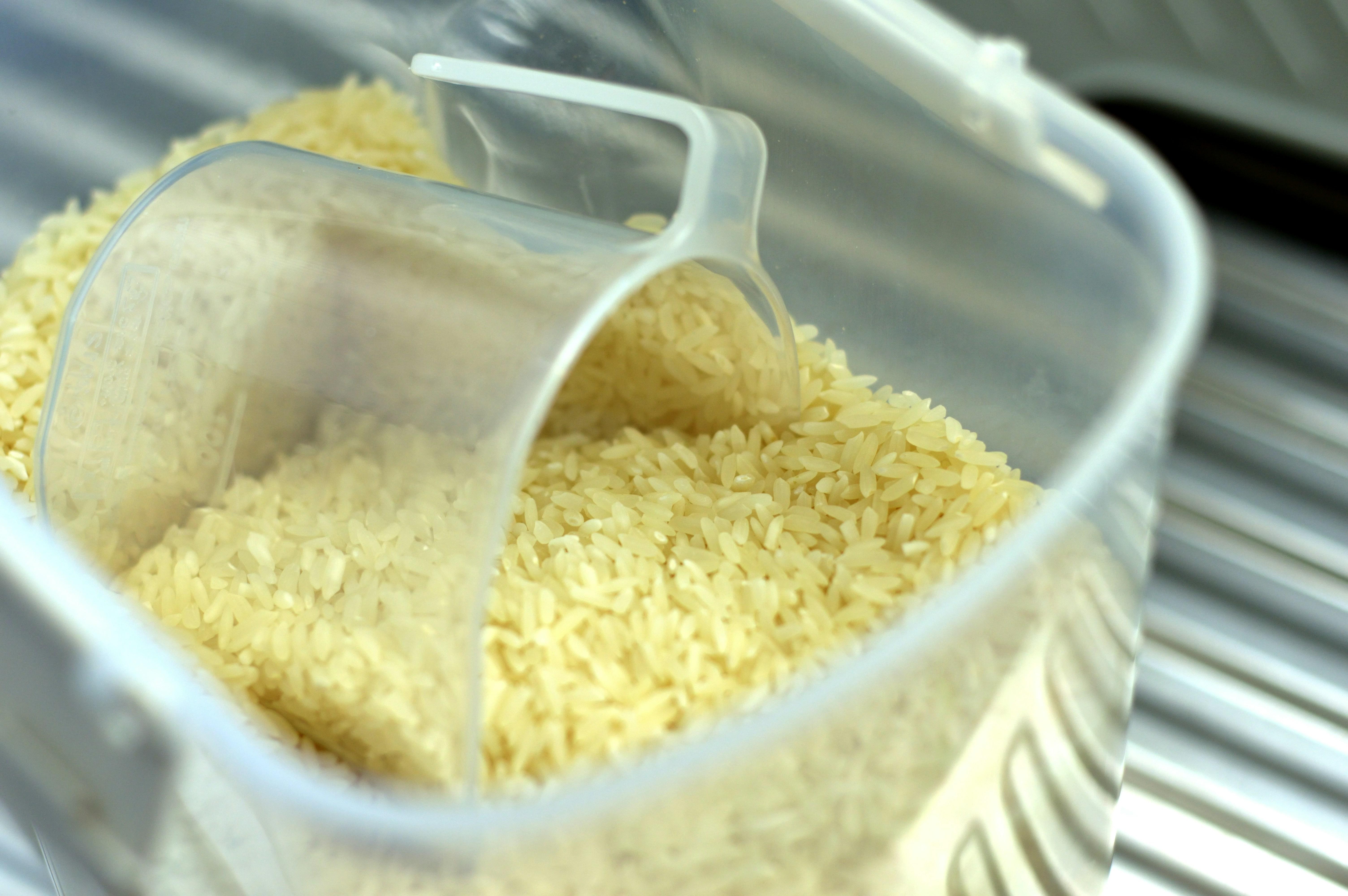
Unveiling the Power of Mini Rice Mills and Their Role in Modern Agriculture
Mini rice mills play a pivotal role in modern agriculture, offering a blend of efficiency and affordability that can considerably enhance rice production for small and medium scale farmers. These compact machines are designed to process paddy into polished rice quickly while preserving the nutritional quality of the grains. The advent of mini rice mills has democratized rice milling, making it accessible even for small farmers or cooperatives, thus contributing to food security and economic sustainability. Here are some key benefits that highlight their importance:
- Affordability: Unlike large-scale mills, mini rice mills require a lower initial investment and fewer operating costs.
- Efficiency: With advanced milling technology,these machines produce higher milling rates with less broken rice compared to traditional methods.
- Versatility: Many mini rice mills can also process other grains,adding value and utility for farmers.
- Easy Operation: They are designed for simple operation and maintenance, making them suitable for small businesses without extensive training.
When selecting a mini rice mill, potential buyers should consider various factors, including the milling capacity, power requirements, and overall durability. Comparing different models will reveal a range of features like husk removal efficiency and the ability to produce various rice grades. For those who may face challenges in sourcing parts or maintenance, opting for a reputable brand with a good after-sales service record is essential. Here’s a brief comparison to help in making an informed choice:
| Feature | Model A | Model B |
|---|---|---|
| Milling Capacity (kg/hour) | 500 | 300 |
| Power Requirement (HP) | 5 | 3 |
| Weight (kg) | 150 | 120 |
| price (USD) | 1,200 | 800 |
mini rice mills represent a transformative solution for smallholders aiming to optimize their rice production processes while addressing economic challenges. Their growing presence in the agricultural sector underscores the shift towards smaller, more efficient, and localized food production systems. Choosing the right model ensures that farmers can meet their specific needs while contributing to a more sustainable agricultural landscape.
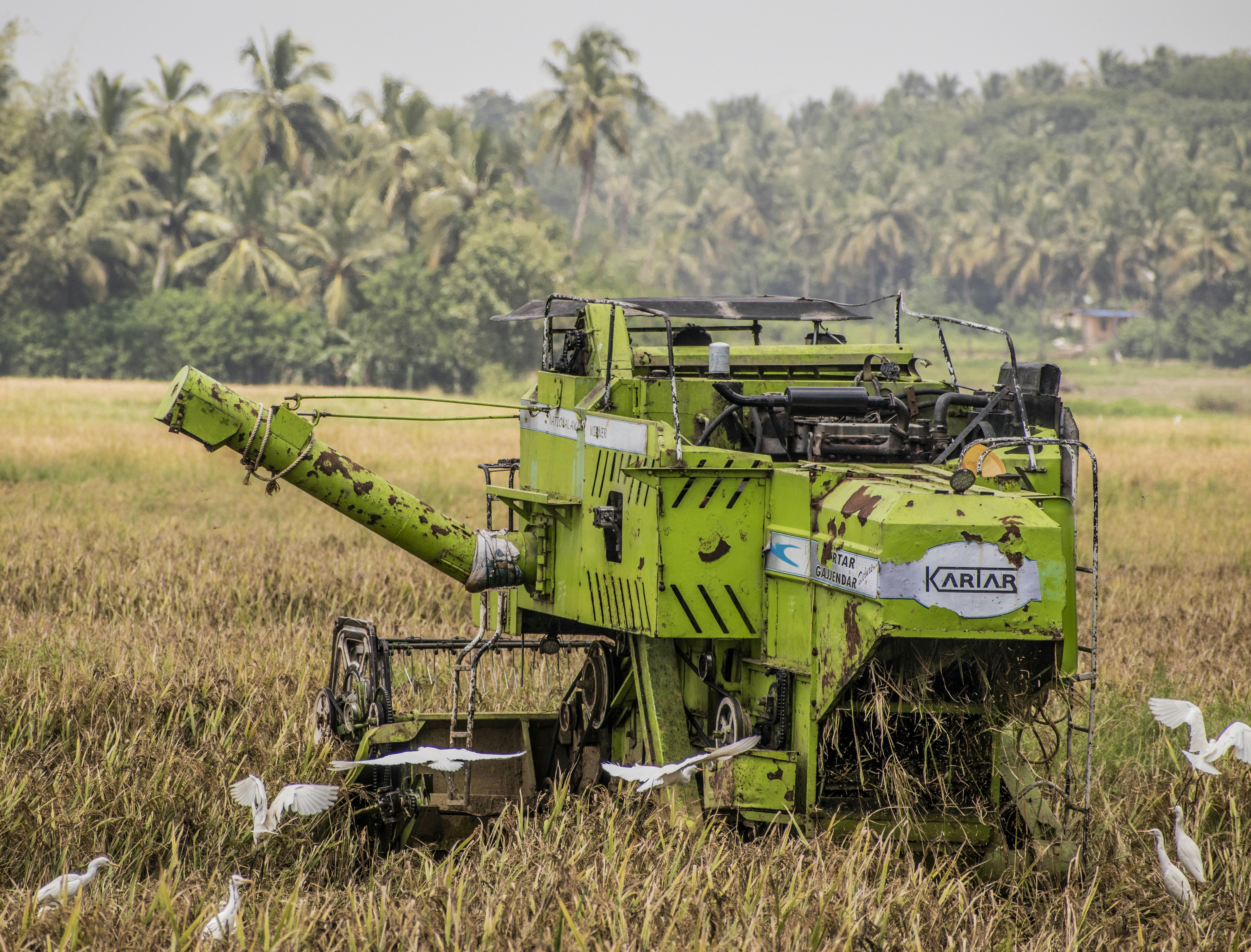
Navigating Your Options: Key Features to Consider When Choosing a mini rice mill
When selecting the right mini rice mill, it’s essential to consider several key features that align with your needs and farming practices. First, evaluate the capacity of the mini rice mill, which typically ranges from 300 kg to 1,000 kg of rice per hour. This factor is crucial if you manage a small farm or are engaged in small-scale processing. Additionally, consider the type of milling. Traditional mini rice mills frequently enough come with a single pass system while modern variants might feature continuous flow systems that enhance efficiency. Look for options that offer multifunction capabilities, allowing you to process different grains, which can diversify your production and boost profitability.
Another important aspect is the energy source; many mini rice mills operate on electricity, but some models offer diesel or solar alternatives, making them more flexible for off-grid locations. Don’t overlook the ease of maintenance and availability of spare parts, as these can significantly reduce downtime and extend the life of your equipment. Lastly,comparing price vs. performance is crucial. While it’s tempting to go for the least expensive option, consider long-term savings through durability and efficiency. A short comparison chart can help clarify these features:
| Feature | Budget Model | Mid-Range Model | High-End Model |
|---|---|---|---|
| Capacity (kg/hr) | 300 | 600 | 1,000 |
| Power Source | Electric | Electric/Diesel | electric/Solar |
| Maintenance Ease | moderate | Low | Minimal |
| Price Range | $1,000 – $2,000 | $2,500 – $4,000 | $5,000+ |
Debunking Myths: Common Misconceptions About Mini Rice Mills Explained
When considering the adoption of a mini rice mill, several misconceptions often surface, influencing potential buyers’ decisions. One common myth is that mini rice mills are only suitable for small-scale operations and cannot handle significant production demands. In reality, modern mini rice mills come equipped with advanced technology that allows for efficient processing of critically important quantities of paddy rice. Many models are designed with high-capacity output capabilities, making them suitable for both small businesses and larger farming operations. Furthermore, their compact size often leads to misconceptions about durability; however, reputable manufacturers ensure that these machines are built from robust materials that provide longevity and reliability.
Another prevalent misunderstanding is that investing in a mini rice mill is an unneeded expense, especially for smaller farmers.On the contrary, owning a mini rice mill can result in considerable cost savings over time by eliminating the need to pay third-party milling services. As an exmaple,here’s how the cost-effectiveness stacks up:
- Lower milling Costs: By milling rice in-house,you can significantly reduce processing fees.
- Waste Reduction: Efficient processing minimizes byproducts, maximizing yield and profit margins.
- Control Over Quality: Milling your rice enables you to ensure high quality, which can lead to better market prices.
Additionally, some may believe that maintaining a mini rice mill requires extensive technical knowledge. However, most manufacturers provide comprehensive manuals and support, making it user-kind even for those with limited experience. Opting for a mini rice mill not only offers autonomy over your rice production but also presents numerous benefits that often outweigh the initial investment.
Maximizing Efficiency: The Economic and Environmental Benefits of Mini Rice Milling
Mini rice milling systems are designed to enhance both economic efficiency and environmental sustainability, making them a compelling choice for smallholder farmers and rice processors alike. These systems typically consume less energy than traditional milling processes, thereby reducing operational costs.Here are some economic benefits of mini rice milling:
- cost efficiency: The initial investment in a mini rice mill is significantly lower compared to larger milling setups. This minimizes the financial risk for small enterprises.
- Increased income: By processing their own rice,farmers can retain a higher percentage of profit than if they sold paddy to larger mills.
- Job Creation: Mini mills can operate in local economies, generating jobs and fostering community growth.
On the environmental side, mini rice mills help to reduce waste and promote sustainable practices. unlike large industrial mills that may generate significant byproducts and emissions,mini mills are designed to optimize the entire milling process.Key environmental advantages include:
- Reduced Energy Usage: Mini rice mills are generally more energy-efficient, often incorporating modern technology such as energy-saving motors.
- Lower Carbon Footprint: By processing rice locally, transportation emissions are minimized, contributing to a smaller ecological footprint.
- Waste Utilization: Many mini mills can utilize byproducts like rice husk for energy production, turning potential waste into valuable resources.
By weighing these economic and environmental factors, farmers can make informed decisions, tailoring their mini rice mill choice to align with their operational needs while also contributing positively to their communities and the surroundings.
Future Outlook
as we venture into the world of mini rice mills, it becomes evident that these compact machines offer a wealth of benefits for both small-scale farmers and entrepreneurial spirits alike. from enhancing efficiency to ensuring quality, a mini rice mill can be a game-changer in the rice processing industry.
Choosing the right combine mini rice mill, though, requires careful consideration of various factors such as production capacity, ease of use, and maintenance needs. By analyzing your specific requirements and understanding the features of different models, you can make an informed decision that aligns perfectly with your goals.
As you embark on this journey, remember that investing in a mini rice mill is not just about processing rice—it’s about empowering your agricultural practices, elevating local economies, and creating a sustainable future. With the right knowledge and equipment, the path to success in rice milling is within your reach.So take that next step, explore the options available, and watch how your venture flourishes in the grains of time.