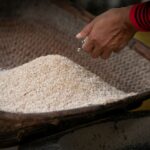
In an era where the demand for high-quality produce intersects with the necessity for operational efficiency,the paddy processing industry stands at a pivotal juncture. The journey from paddy seed to polished grain is not just a matter of agricultural finesse; it involves meticulous considerations of specifications, performance metrics, and the critical decision factors that drive success. This article offers a extensive analysis of these elements, delving into the intricacies of paddy processing units. By exploring the interplay between efficiency and quality, we aim to illuminate the best practices and innovative approaches that can enhance productivity while maintaining the highest standards. Join us as we unravel the complexities of this essential industry, providing insights that can shape a more enduring and profitable future for paddy processing units worldwide.
Innovative Approaches to structural Design in Paddy processing Facilities
focus on maximizing both efficiency and durability while minimizing overall operational costs.Modern facilities incorporate advanced technologies such as modular construction and sustainable materials, which provide adaptability and reduce the time and resources needed for assembly. Key structural considerations include:
- Modular Design: This promotes scalability and rapid reconfiguration, allowing facilities to adapt to varying harvesting volumes or technological upgrades.
- Load-Bearing capabilities: Structural integrity must accommodate heavy machinery such as dryers and hulling machines, typically weighing several tons. As an example,reinforced concrete slabs are commonly specified for flooring to bear these loads.
- Environmental controls: Roof designs and wall materials should optimize natural ventilation to reduce humidity and temperature fluctuations, which helps maintain grain quality.
- workflow Optimization: Establishing a logical flow of operations—receiving, drying, hulling, and packaging—significantly reduces processing time and contamination risks.
Performance factors should also be continuously evaluated to ensure the facility operates at peak efficiency. As an example, the layout of processing units can be analyzed using simulation tools to model and predict flow inefficiencies, comparing configurations to discover optimal setups. Limitations may arise from local regulations, such as structural height restrictions or noise ordinances, affecting the design’s feasibility. Moreover, costs associated with high-quality materials must be balanced with the expected increase in operational longevity and maintenance savings. Incorporating green building standards can further enhance the facility’s appeal and viability, allowing for credits or tax benefits, as well as fostering a commitment to sustainability among stakeholders.

Evaluating Material selection and Its Impact on Processing Efficiency
material selection plays a pivotal role in determining the processing efficiency of a paddy processing unit, as it directly influences both the operational parameters and the mechanical integrity of the equipment involved. When evaluating materials for components such as conveyors, hoppers, and milling machines, several criteria must be addressed:
- Durability: Materials must withstand abrasive paddy grains and the mechanical stresses of operation. For instance, stainless steel is preferred for its corrosion resistance and longevity in abrasive conditions.
- Weight: Lightweight materials can reduce the overall energy consumption of mobile components,enhancing efficiency.
- Thermal Properties: Since paddy processing involves temperature variations, materials with appropriate thermal resistance help maintain product quality during drying and milling.
- Cost efficiency: A balance must be struck between material costs and performance longevity. For instance, while high-grade alloys may offer better wear resistance, standard carbon steel can suffice for less critical components.
The impact of material selection not only affects equipment performance but also results in varied outcomes in processing efficiency metrics such as throughput and energy consumption. Such as, utilizing composite materials for certain structural components can enhance strength-to-weight ratios compared to traditional metals, leading to less energy required for operations without sacrificing structural integrity. Additionally, the choice of materials for surface finishes also influences friction coefficients; lower friction can enhance the speed and reduce the energy consumption of conveyor systems. Furthermore, a comparative analysis (as shown below) of different materials for use in milling equipment highlights their respective advantages and limitations:
| Material | Advantages | Limitations |
|---|---|---|
| Stainless Steel | Corrosion-resistant, Durable | Higher cost |
| Carbon Steel | Cost-effective, Strong | Prone to corrosion |
| Composites | lightweight, High strength-to-weight ratio | Perhaps higher initial cost |
Deciphering Performance Metrics: A Technical Insight into Quality Assurance in Paddy Processing
In paddy processing, performance metrics serve as a pivotal tool for evaluating the efficiency and effectiveness of quality assurance mechanisms.Key metrics include milling yield, head rice yield, and broken rice percentage, each offering insights into the operational efficiency of the processing unit. For instance, the milling yield is defined as the proportion of white rice obtained from the raw paddy and is often benchmarked at approximately 65-70%. A detailed investigation into this metric reveals that factors such as moisture content (optimal range: 13-14%) and milling equipment settings significantly influence outcomes. In line with this, comparing different milling machines—such as, such as, vertical versus horizontal rice mills—can yield ample differences in yield rates, typically with vertical mills achieving higher efficiencies due to their enhanced design features like adjustable mill settings and better rice grain handling characteristics.
Moreover, monitoring the head rice yield (the percentage of whole kernels from the milled rice) is critical for maintaining product quality. Head rice yield is usually maintained at a target of over 60%, and it can be adversely affected by factors such as excessive pressure during milling or improper adjustments of the abrasion settings on the milling equipment. A thorough understanding of the process logic behind these metrics involves recognizing the interplay between operational parameters and equipment calibration. To illustrate, the impact of wear and tear on milling rolls can lead to an escalated broken rice percentage, a metric defined as the amount of rice broken during processing. Notably, a broken rice percentage exceeding 10% often signifies a need for mill recalibration or even replacement of worn-out components, as frequent monitoring can prevent losses in product quality. To summarize, key performance indicators, when analyzed in conjunction with specific machine settings and maintenance protocols, form the backbone of effective quality assurance in paddy processing.
Engineering Dilemmas: Balancing performance Enhancement with Operational Limitations in Processing Units
In the realm of paddy processing units, engineering dilemmas frequently enough arise when endeavoring to enhance performance while adhering to operational limitations. One of the core challenges involves the trade-off between throughput and energy consumption. As a notable example, a processing unit optimized for higher capacity, such as 2 tons per hour (TPH), may necessitate increased power input, potentially straining electrical infrastructure and escalating operational costs. The operational limitations might include:
- Available power supply: units designed to process higher capacities require a robust electrical supply, which may not be feasible in all rural areas.
- Mechanical wear and tear: Increased speeds can lead to faster degradation of equipment, necessitating a balance between performance and maintenance costs.
- Space constraints: Larger systems frequently enough require more floor area, which can be limited in certain facilities.
To address these issues, engineers must emphasize energy-efficient designs without sacrificing output quality, such as using variable frequency drives (VFDs) on motors to adjust speeds according to operational needs.
Performance metrics must also encompass quality parameters alongside quantity to create a truly effective paddy processing unit. Such as, the milling degree is directly influenced by the speed and pressure settings applied during processing. Comparative analyses of processing methods illustrate how water hydration techniques can improve kernel yield without necessitating substantial increases in processing speed. Key specifications to identify include:
| Specification | Performance Factor |
|---|---|
| Milling speed (RPM) | Influences grain breakage rates. |
| Temperature (°C) | Affects the gelatinization of starches, impacting quality. |
| Moisture content (%) | Critical for optimal husking and milling efficiency. |
Understanding these metrics allows engineers to develop comprehensive operational plans that not only enhance performance but also remain feasible given the mechanical and environmental constraints inherent in paddy processing operations. An integrated approach that considers both quantitative output and qualitative outcomes thus becomes essential in designing efficient systems.
Wrapping Up
the journey through the intricate landscape of paddy processing unit specifications and performance metrics reveals a compelling narrative of optimization where efficiency and quality converge. By meticulously assessing the key decision factors outlined in our analysis, stakeholders can navigate the complexities of this vital sector with greater confidence and insight.
Whether you’re a seasoned operator, an emerging entrepreneur, or a policymaker, the insights gleaned from our exploration serve as a robust foundation for making informed decisions that not only enhance productivity but also uphold the standards of quality that consumers expect.
As the paddy processing industry continues to evolve with technological advancements and changing market demands, staying attuned to these specifications will be paramount. Ultimately, a commitment to optimizing both efficiency and quality is not merely a business strategy; it is a pledge to the sustainability and resilience of agricultural practices that feed nations.
Thank you for joining us on this analytical journey—may it serve as a catalyst for progress and innovation in the art and science of paddy processing.