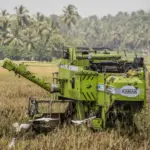
In the heart of rural landscapes, where golden fields sway under the sun and the rhythm of agrarian life unfolds with each season, a quiet revolution is taking root. Small rice mills, frequently enough overshadowed by their larger counterparts, are emerging as pivotal players in local agriculture. These modest yet essential establishments are not merely machines of production; they are catalysts of change that weave together the threads of food security and economic development within their communities. By transforming harvested grains into staple products, small rice mills contribute too the resilience of local food systems and empower farmers by providing them with a reliable outlet for their produce. This article delves into the multifaceted role of small rice mills, exploring how they enhance agricultural practices, bolster local economies, and ultimately contribute to the broader quest for food security in an ever-evolving world.Join us as we uncover the notable impact these seemingly humble entities have on the livelihoods of farmers and the sustenance of communities.
the Heart of Local Agriculture: Understanding the Functionality of Small Rice Mills
The functionality of small rice mills serves as the backbone of local agriculture, playing a pivotal role in enhancing food security and fostering economic development. When exploring the operations of these mills, there are several practical elements to consider that can significantly impact effectiveness and productivity.For instance, before partnering with a local mill, farmers should evaluate the following:
- Quality of Equipment: Inspect the milling machinery’s condition and capacity. Mills with modern equipment frequently enough lead to better milling outcomes, including higher quality rice and fewer broken grains.
- Processing Capacity: Understand the mill’s daily processing capacity to ensure it meets harvesting schedules, especially during peak seasons when time is of the essence.
- Supply Chain Integration: Check how well the mill integrates with local farmers, including sourcing practices and payment terms. Mills that offer fair pricing and timely payments help build trust and sustain local agricultural economies.
Additionally, common pitfalls often arise in the operational aspects of small rice mills. Poor communication between mill operators and farmers can lead to mistrust and inefficiencies.It’s essential to establish clear guidelines about expectations—like processing times and quality control. Consider utilizing technologies such as mobile apps for tracking grain quality or processing stages to streamline operations. Here’s a brief table illustrating key factors to monitor:
| Factor | Best Practise |
|---|---|
| Mill Maintenance | schedule regular checks to prevent breakdowns. |
| Energy Efficiency | Invest in energy-efficient machinery to reduce operational costs. |
| Local Partnerships | Collaborate with local cooperatives for better bargaining power. |
By focusing on these specific considerations and adopting a proactive approach,stakeholders can enhance the functionality of small rice mills,ensuring they contribute effectively to local agricultural sustainability and economic growth.

Empowering Farmers: The Economic Advantages of Local Rice Milling Operations
Local rice milling operations create an empowering economic surroundings for farmers, enabling them to retain more income from their harvest.When farmers mill their own rice, they eliminate middlemen profits that typically eat into their earnings. here are specific actions farmers can take to leverage local milling:
- Collaborate with nearby mills to negotiate favorable pricing for milling services.
- Invest in community-owned milling facilities to split operational costs and increase profit margins.
- Seek training in rice milling operations to improve efficiency and reduce wastage.
- Monitor the quality of the milled rice to ensure it meets market standards—this can enhance their brand and allow for premium pricing.
However, it is essential to be cognizant of possible pitfalls. Farmers frequently enough underestimate the cost of energy and maintenance associated with owning milling machines. To avoid this,it’s crucial to conduct a cost-benefit analysis before starting a milling operation. Here’s a comparative look at two scenarios:
| Scenario | Estimated Annual Costs | Potential Annual Revenue |
|---|---|---|
| Individual Milling Operation | $5,000 | $8,000 |
| Community Milling Cooperative | $15,000 | $25,000 |
The cooperatives, while initially seeming more expensive, frequently enough lead to greater revenue due to shared resources and broader market access. Farmers should consider joining or forming cooperatives to make smarter choices regarding milling operations—this collaboration not only distributes costs but also fosters a stronger bargaining position when selling their rice.Prioritize working with mills that are equipped to handle quality checks and branding opportunities, as they can further enhance market competitiveness.
Bridging the Food Security Gap: How Small Rice mills Contribute to Community Resilience
Small rice mills play a pivotal role in enhancing food security and establishing resilience within communities. To maximize the impact of these mills,local stakeholders should consider the following actionable steps:
- Conduct a community needs assessment: Understand local consumption patterns,demand for rice,and seasonal fluctuations. This data helps tailor the mill’s output to meet specific community needs.
- Focus on quality control: Implement strict quality standards to ensure rice produced is both nutritious and appealing. Poor quality can drive customers to larger mills or choice staples.
- Encourage local partnerships: Collaborate with farmers, cooperatives, and NGOs to create a strong supply chain that not only supports the mill but also benefits the local agricultural economy.
- Explore diversifying product offerings: Consider producing rice bran oil or fortified rice products to meet a wider array of nutritional needs and create additional revenue streams.
However, challenges often arise, such as inadequate infrastructure or lack of technical skills among operators. To mitigate these issues, stakeholders should:
- Invest in training programs: Equip mill operators with skills in modern milling technology and maintenance practices to enhance efficiency and reduce downtime.
- Evaluate the pricing model: Establish fair pricing for both farmers and consumers to ensure mutual benefits and sustainability. Conduct surveys periodically to gauge community satisfaction and adjust prices accordingly.
- Monitor environmental impacts: Implement eco-kind practices, such as waste recycling and energy-efficient milling, to promote sustainability and attract environmentally conscious consumers.
Cultivating Sustainable Growth: Recommendations for enhancing the Impact of Small Rice Mills
To cultivate sustainable growth in small rice mills,stakeholders must focus on improving operational efficiency and establishing strong supply chains. start by assessing the mill’s processing capacity and identifying bottlenecks or inefficiencies. Key performance indicators (KPIs) to evaluate include:
- Turnaround time: Measure how long it takes for paddy to be processed into rice.
- Yield rates: Track the amount of rice produced versus the amount of paddy processed.
- Energy consumption: Analyse utility expenses to identify areas for improvement.
Implementing technology such as improved milling machines can greatly enhance efficiency and reduce energy costs. Regular maintenance schedules should also be established to prevent unexpected downtimes. Additionally, consider collaborating with local agricultural cooperatives to create a reliable supply chain. This collaboration can optimize procurement processes, mitigate price fluctuations, and ensure that quality rice reaches local markets regularly. It’s essential to check current sourcing methods; they often lead to inconsistencies in supply and quality. Encourage clarity in transactions and explore bulk purchasing agreements to secure better pricing.For example, if a mill owner establishes a partnership with local farmers to source paddy directly, they can not only guarantee supply but also control quality and pricing.
| Action | Outcome |
|---|---|
| Implement maintenance schedules | Reduced downtimes |
| Partner with local farmers | Stable supply chain |
In Retrospect
small rice mills stand as silent yet powerful pillars within the landscape of local agriculture. Their role extends far beyond mere processing; they embody the nexus between food security and economic resilience. By empowering farmers, enhancing productivity, and fostering local economies, these small-scale operations contribute significantly to the sustainability of communities.
As we look to the future, it is indeed vital to recognise and support the pivotal role these mills play in combating food insecurity and bolstering economic development. Investing in technology, training, and infrastructure can amplify their impact, allowing them to adapt to the evolving challenges of a globalized market.
Ultimately, small rice mills are more than just businesses; they are integral to nurturing the health and prosperity of rural communities. By valuing and promoting these essential players in agriculture, we can ensure a more secure and sustainable future for all. The journey of understanding the full scope of their influence is ongoing, and as we explore further, we unveil the potential for transformative change within the agricultural sector—one grain at a time.