In a world where the demand for food production increases daily, the need for efficient and lasting agricultural practices has never been more pressing.Among the staples that drive economies and nourish communities, rice holds a pivotal role, especially in regions where small-scale farming is the backbone of local economies. Enter the mini rice milling machine—a game-changing innovation poised to transform the landscape of small-scale rice production. These compact yet powerful machines are revolutionizing how farmers process their harvest, enhancing efficiency, improving quality, and reducing waste. In this article, we will explore the multifaceted benefits of mini rice milling machines and how they empower smallholder farmers to unlock new levels of productivity and sustainability in their operations. Join us as we delve into the remarkable ways these machines are not just altering the milling process, but also reshaping the future of rice production altogether.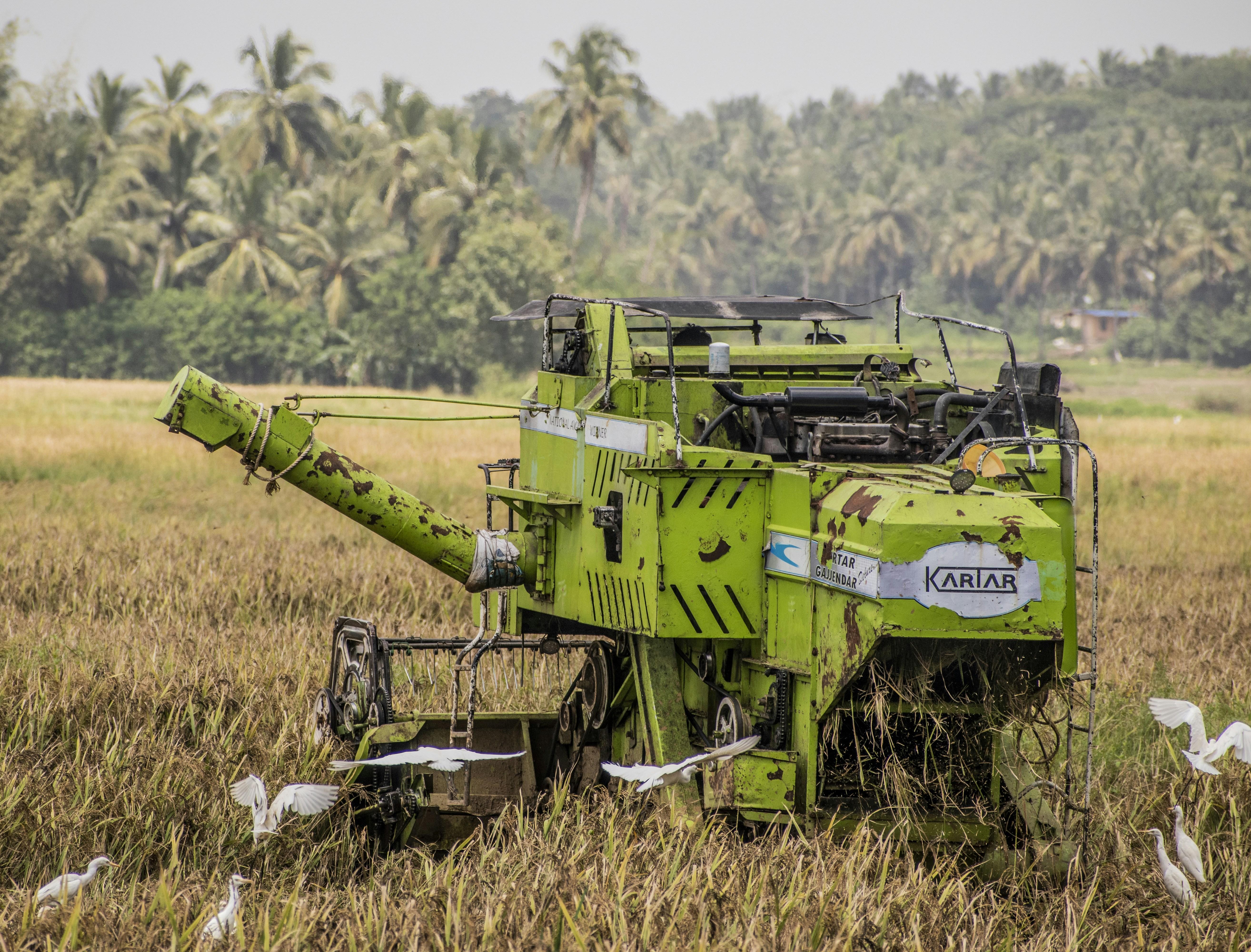
Understanding Mini Rice Milling Machines and their Role in Small-Scale Agriculture
Mini rice milling machines are compact, efficient units designed to process small quantities of rice, making them an indispensable asset for small-scale farmers. These machines typically feature a combination of hulling, milling, and polishing functions in one unit, which allows farmers to produce high-quality rice with minimal investment. Among their prominent benefits are:
- Cost-effectiveness: Mini rice milling machines are generally more affordable compared to larger industrial models, making them accessible to smallholder farmers.
- Ease of use: Designed for simplicity, these machines can be operated by individuals with minimal training.
- Space-efficient: Their compact size means they can fit into small farming operations, helping to maximize limited space.
- Quality Control: By processing their rice directly, farmers can ensure better quality control and customization of the final product.
Despite the numerous advantages, potential users must also consider some challenges. As a notable exmaple, the initial set-up and maintenance can require some technical know-how. Additionally, the output of mini rice milling machines is relatively low compared to larger counterparts, which may not meet the demands of farmers with larger harvests. To facilitate effective adoption, it’s essential to conduct comparative studies among different models, focusing on aspects such as energy efficiency, throughput rates, and user reviews. Farmers are encouraged to choose machines from reputable brands with strong after-sales support to ensure they have access to assistance when needed. mini rice milling machines play a vital role in improving productivity and profitability in small-scale agriculture, empowering farmers to take charge of their milling processes and enhance their livelihoods.
key Advantages of Using Mini Rice Milling Machines for Local farmers
Mini rice milling machines present several key advantages for local farmers, considerably enhancing the efficiency and quality of rice production. These compact machines allow smallholders to process their rice on-site, reducing dependency on centralized milling services and the associated costs of transportation.By seamlessly integrating milling into the production process, farmers can achieve greater control over rice quality, ensuring that they maximize the nutritional value and market appeal of their harvests. Some notable benefits include:
- Cost-Effectiveness: Mini rice milling machines are generally more affordable than large industrial units, making them accessible to small-scale farmers. This allows local enterprises to invest in their processing capabilities without incurring excessive debt.
- Time Efficiency: The processing time is significantly reduced when farmers can mill their rice immediately after harvesting. This minimizes the risk of spoilage and maintains the freshness of the grain.
- Adaptability: Farmers can mill rice according to their specific market demands, adjusting settings to produce different grades of rice that meet diverse consumer preferences.
- Reduction of Post-Harvest Losses: On-site milling helps to prevent losses associated with transporting raw rice to distant milling facilities and minimizes delays that can lead to deterioration.
When comparing mini rice milling machines to conventional methods,the benefits become even more pronounced. Traditional milling often requires extensive labor and can be inefficient, leading to a lower yield of edible rice. In contrast, modern mini milling solutions typically offer a higher percentage of milled rice, enhancing profitability. Additionally, many models are designed with user-friendly interfaces, allowing farmers with minimal technical training to operate them effectively. Farmers looking to expand their operations should consider purchasing machines that not onyl meet their current needs but also have the potential for scalability as their business grows. Investing in a mini rice milling machine is not just about improving processing; it is a step towards building a sustainable and resilient agricultural future.
Common Misconceptions About Mini Rice Milling Machines Debunked
Many potential users of mini rice milling machines hold misconceptions that can prevent them from realizing the true benefits of this technology. One prevalent myth is that mini rice milling machines are only suitable for vrey small-scale operations. Though, these machines are designed to accommodate a range of processing capacities, making them ideal not only for individual farmers but also for cooperatives and community-based projects. Many models can efficiently process several hundred kilograms of rice per hour, making them a viable option for small to medium enterprises aiming to enhance local production capabilities.
Another common misconception is that mini rice milling machines are complex and challenging to operate, which deters many from investing in them. in reality, most modern mini rice mills are user-friendly and designed with simplicity in mind. They frequently enough come equipped with intuitive controls and user manuals that facilitate ease of use.Moreover, they require minimal maintenance, making them accessible even for those without extensive technical knowledge. Many manufacturers provide training resources and customer support to ensure users can maximize the machine’s potential.Consider the following aspects when evaluating mini rice milling machines:
- Ease of maintenance: Look for machines that offer easy access to components for cleaning and upkeep.
- Support and Training: Prioritize brands that offer complete training and ongoing support.
- Efficiency: Compare production rates and energy consumption across different models to find the best fit for your needs.
Choosing the Right Mini Rice Milling Machine: Essential Factors to Consider
When choosing a mini rice milling machine, it’s crucial to consider several factors to ensure you select the right model for your needs.Key aspects to evaluate include the capacity of the machine,which typically ranges from 100 kg to 1,000 kg of rice per hour. If you expect high production needs, opt for a machine with a larger capacity. Additionally,consider the degree of milling; some models offer adjustable settings to achieve different levels of husking and whitening,allowing for customization based on your market preferences. You should also examine the power requirements, as a machine that is too powerful for your electrical supply may lead to inefficiencies or increased costs.
Another critically important factor is the maintenance and support offered by the manufacturer. reliable after-sale support can significantly reduce downtime in case of malfunction, which is critical for maintaining continuous production.Look for machines with spare parts easily available in your region. Also, evaluate portability if you have limited space or plan to move the unit frequently.Below is a speedy comparison table to help outline these crucial features:
| Feature | considerations |
|---|---|
| Capacity | 100 kg to 1,000 kg/hr |
| Degree of Milling | Adjustable settings required |
| Power Requirements | Ensure compatibility with local supply |
| Maintenance Support | Availability of parts and service |
| Portability | Size and weight for your space |
Understanding these elements will not only streamline your selection process but also enhance your operational efficiency,ensuring that your investment in a mini rice milling machine yields the desired benefits.
Wrapping Up
mini rice milling machines represent a transformative solution for small-scale rice production, marrying efficiency with accessibility. As we’ve explored, these compact powerhouses not only enhance the quality of the final product but also empower local farmers by reducing post-harvest losses and increasing profitability. By embracing technology that fits their needs,small-scale producers can unlock the full potential of their harvests,driving both personal success and community growth. As the rice industry continues to evolve, investing in mini milling technology could be the key to a sustainable and prosperous future for rural economies. So,whether you’re a farmer looking to improve your operations or a stakeholder interested in promoting agricultural advancements,it’s clear that the benefits of mini rice milling machines are too notable to overlook. Transforming rice production is not just about the machinery; it’s about nurturing a vision for a thriving agricultural community.