
In the intricate tapestry of our global food supply chain, few threads are as crucial yet frequently enough overlooked as rice mills. These bustling hubs of activity serve as the nexus between the fields of golden grain and the dining tables of millions around the world. With rice being a staple food for more than half of the planet’s population, the importance of rice mills extends far beyond mere grain processing; they are pivotal in transforming raw harvests into the polished grains that nourish communities and fuel economies.This article delves into the inner workings of rice mills, exploring their historical backdrop, operational methodologies, and the integral role they play in sustaining not only local populations but also the intricate webs of international trade.Join us as we unravel the layers of one of agriculture’s most vital industries, shedding light on the unsung heroes dedicated to ensuring that rice — a symbol of life and sustenance — reaches every corner of the globe.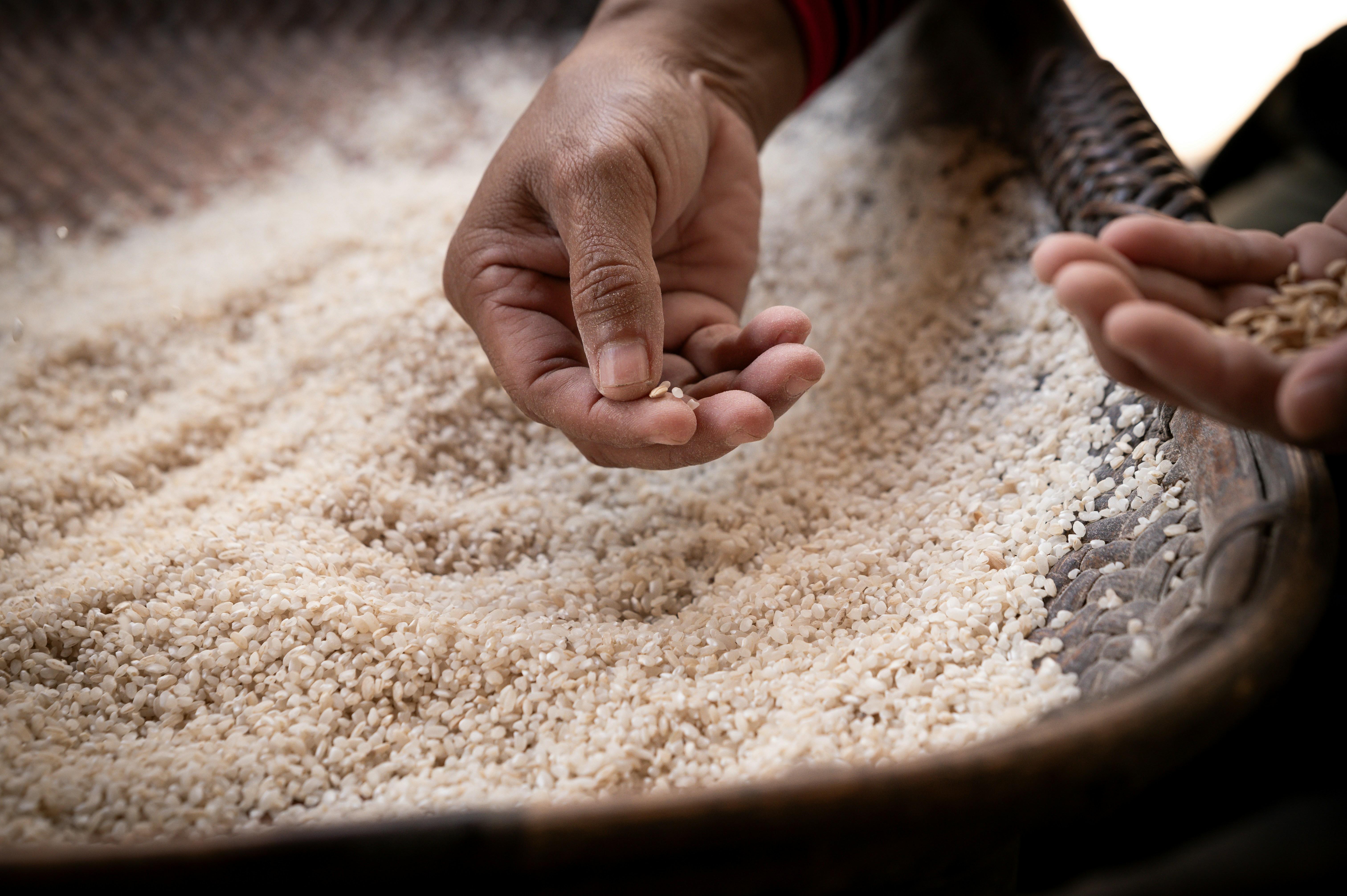
Exploring the Roots of Rice Processing: A Historical Perspective
To understand the evolution of rice processing,it’s essential to assess historical practices that laid the foundation for modern rice mills. Ancient civilizations primarily relied on manual methods, such as pounding rice with wooden mortars or hand-powered pestles. This labor-intensive technique is less efficient, often leading to high grain breakage rates and lower yield. Today’s producers should explore these traditional methods to draw lessons about minimizing waste and optimizing resource use. By incorporating some low-tech solutions into high-tech setups—like using moisture meters borrowed from ancient practices to assess grain quality—you can make better decisions regarding the milling process.
When evaluating historical and current rice processing techniques, consider the following key aspects:
- Quality Control: In earlier times, farmers stored rice in traditional granaries, but pest infestations were common. Invest in modern, pest-resistant storage solutions to avoid issues that plagued ancient storage methods.
- Water Usage: Traditional methods often wasted ample water. Assess modern water recycling systems—and include moisture reclamation strategies—to reduce operational costs and enhance sustainability.
- Technology Integration: Examine how ancient social structures managed labor. Modern mills can implement community-driven workforce strategies to better engagement and efficiency.
| Challenges | Modern Solutions |
|---|---|
| High breakage rates during milling | Invest in precision milling equipment with adjustable parameters. |
| Inconsistent quality due to moisture fluctuations | Utilize advanced moisture control systems for real-time tracking. |
| Pest damage in storage | Adopt hermetic storage methods to ensure grain longevity. |
By examining historical methods and discerning their merits and pitfalls, rice mill operators can identify pathways to improve production efficiency and grain quality. Recognizing these historic lessons can drive operational decisions that cater to both profitability and sustainability in today’s complex food supply chain.
The Machinery Behind the Grain: Examining Rice Mill Operations
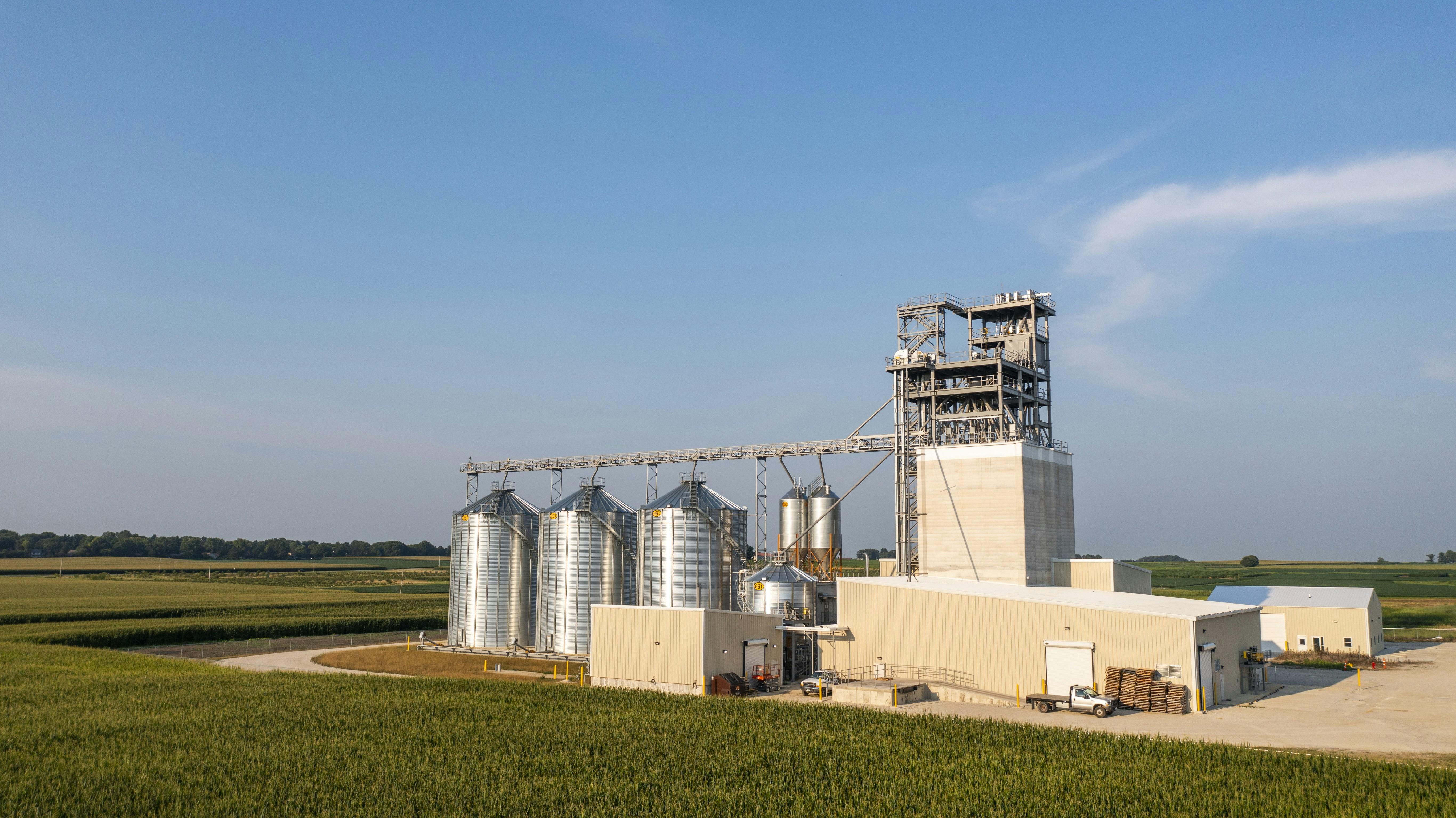
Understanding the machinery behind rice mill operations is crucial for optimizing productivity and ensuring quality.When assessing a rice mill, it is indeed essential to examine key components such as the dehusking machine, whitening machine, and polishing machine. Each unit plays a pivotal role in the milling process, and issues can arise if they are not functioning correctly. For example, a malfunctioning dehusking machine can lead to excessive breakage, which diminishes the overall yield.Before making decisions regarding equipment purchases or upgrades, consider checking the following:
- Operational efficiency: Does the machine operate at full capacity?
- Maintenance records: When was the last service performed?
- Energy consumption: Are there more energy-efficient alternatives?
To mitigate common problems, it can be beneficial to invest in newer technologies or retrofit existing machinery with upgraded components. For instance, a modern whitening machine with better calibration can enhance the quality of the rice while reducing the amount of excess powder created during milling. Prioritize investing in machinery that offers ease of maintenance and lower operational costs. When formulating decisions about machinery, create a comparison table of different options based on:
| Machine Type | Average Price ($) | energy Efficiency (kWh) | Yield Impact (%) |
|---|---|---|---|
| Dehusking machine | 8,000 | 25 | 5 |
| Whitening Machine | 15,000 | 30 | 10 |
| Polishing Machine | 10,000 | 20 | 3 |
By making informed decisions on machinery, you can enhance the efficiency of your rice mill operations while also contributing to improved product quality in the competitive global market.
Sustainability in the Silos: Enhancing Efficiency and Reducing Waste
To enhance sustainability in rice milling operations, stakeholders should focus on optimizing resource use and minimizing waste. Key strategies include:
- Energy Efficiency: Invest in energy-efficient machinery and renewable energy sources. as a notable example, switching to biomass-based energy from rice husks can significantly lower fossil fuel dependence. Conduct an energy audit to identify areas for improvement, focusing on the highest consumption zones.
- Water Management: Implement a water recycling system to reduce consumption. Mills that have adopted closed-loop systems have reported up to a 30% reduction in water usage while maintaining quality.
- Waste Utilization: Establish collaborations with local farmers or companies to utilize by-products. Rice bran and husks can be repurposed as animal feed or used in bioenergy production, reducing disposal costs.
Inquire about your suppliers’ sustainability certifications and practices to make informed choices. Evaluate whether the rice mill employs technologies like sensors and automation to monitor production processes,as these can streamline operations and reduce excess waste. Common pitfalls include neglecting regular maintenance schedules, which can lead to unexpected breakdowns and inefficiencies. To prevent this, create a planned maintenance checklist that includes routine checks on machines, as well as auditing the waste generated during the milling process for potential recycling opportunities.
Connecting the Dots: Rice Mills as Vital Links in the Global Food Network
Rice mills play a pivotal role in the global food network, serving as the critical link between paddy producers and end consumers. For those involved in sourcing or distributing rice, it’s crucial to understand the operational intricacies of these mills. Here are some practical steps to ensure you select the right mill partners and optimize your supply chain:
- Evaluate Quality Control Processes: Inspect the rice mill’s cleaning and quality assurance protocols.Mills that utilize modern techniques, such as infrared sorting systems, can significantly reduce contamination and enhance product quality.
- Check Production Capacity: Understanding a mill’s capacity in relation to your demand is essential. A mill processing 10 tons of output per hour might potentially be suitable for large operations, while smaller producers might benefit from local mills with more flexible production schedules.
- Assess Logistics: Consider the proximity of rice mills to both paddy sources and distribution networks. Mills that are strategically located can minimize transportation costs and reduce the risk of delays.
- Be Aware of Seasonal Variability: Rice supply can fluctuate based on harvest seasons. build relationships with multiple mills to guard against shortages during peak demand periods, and consider utilizing contracts that allow for flexible delivery throughout the year.
Several common pitfalls can undermine effective operation within the rice supply chain. For instance, neglecting to evaluate the mill’s processing methods can lead to inconsistent product quality, which may ultimately affect customer satisfaction. To mitigate these risks, consider the following best practices:
| Pitfall | Best Practice |
|---|---|
| Inadequate supplier vetting | Conduct thorough audits and quality checks before establishing partnerships. |
| Overreliance on single suppliers | Diversify your supplier base to improve adaptability. |
| Failure to monitor production trends | Regularly analyze and adjust supply strategies based on market shifts. |
By actively managing supplier relationships,maintaining clear dialog channels,and adapting strategies based on market demand,you are more likely to create a resilient and efficient rice supply chain. Emphasizing these operational elements will ensure that your business remains competitive in the ever-evolving global food landscape.
Wrapping Up
rice mills stand as silent yet formidable giants in the intricate tapestry of the global food supply chain. From their humble beginnings rooted in centuries-old traditions to the advanced operations of today, they embody the marriage of agriculture and technology. Understanding the multifaceted roles rice mills play—transforming paddy to polished grains and ensuring quality and efficiency—illuminates their vital contribution to food security and economic stability worldwide. As we continue to navigate the challenges of a growing global population, the evolution of rice milling processes will undoubtedly be a cornerstone in addressing future needs. Whether through innovative practices, sustainability initiatives, or expanding market connections, these mills serve not just as a link in the chain but as a catalyst for progress in the realm of food production. As we reflect on their significance, let us appreciate the artistry and science behind rice milling, recognizing its crucial position in nourishing millions of lives across the globe.



