
In a world where culinary experiences can ignite our senses adn transport us too distant lands, one humble grain stands out as a cornerstone of countless cuisines: rice.From fragrant jasmine to hearty arborio, the journey of this staple begins long before it graces our plates. At the heart of this journey are rice mills—facilities that transform raw paddy into the exquisite varieties we enjoy. In this comprehensive guide,we invite you to embark on a voyage of discovery as we delve into the finest rice mills around the globe. Explore the intricate processes that elevate rice quality, understand the artistry behind milling techniques, and learn what sets these mills apart in an industry where tradition meets innovation. whether you’re a culinary enthusiast,a health-conscious eater,or a rice aficionado,this article will serve as your compass in navigating the captivating world of rice production. Join us as we uncover the stories, technologies, and practices that elevate rice from mere grain to a beloved staple on tables everywhere.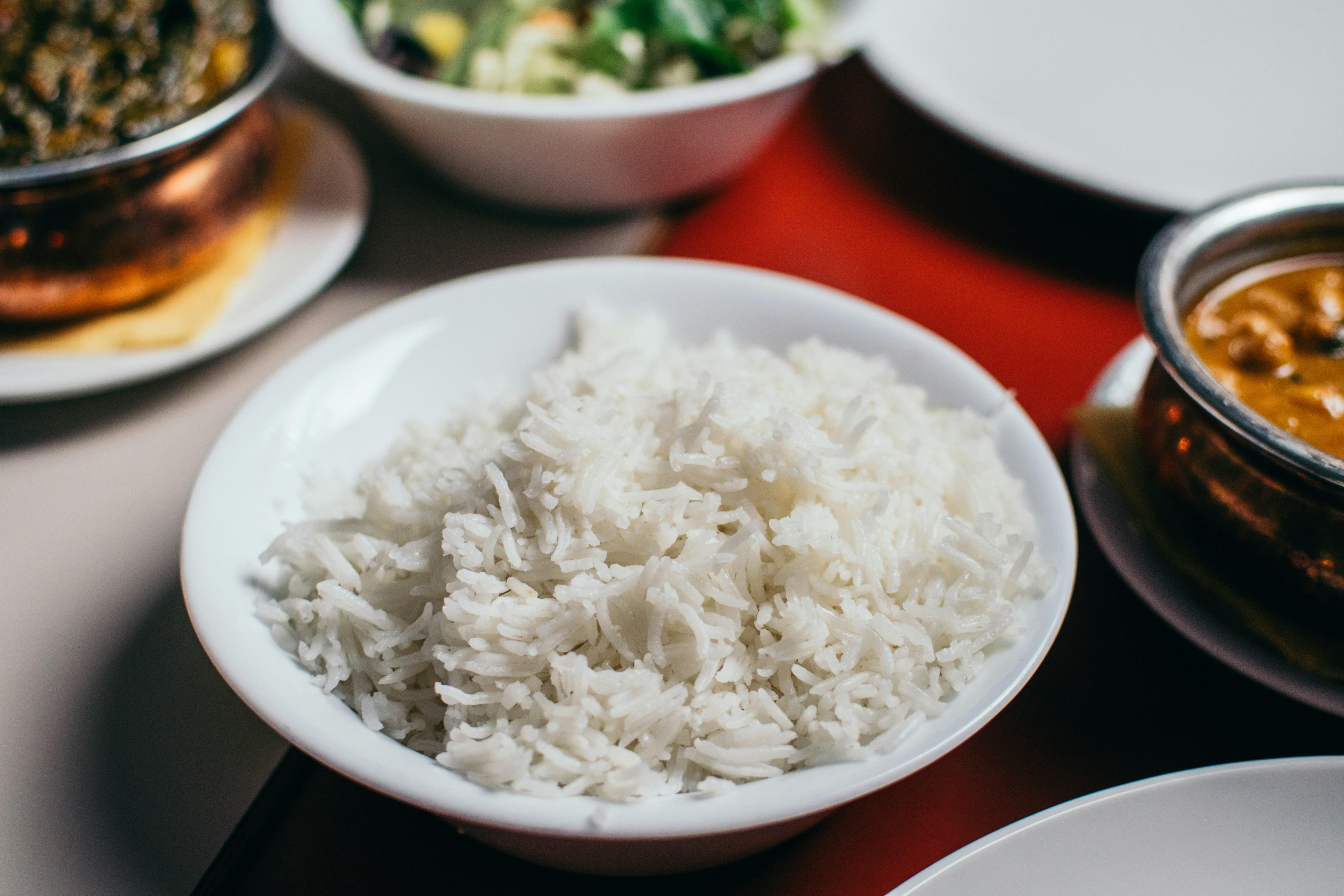
Exploring the Varieties of Rice: Understanding Different Types and Their Cultivation
rice, one of the most consumed staple foods worldwide, comes in a fascinating array of varieties, each with its own unique characteristics.The two primary types of rice are indica and japonica, distinguished by their grain shape, texture, and growing conditions. Indica rice typically features long, slender grains that remain fluffy when cooked, making it popular in dishes like biryani and fried rice. In contrast, japonica rice is shorter and rounder, often sticky and sweet, making it ideal for sushi or rice puddings. Moreover, there are specialty varieties such as arborio, known for its creaminess in risotto, and black rice, revered for its nutritional benefits and striking color.
The cultivation of these diverse rice types requires a deep understanding of regional climates, soil conditions, and agricultural techniques.Traditionally, rice grows in flooded fields, known as paddies, but some varieties thrive in drier, upland conditions. Key factors influencing rice farming include:
- Soil Type: Fertile clay or loamy soils promote better water retention.
- Climate: Tropical and subtropical regions are optimal for year-round cultivation.
- Water Management: Effective irrigation systems, whether traditional or modern, are essential.
Farmers frequently enough rotate their crops to improve soil health and manage pests, while recent advances in biotechnology have introduced hybrids that are more resistant to disease and adverse weather conditions, ensuring a enduring future for rice cultivation.
unveiling the Process: A Deep Dive into Rice Milling Techniques and Technologies
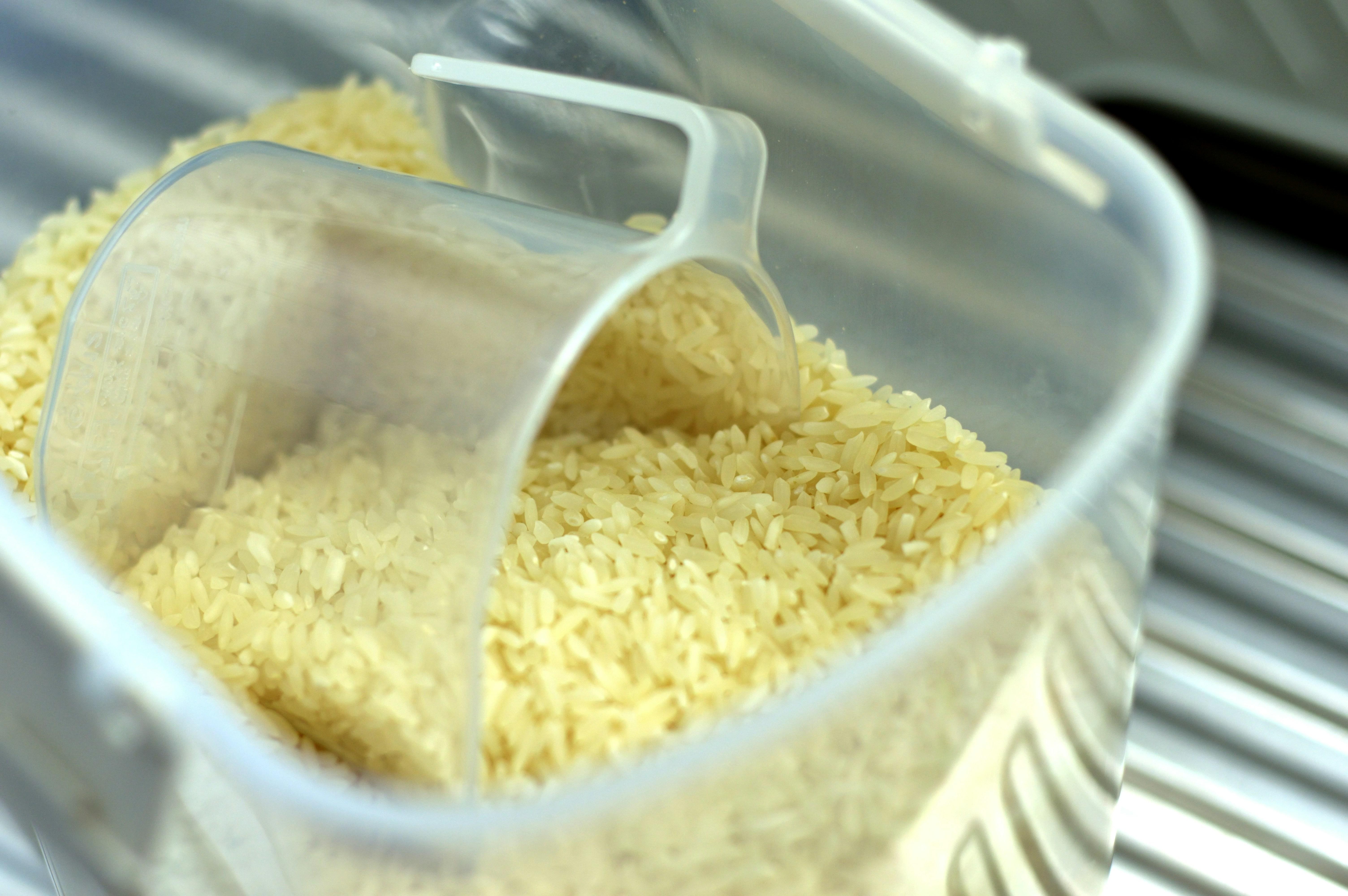
The journey from paddy to polished rice is a fascinating tapestry of techniques that elevate grains into culinary treasures. Rice milling, an intricate process, orchestrates the transformation of harvested paddy into the white pearl we often use in various dishes. At its core, the process involves a series of steps including cleaning, husking, milling, and polishing, each playing a critical role in ensuring the quality of the final product.
Modern technologies have propelled rice milling into a new era, with innovations improving efficiency and minimizing waste.Key methods such as modern milling systems, stone milling, and parboiling each have distinct advantages. While traditional stone milling preserves nutrient value, modern systems optimize production speed and consistency. Furthermore, environmental sustainability has led to the adoption of solar drying and biomass energy, integrating eco-friendly practices in rice processing. Here’s a glance at the essential milling techniques used today:
| Technique | Advantages |
|---|---|
| Modern Milling Systems | High speed and consistency |
| Stone Milling | Preserves flavor and nutrients |
| Parboiling | Enhances texture and nutritional value |
| Solar drying | Eco-friendly and energy-efficient |
| Biomass Energy | Reduces carbon footprint |
Top Rice Mills Around the World: A Curated List of Industry Leaders and Innovators
In the realm of rice milling, some names stand out as leaders and innovators, setting benchmarks in quality, efficiency, and sustainability. Below are a few notable rice mills that have made meaningful contributions to the industry:
- Olam International – Known for its technological advancements, Olam is committed to reducing food waste and promoting sustainability in rice production.
- Thai Rice Exporters Association - A key player in the global market,their commitment to maintaining high standards ensures the finest quality Thai rice reaches consumers worldwide.
- SunRice – Hailing from Australia, SunRice embodies innovation with a focus on premium processing techniques and a diverse product range.
- BPI Rice Mills – Renowned for their dedication to local farmers, BPI combines traditional practices with modern machinery to produce high-quality rice.
| Mill Name | Country | Specialization |
|---|---|---|
| olam International | Singapore | Technology & Sustainability |
| Thai Rice exporters Association | Thailand | Premium Thai Rice |
| SunRice | Australia | Diverse Rice Products |
| BPI Rice Mills | Philippines | Quality & Tradition |
Together, these rice mills exemplify the dynamic nature of the rice milling industry, showcasing a blend of traditional processes and cutting-edge technology. They not only prioritize quality but also contribute to local communities and global food security, making them essential players in the agricultural sector.
Sustainability in Rice Production: How To Choose Eco-Friendly Mills and Practices
When selecting a rice mill, eco-friendly practices are essential for promoting sustainability in rice production. Look for mills that utilize renewable energy sources, such as solar or wind power, to minimize their carbon footprint. Additionally, consider mills that employ water-efficient processing techniques, which help conserve water—a precious resource in rice cultivation. Certifications can also guide your decision; mills that are certified organic or hold Fair Trade credentials frequently enough adhere to stricter environmental standards.
Another crucial aspect to consider is the sourcing of rice. Choosing mills that prioritize locally sourced grains can significantly reduce transportation emissions. Furthermore, investigate if the mill engages in sustainable farming practices, like crop rotation and integrated pest management, which promote soil health and biodiversity. You may also find it helpful to refer to a comparative table that outlines the various eco-friendly practices adopted by different mills:
| Mill Name | Renewable Energy | Water Efficiency | Local Sourcing |
|---|---|---|---|
| Mill A | Yes | Advanced Techniques | 100% Local |
| Mill B | no | Standard Techniques | 70% Local |
| Mill C | Yes | Moderate Techniques | 80% Local |
By keeping these criteria in mind, you can make informed choices that not only benefit your health but also support the environment. In doing so, you contribute to a more sustainable future while enjoying the highest quality rice from mills that care about both the planet and their products.
In Summary
As we conclude our exploration of the intricate world of rice mills, it’s clear that the journey to uncovering the finest facilities is as enriching as the grains they produce. Each mill tells a story,rooted in tradition and innovation,dedicated to delivering the highest quality rice to tables around the globe. Armed with insights into the processes, technologies, and standards that define excellence, you are now equipped to appreciate the nuances of rice production.
Whether you’re a culinary enthusiast seeking the best ingredients, a business professional looking to partner with reputable suppliers, or simply a curious reader, understanding the key factors behind rice milling enhances your connection to this staple food. As you continue your culinary adventures, remember that the journey from mill to meal is filled with craftsmanship and care. Let this guide serve as a foundation for your gratitude of rice, encouraging you to seek out the finest and support the dedicated artisans behind it. May your next bowl be not just a dish, but a celebration of quality and culture. Happy discovering!



