
In the heart of agrarian landscapes, where golden fields sway softly under the embrace of the sun, a transformative revolution is unfolding. The age-old practice of rice cultivation has found a remarkable ally in the burgeoning industry of combined rice mills. As technology intertwines with tradition, these innovative mills are redefining the journey of grain from its humble roots to the bustling marketplace. No longer merely a staple food, rice is being reimagined as a vessel of opportunity, economic growth, and sustainability. In this article, we delve into the rise of combined rice mills, exploring how they are unlocking the rich potential of rice—the grain that feeds billions—and turning it into a veritable currency of progress in the modern world. Join us as we uncover the processes, challenges, and triumphs of this unique convergence of agriculture and technology, and discover how a simple grain is being transformed into gold in the hands of the enterprising.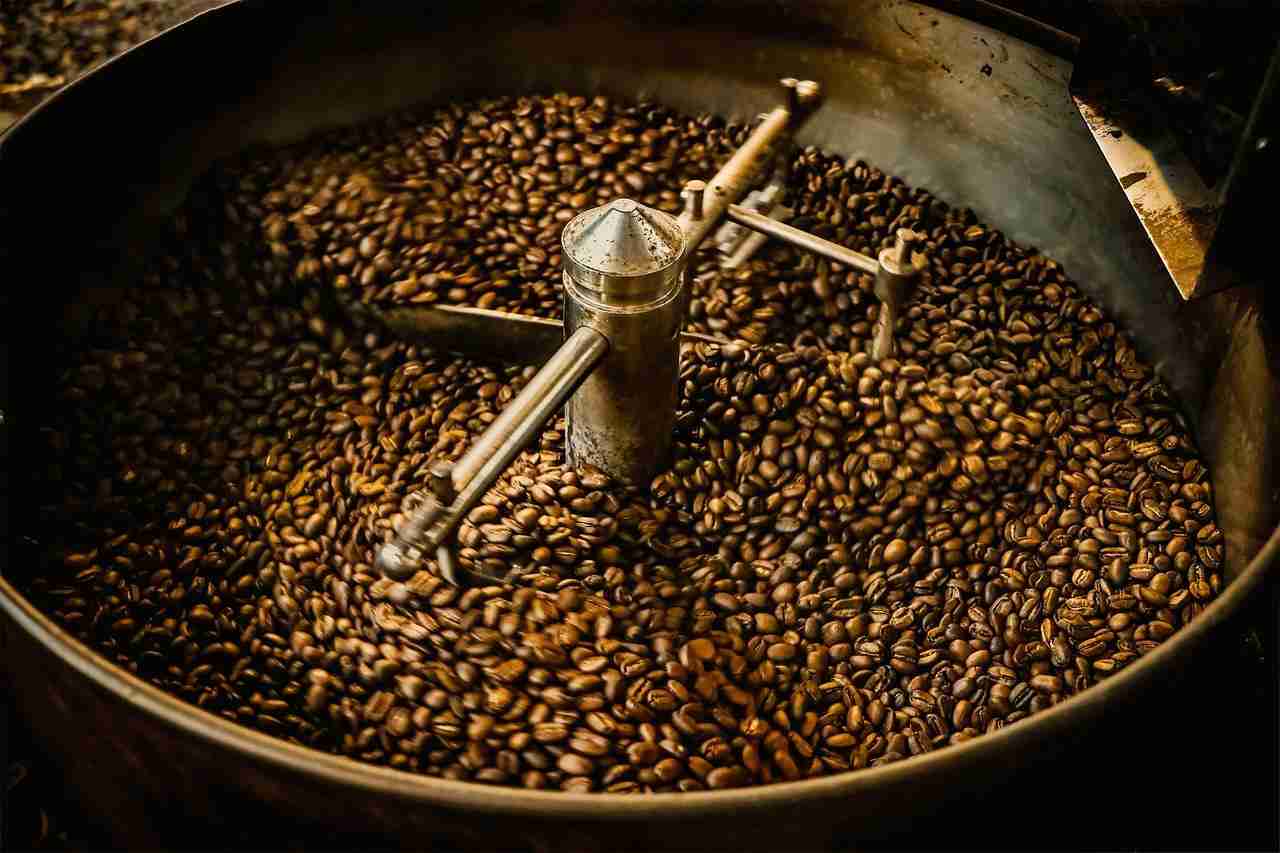
The Shift in Grain Processing Technology
In recent years, the landscape of grain processing has undergone a radical transformation, driven largely by technological advancement. Traditional milling methods have been supplemented or replaced by innovative machinery that streamlines the entire process. Combined rice mills, for example, are at the forefront of this revolution, integrating multiple functions into a single unit. This not only enhances efficiency but also reduces labor costs and waste. Key features of these modern systems include:
- Automation: Ensuring that each stage of processing is consistently accurate and efficient.
- Energy Efficiency: Utilizing advanced technologies to minimize energy consumption throughout the milling process.
- Quality Control: Implementing state-of-the-art sensors that monitor grain quality in real-time, guaranteeing premium output.
- Space-Saving Designs: Compact models that fit into smaller processing areas without compromising functionality.
This shift is not merely about improving output; it’s about rethinking how grain is processed to meet the needs of an ever-growing global population. The integration of smart technology in combined rice mills allows for greater flexibility and adaptability, enabling mill operators to respond swiftly to changes in market demand. Moreover, it fosters sustainability by promoting practices that lessen environmental impact. To illustrate the advantages of this modern processing approach, consider the following comparison:
| Aspect | Traditional Milling | Combined Rice Mills |
|---|---|---|
| Initial Setup Cost | Higher | Lower due to integrated functions |
| Energy Consumption | High | Significantly Reduced |
| Processing Time | Longer | Faster due to automation |
| Waste Generation | Higher | Minimized through efficiency |
Ultimately, the rise of these advanced milling technologies signifies a proactive approach to food security, allowing businesses to turn grain into value-added products that cater to consumer needs while enhancing profitability.

Maximizing Efficiency Through Automation
The integration of automation in combined rice mills is reshaping the landscape of grain processing, leading to remarkable gains in productivity and quality. By deploying advanced machinery and software, mills can now streamline operations that once required extensive manual labor, significantly reducing turnaround times. Key benefits of this transformation include:
- Enhanced Precision: Automated systems ensure consistent grain quality and reduce the likelihood of human error.
- Increased Output: High-speed processing machines can handle larger volumes of rice with minimal downtime.
- Cost Efficiency: Reduced labor costs and waste lead to greater profitability and sustainable practices.
Furthermore, data analytics integrated into these automated systems offer valuable insights that empower mill operators to make informed decisions. By monitoring every stage of the milling process, operators can identify bottlenecks and optimize workflows. The implementation of IoT technology allows for real-time tracking, ensuring that resources are utilized efficiently. Below is a snapshot of the key performance indicators:
| KPI | Before Automation | After Automation |
|---|---|---|
| Processing Time (hours) | 10 | 5 |
| Labor Costs ($) | 2000 | 1000 |
| Quality Rating (1-10) | 7 | 9 |
Sustainable Practices in Combined Rice Mills
In the quest for efficiency and sustainability, combined rice mills have adopted an array of innovative practices that not only enhance productivity but also minimize environmental impact. These mills utilize energy-efficient machinery, significantly reducing their carbon footprint while maximizing yield. Furthermore, many facilities are incorporating waste management systems that convert by-products into reusable resources. Key sustainable practices include:
- Water Recycling: Implementing systems to reclaim and reuse water in the milling process.
- Biomass Utilization: Using rice husks and other residues as a source of renewable energy.
- Eco-friendly Packaging: Transitioning to biodegradable materials for packaging rice to reduce plastic waste.
Moreover, technological advancements are playing a crucial role in promoting sustainability within these mills. Automated monitoring systems help optimize resource usage, ensuring that everything from energy consumption to grain quality is carefully managed. The importance of stakeholder education cannot be overstated; mills are increasingly conducting workshops and seminars to spread awareness about best practices in sustainable agriculture. One emerging model is the adoption of collaborative farming initiatives, which can be visualized in the table below:
| Collaborative Farming Model | Benefits |
|---|---|
| Farmer Cooperatives | Shared resources, lower costs, improved market access |
| Joint Ventures | Risk sharing, diversification of crops, enhanced expertise |
| Community-Supported Agriculture (CSA) | Direct marketing, stronger community ties, fresh produce |
Market Trends Driving Growth and Innovation
The agricultural landscape is witnessing a profound transformation, driven by a blend of technological advancements and shifting consumer preferences. As combined rice mills rise to prominence, they are responding to market demands for efficiency and sustainability. The increasing focus on health-conscious eating and organic farming is steering producers towards higher quality grains, prompting mills to invest in cutting-edge processing techniques that not only enhance taste but also preserve nutritional value. Key trends contributing to this growth include:
- Automation and AI: Mills are integrating smart technologies to optimize operations, minimize waste, and ensure consistent product quality.
- Consumer Awareness: A surge in demand for ethically sourced and organic rice products is shifting the focus to high-quality grains and responsible processing.
- Eco-Friendly Practices: The industry embraces sustainable methods, from water conservation to eco-friendly packaging, appealing to environmentally conscious consumers.
This evolution is not only enhancing operational efficiencies but also creating a robust platform for innovation. The notable rise in domestic and international markets for specialty rice products is prompting mills to diversify their offerings. Reflecting this shift, here’s a brief overview of some emerging categories in the combined rice milling sector:
| Rice Type | Market Demand Trend | Innovative Product Ideas |
|---|---|---|
| Organic Brown Rice | High | Brown rice snacks; Organic rice flour |
| Wild Rice Blends | Growing | Gourmet rice pilafs; Ready-to-eat blends |
| Heritage Varieties | Emerging | Unique rice products; Educational sampling |
Closing Remarks
As we draw the curtain on our exploration of the burgeoning world of combined rice mills, it’s clear that this innovative approach is more than just a trend in agricultural processing; it’s a transformative force redefining the landscape of the rice industry. By streamlining operations and maximizing efficiency, these mills are not only turning grain into gold but also cultivating prosperity for farmers, communities, and consumers alike.
As technology intertwines with tradition, the potential benefits ripple far beyond the fields—enhancing food security, fostering sustainable practices, and creating economic opportunities in regions where rice is a staple. The rise of combined rice mills signals a new era, one where ingenuity meets agricultural heritage, paving the way for a future where every grain counts.
Looking ahead, the journey of innovation in food processing continues. With ongoing advancements and heightened awareness of sustainability, we can anticipate further evolution in how we approach grain production and processing. The opportunities are vast, and as the saying goes, the best is yet to come. Let us keep an eye on the horizon and celebrate the brilliant alchemy of agriculture, where simple grains are transformed into the gold that nourishes us all.



